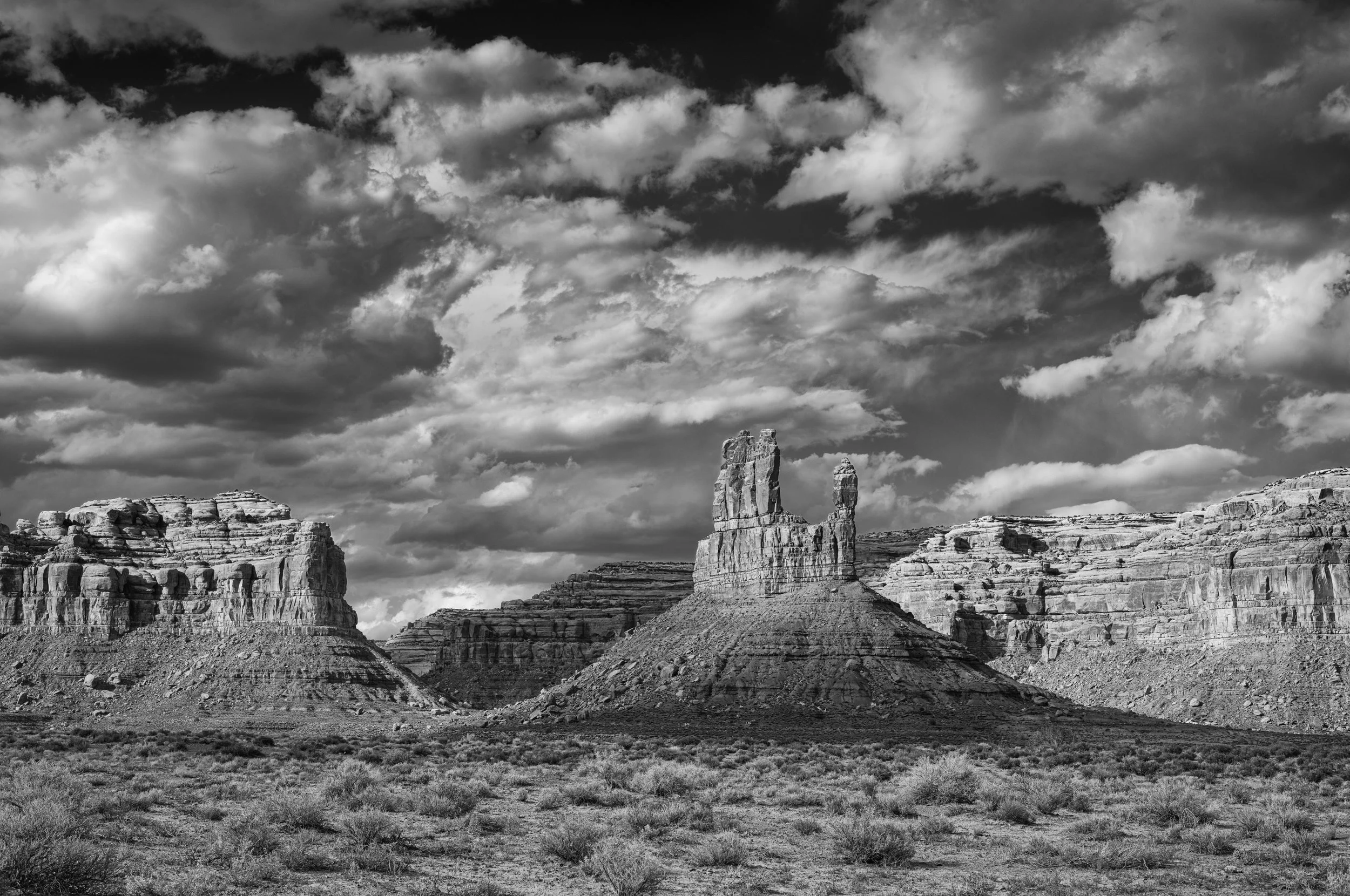
The Western Escape
There was a moment when I wanted to call this gallery The Western Landscape.
But as I thought about my relationship to the region — to these pictures — I realized that while my camera may have captured landscapes, what captured me was something different. It wasn’t the landscape so much as e-scape. Let’s call it The Western Escape.
Growing up in New England, my adult life spent in New York City and Washington, D.C., once I began devoting an increasing number of months each year Out West, I unconsciously began viewing its sublime vistas, those wide skies, and the spaces in between its archipelago of small towns as nothing less than an escape from Back East.
So, see the photographs here as vistas captured in two dimensions by a camera held by an East Coast escapee. Road trips and landscape photography are among the joys of living in the West. They force you ever onward, up early, out late, an escape into the light.
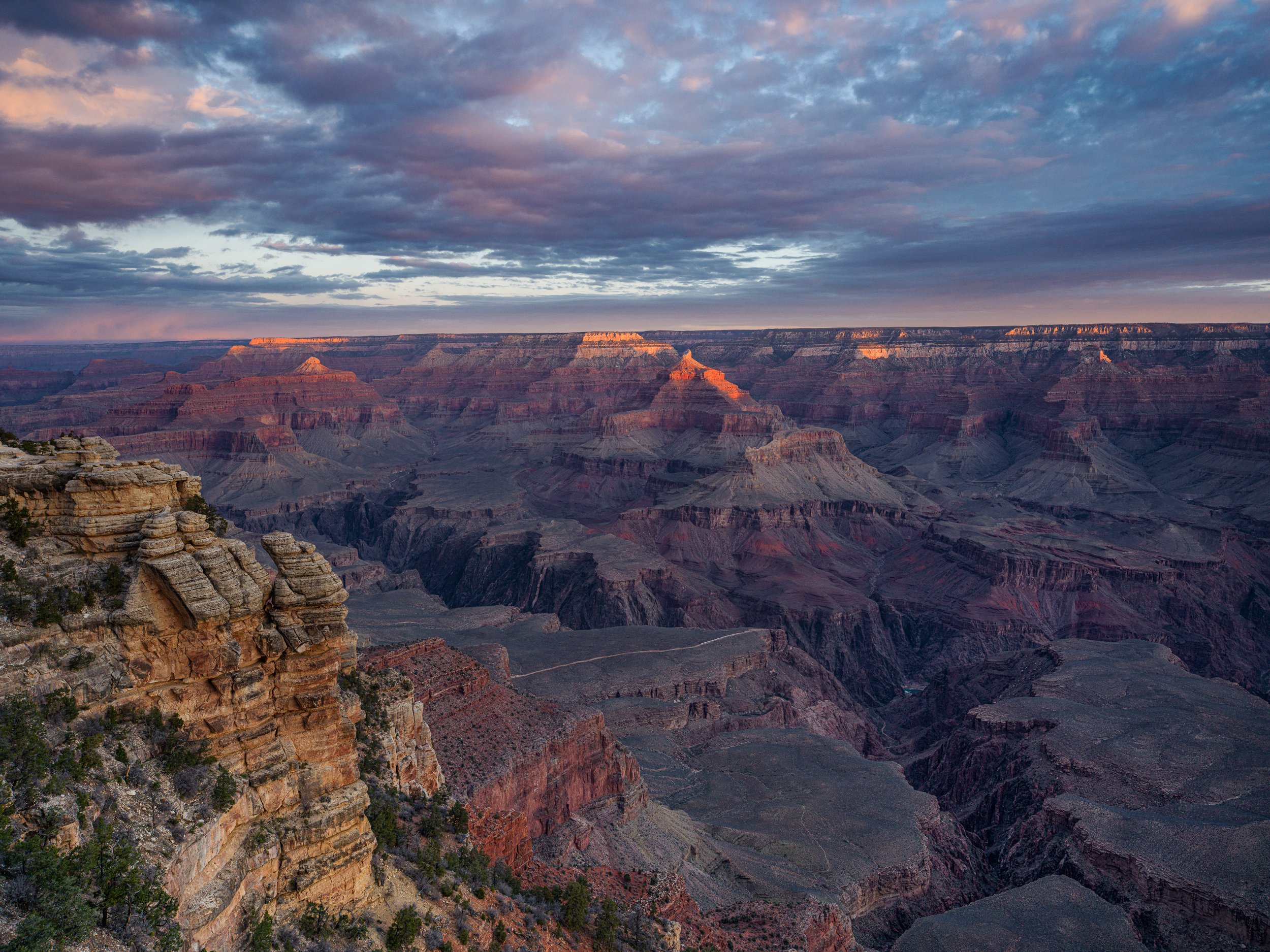
Mather Point, Grand Canyon National Park
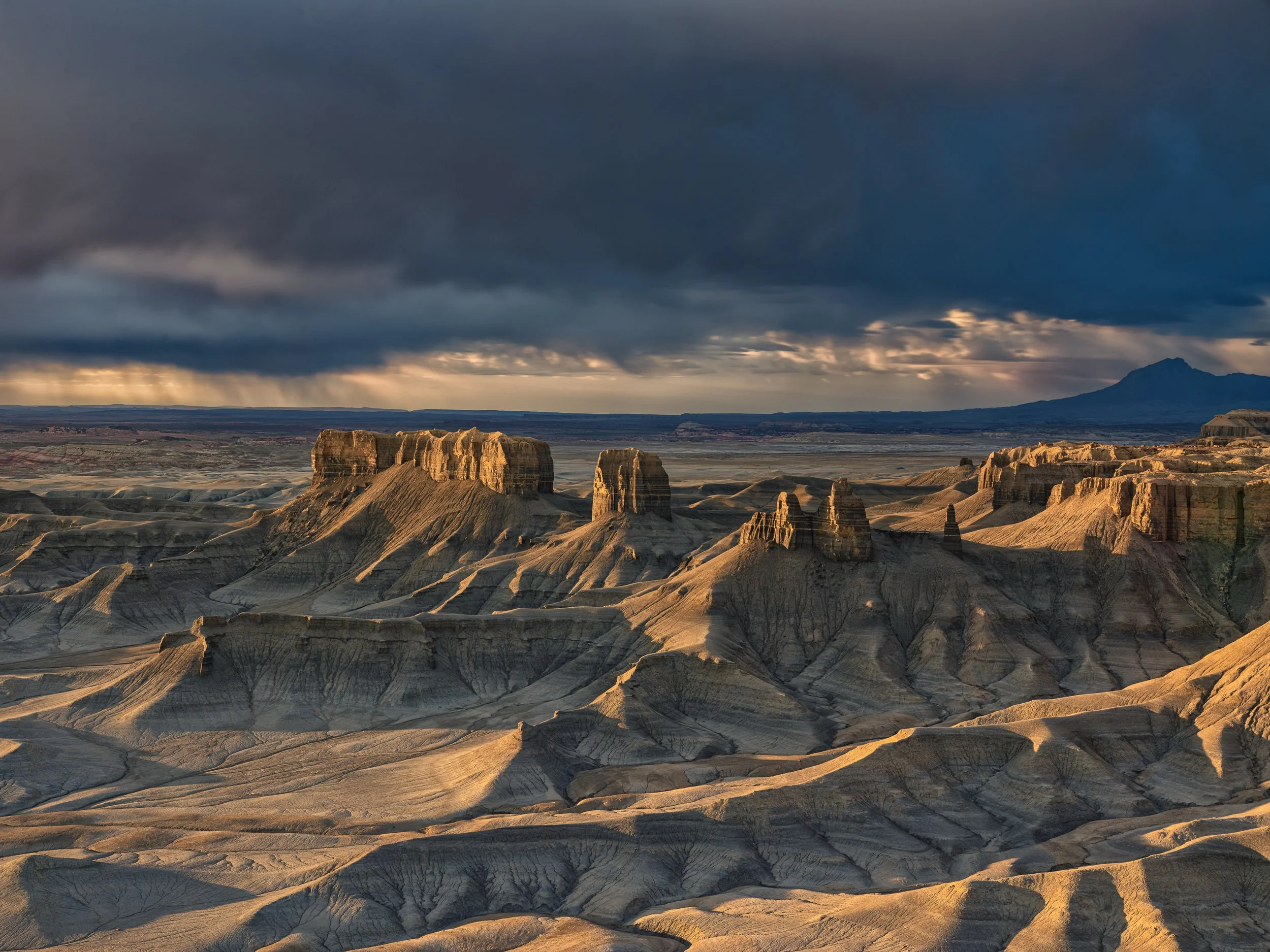
The Overlook, Hanksville, Utah

Cathedral in the Desert, Glen Canyon
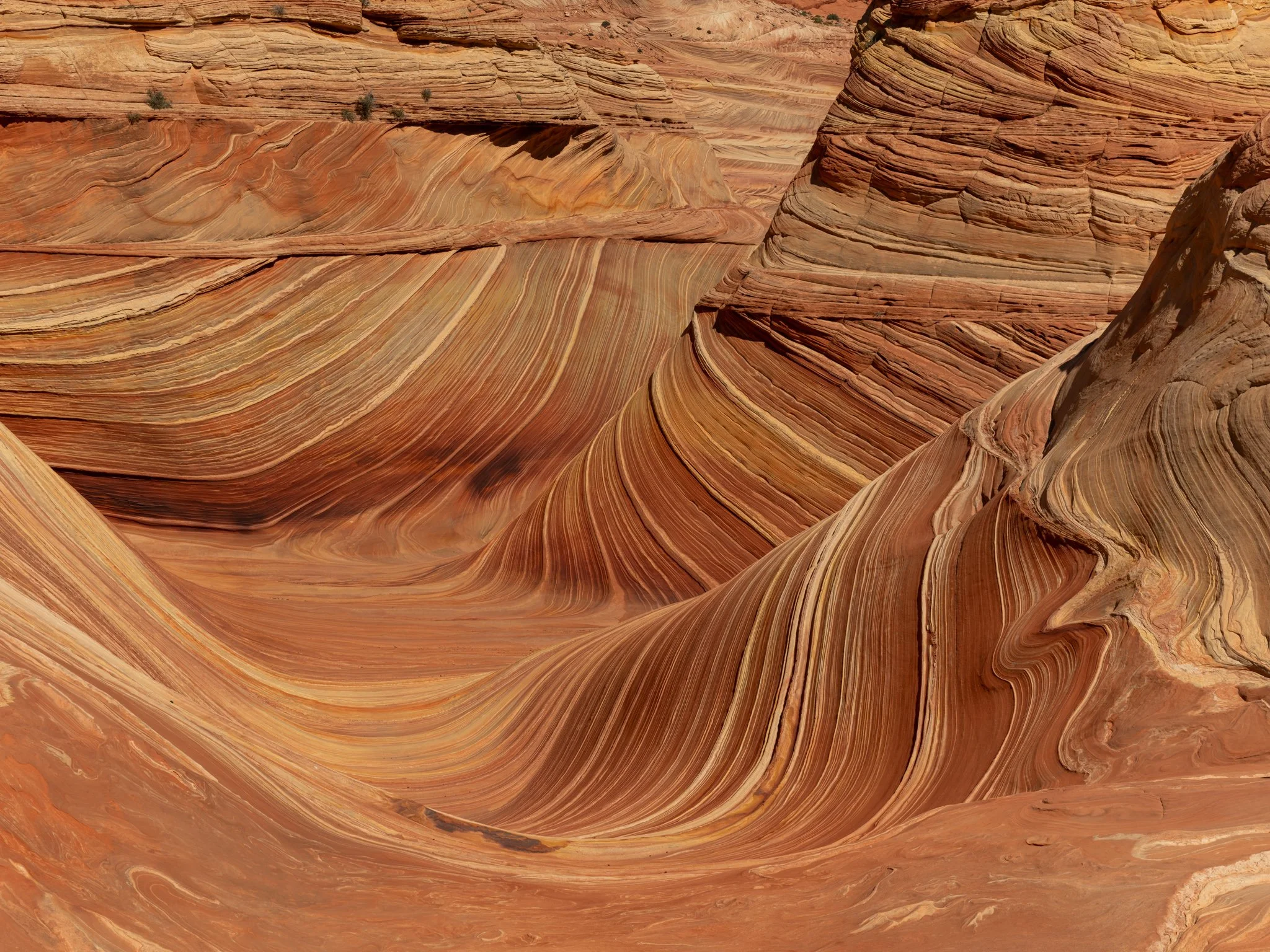
The Wave, Vermillion Cliffs National Monument, AZ

From Muley Point, Above Mexican Hat
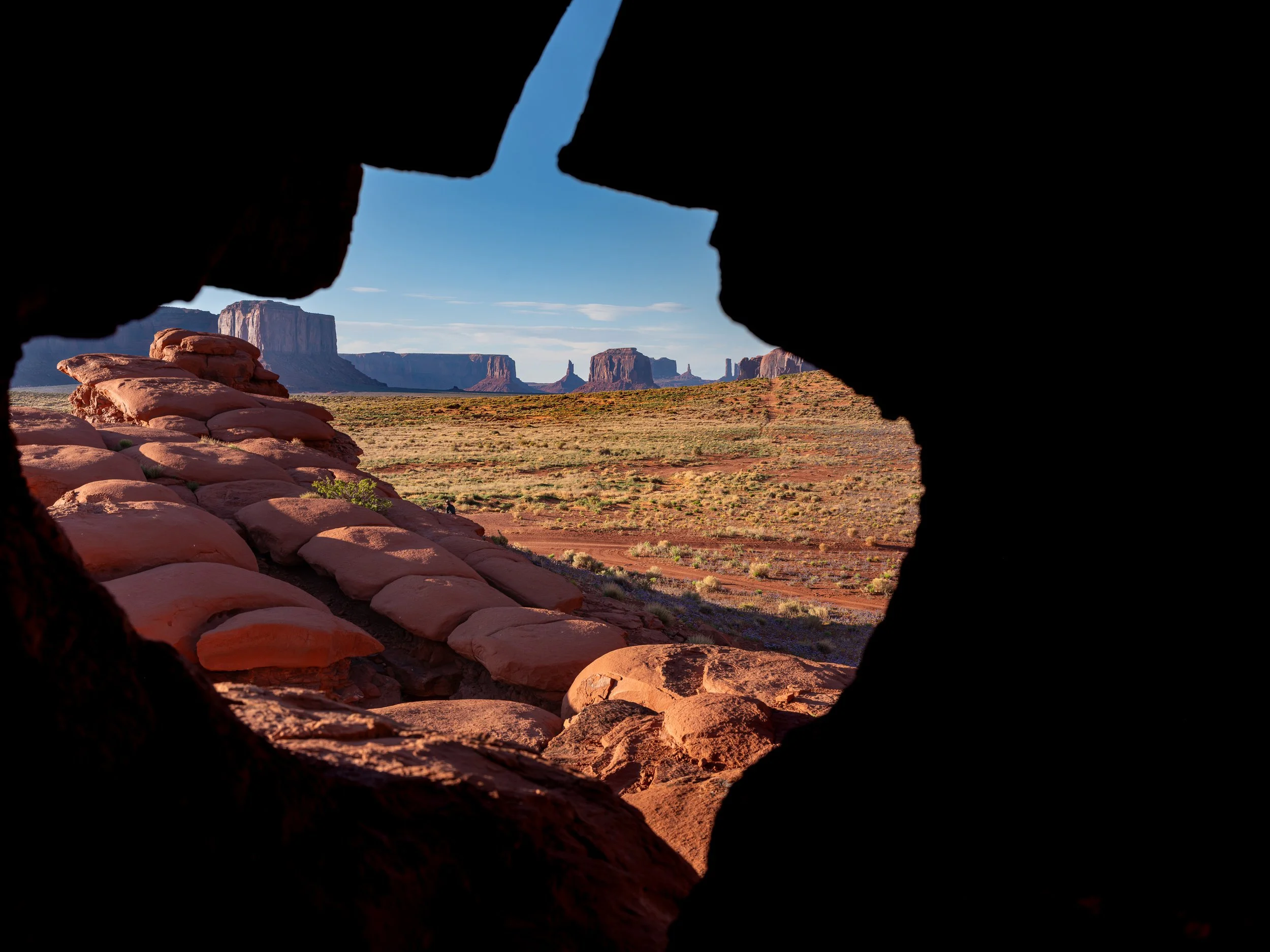
A view of Monument Valley.
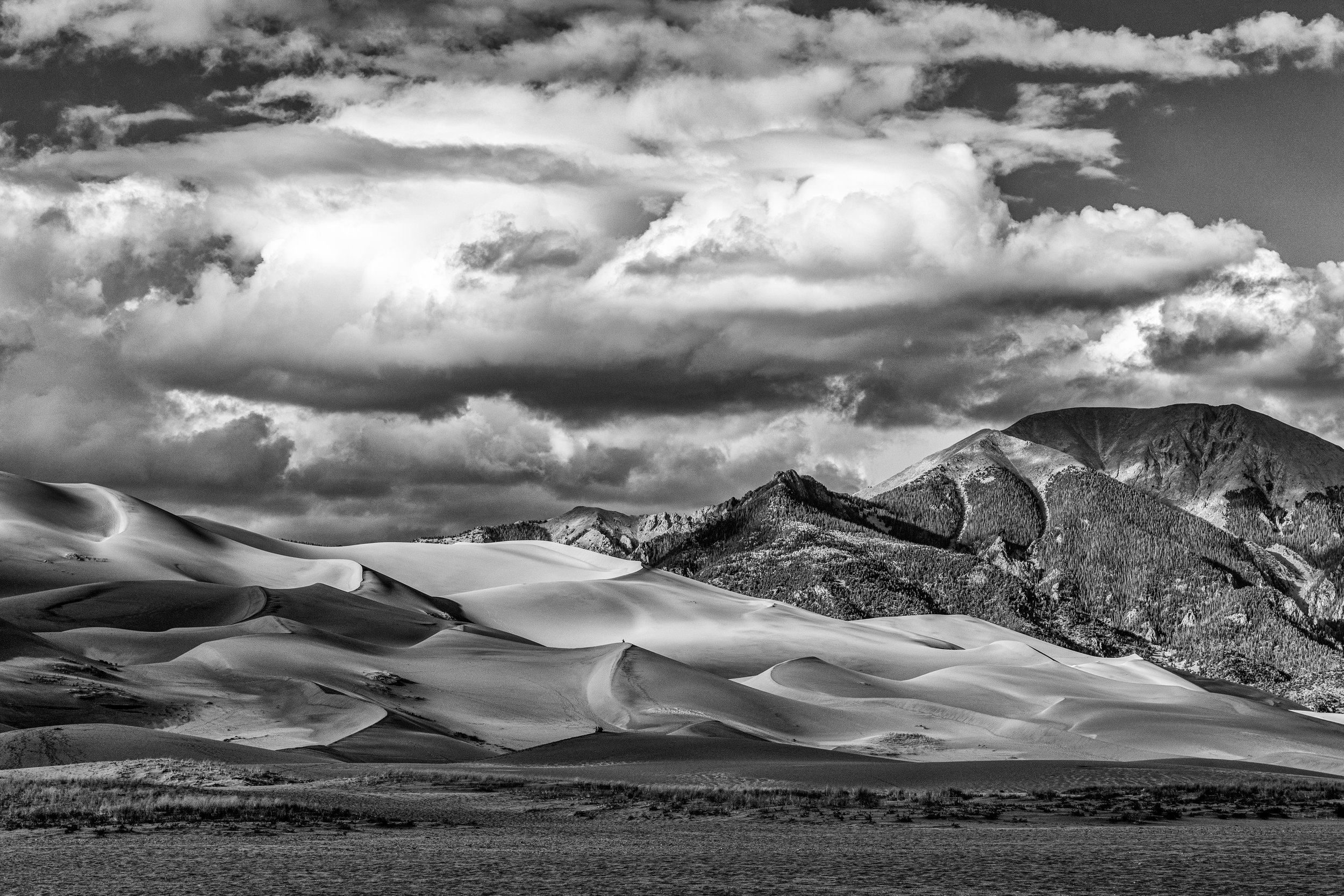
Great Sand Dunes National Park, Colorado
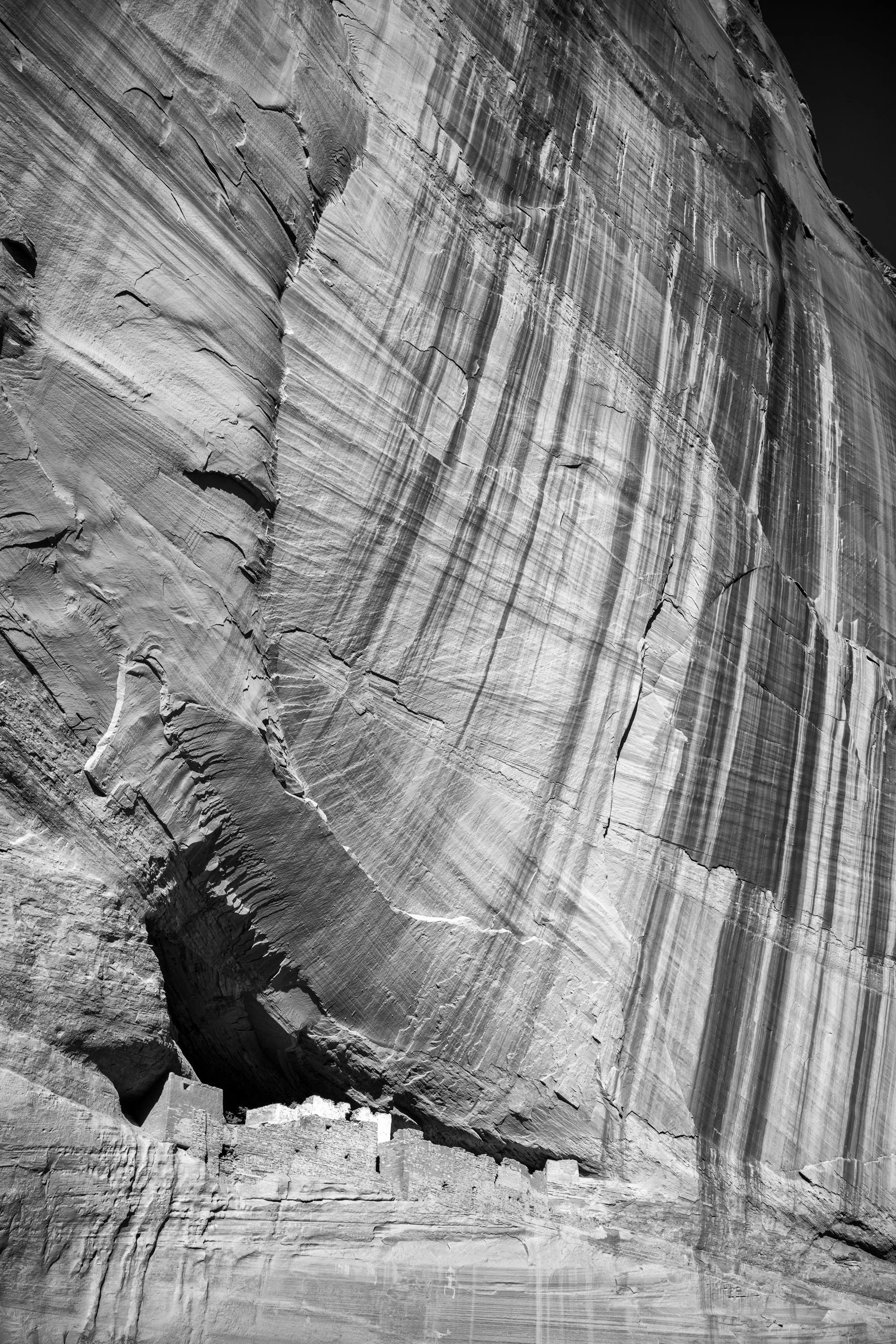
White House Ruin, Canyon de Chelly

The Claw, Valley of the Gods

Schwabacher's Landing, Grand Teton National Park

Sunset, Dead Horse Point State Park
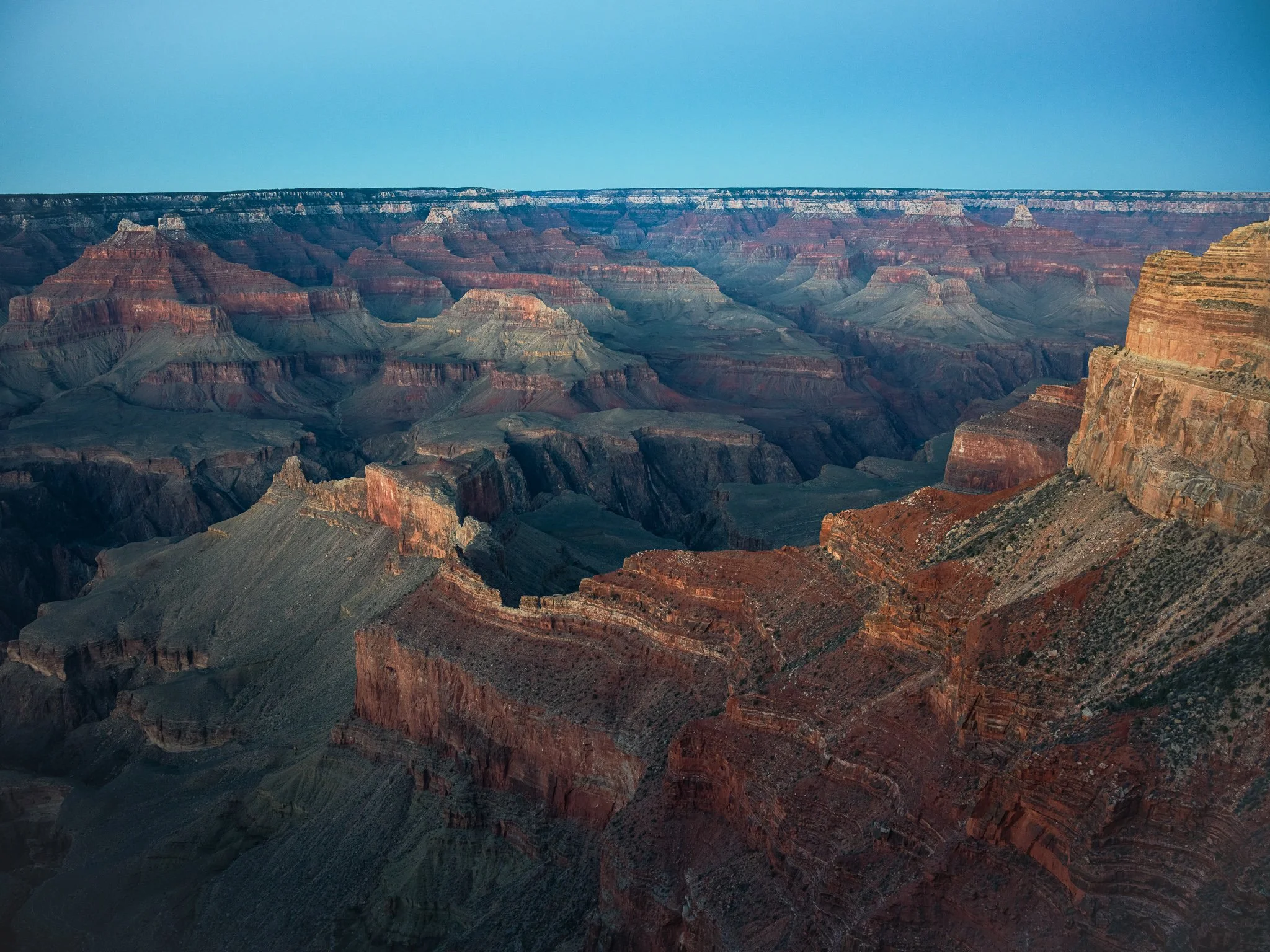
Mohave Point, Grand Canyon National Park
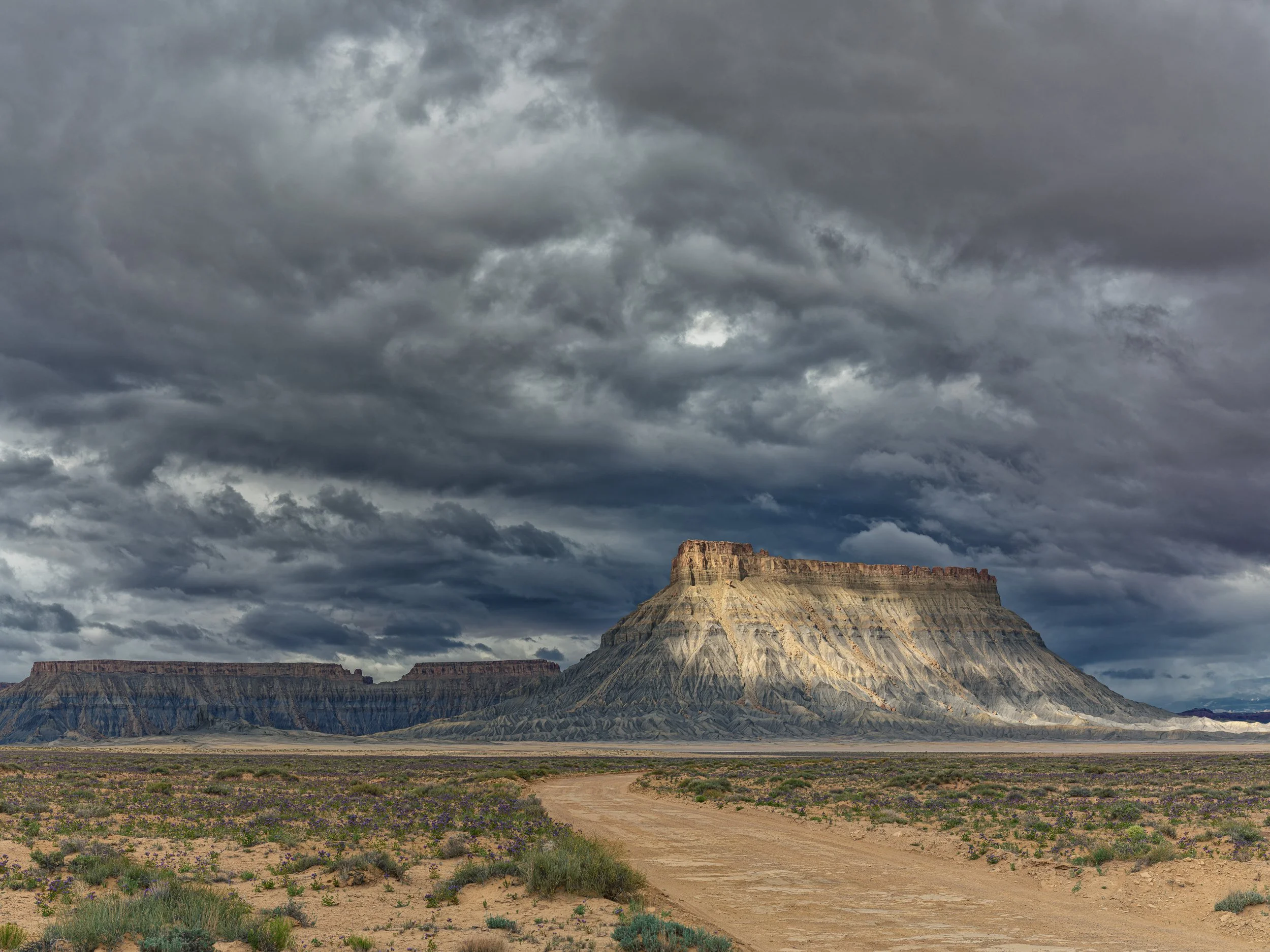
Factory Butte

Oxbow Bend (during fire season), GTNP
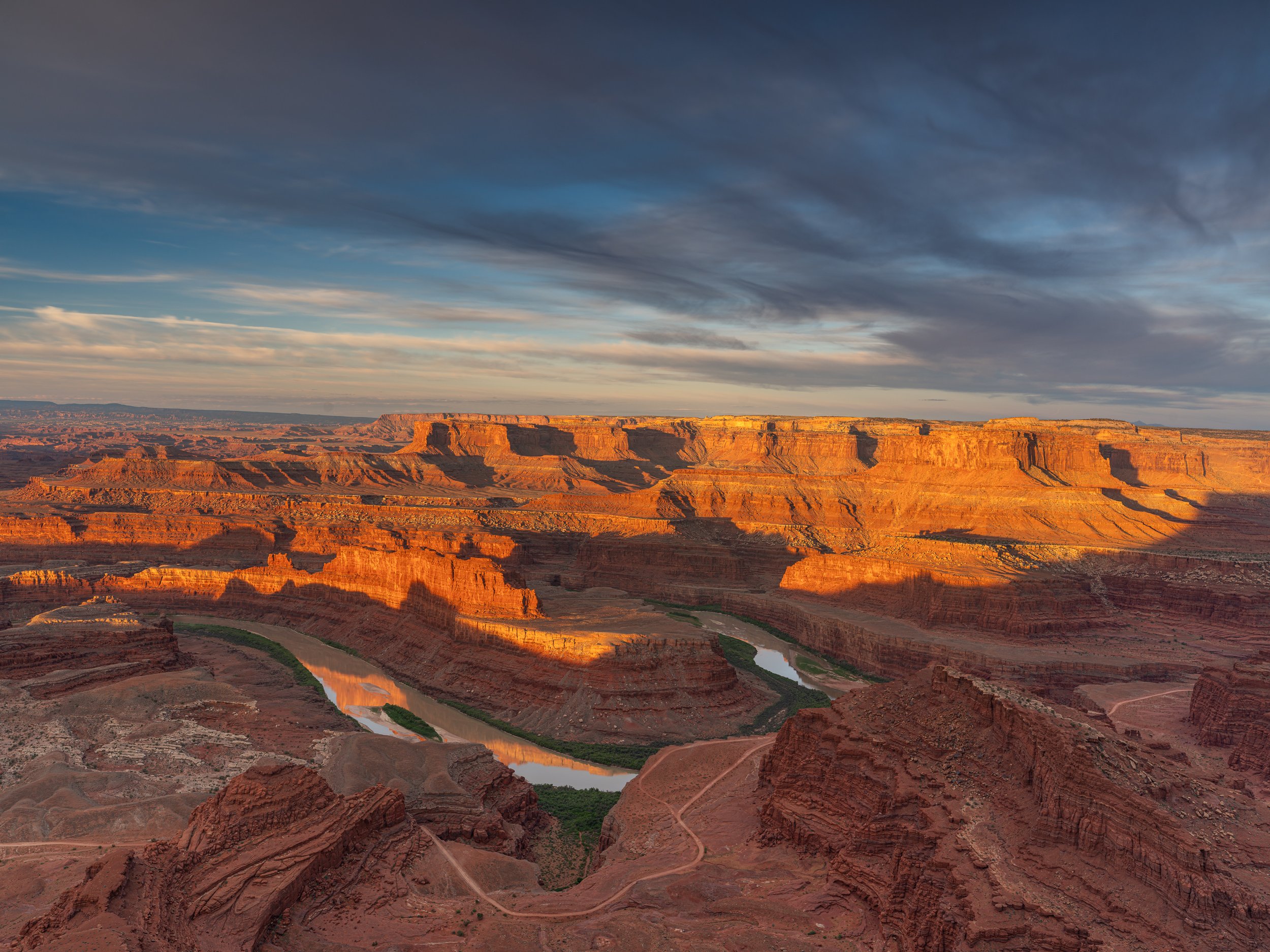
Dead Horse Point State Park, Utah
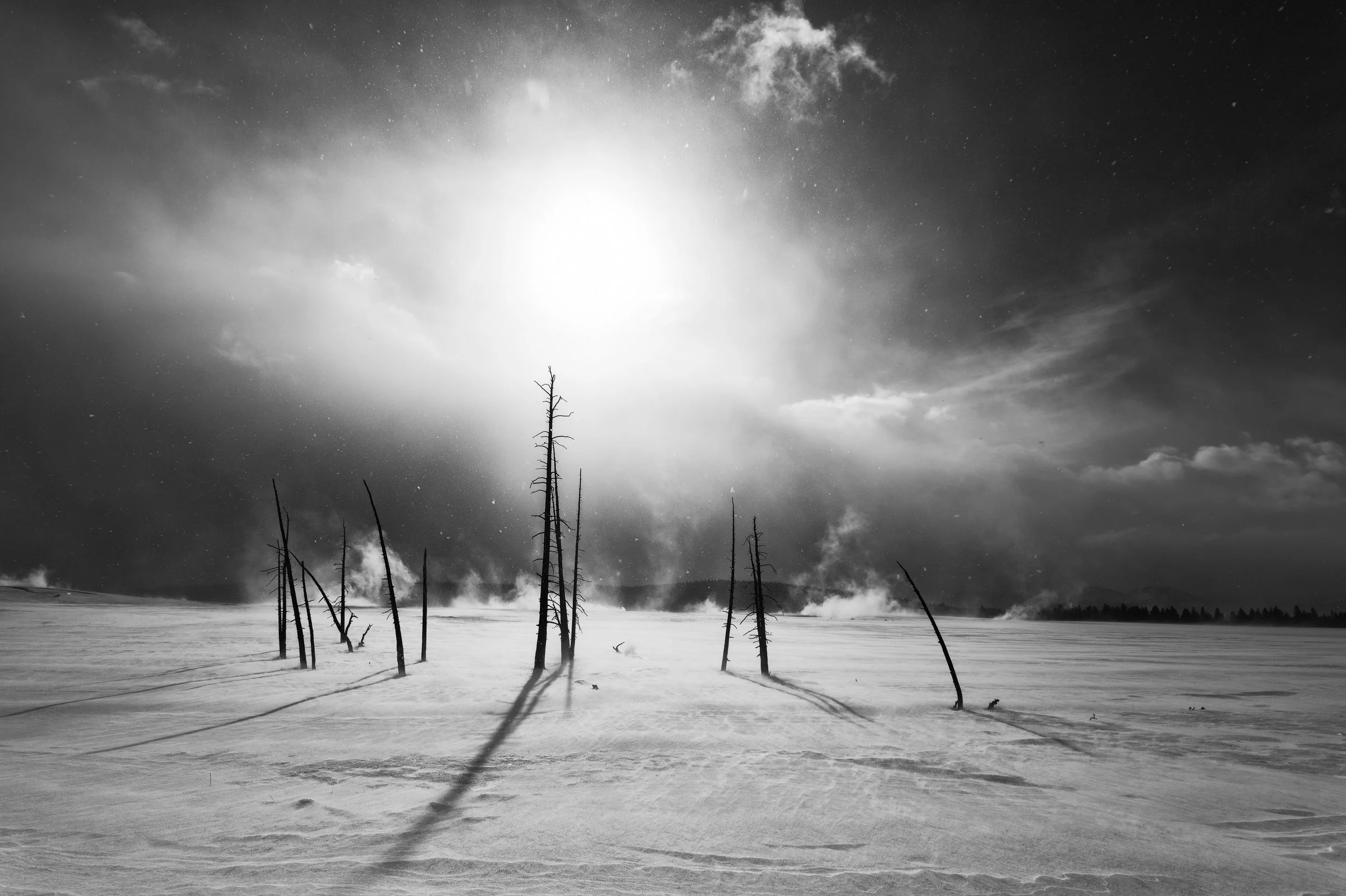
Snowstorm, Yellowstone National Park, Wyoming

The Sleeping Indian, Bridger-Teton National Forest
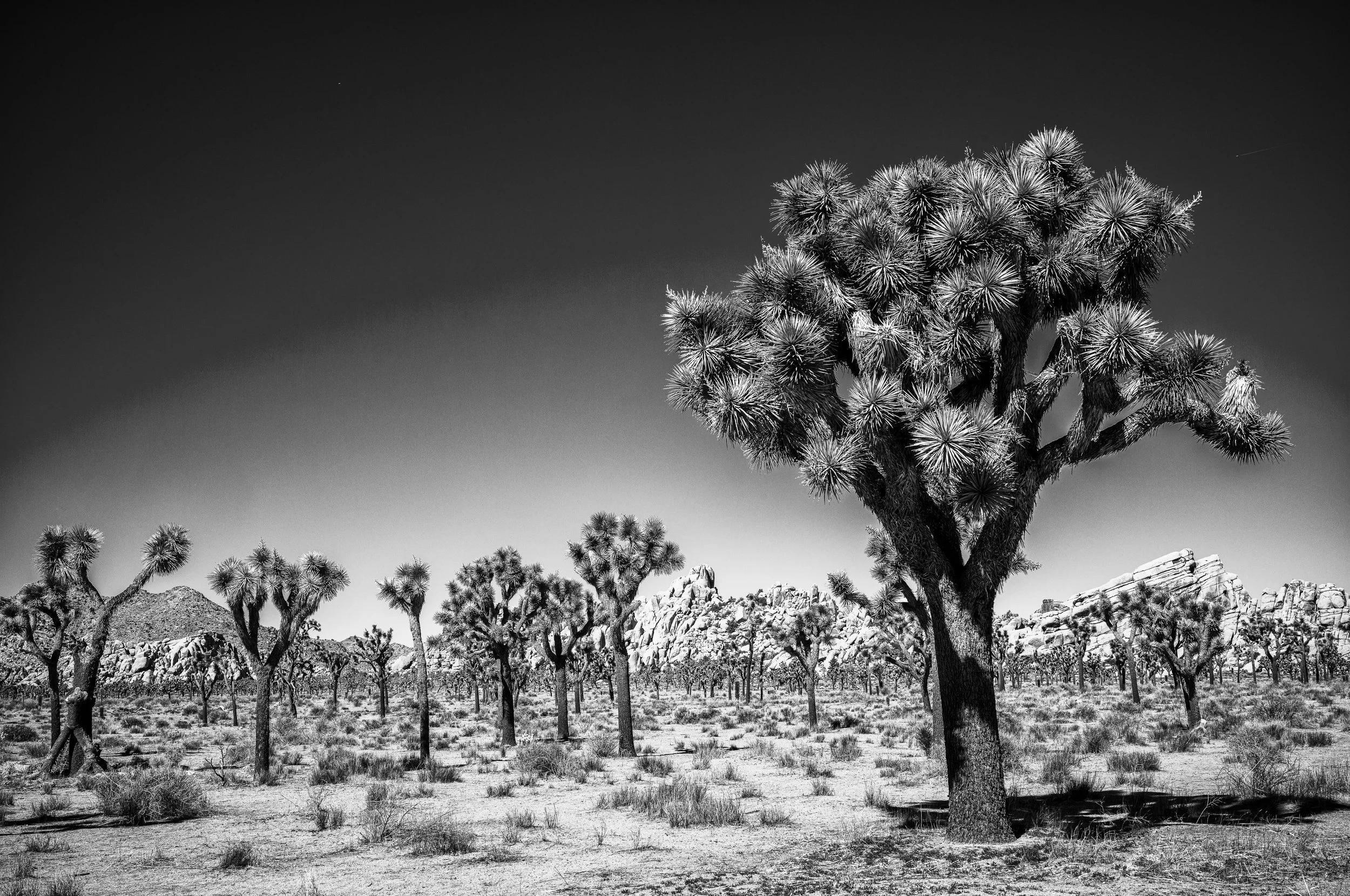
Joshua Tree National Park
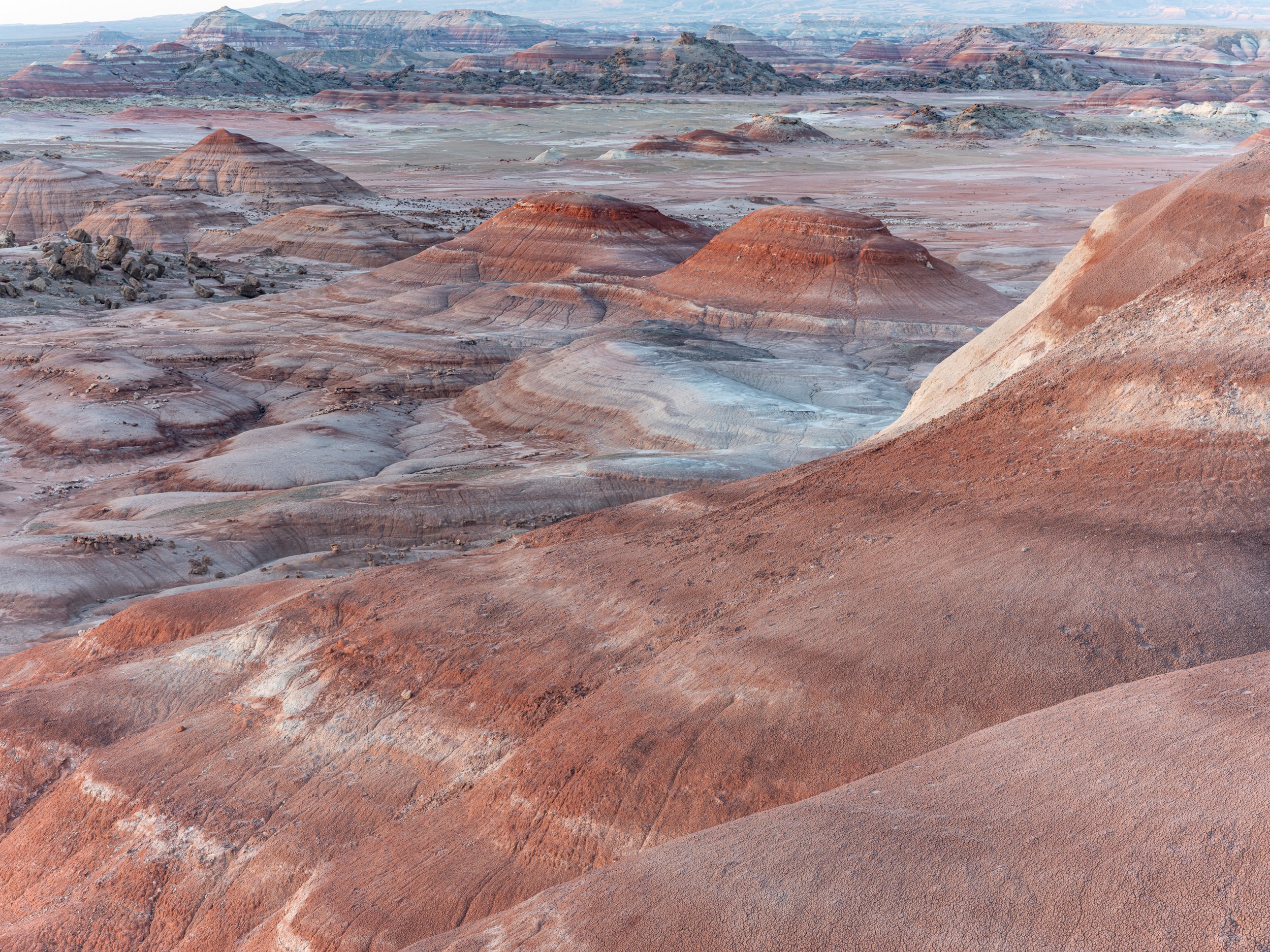
Mars Desert Research Center, Hanksville, Utah

Monument Valley Tribal Park, Arizona

50-Mile Canyon, Glen Canyon National Recreation Area, Utah
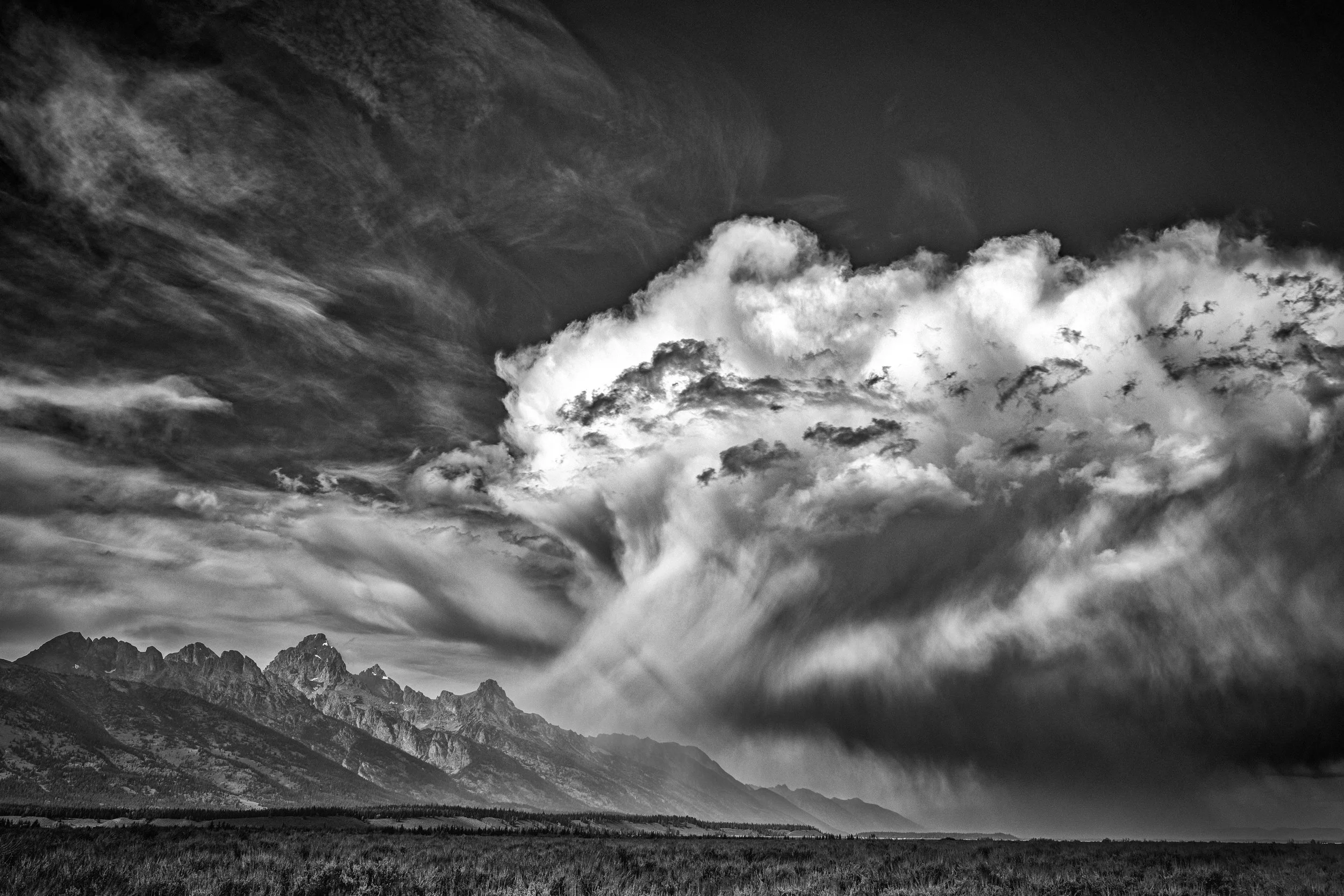
Grand Teton National Park
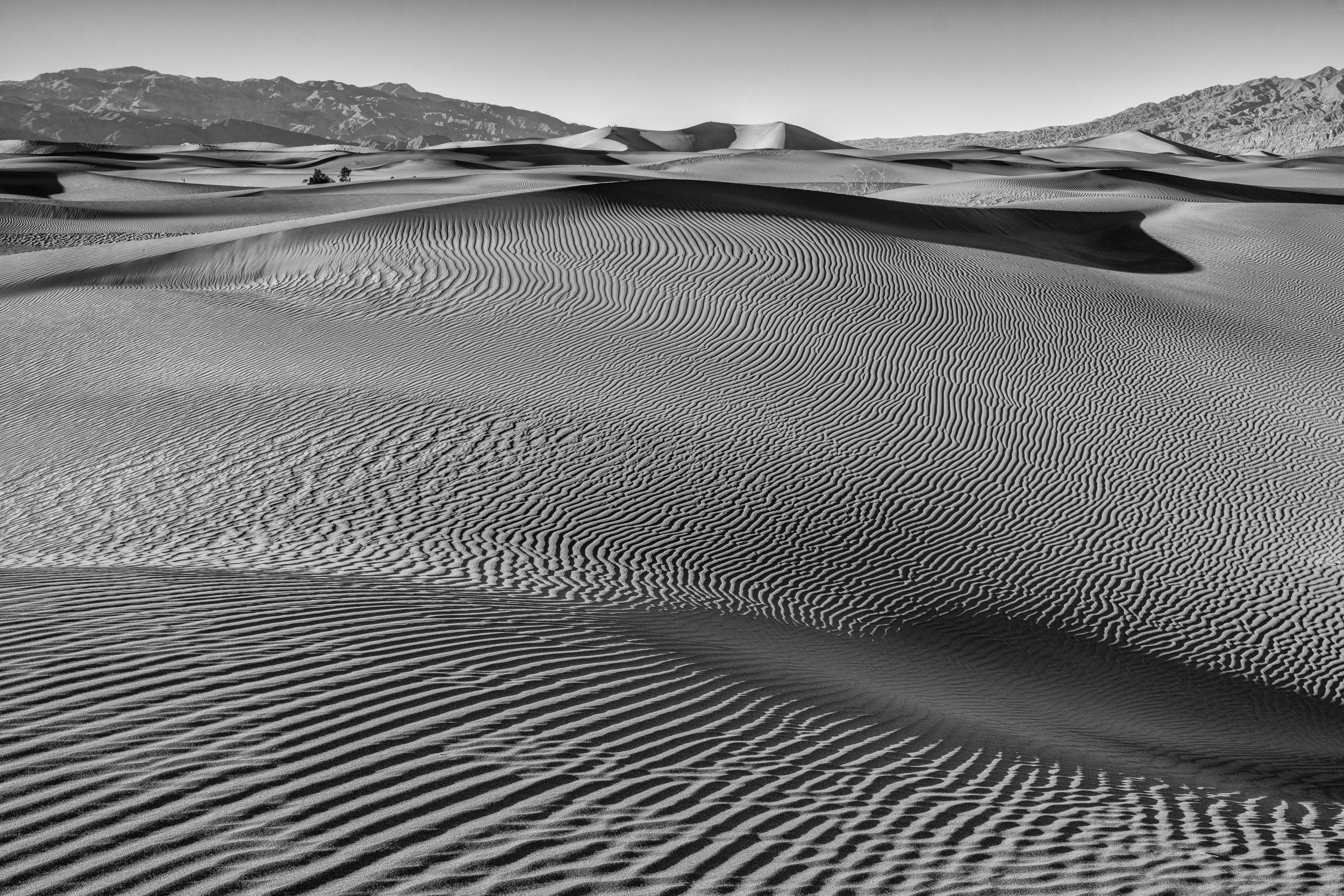
Death Valley

Cathedral in the Desert, Glen Canyon
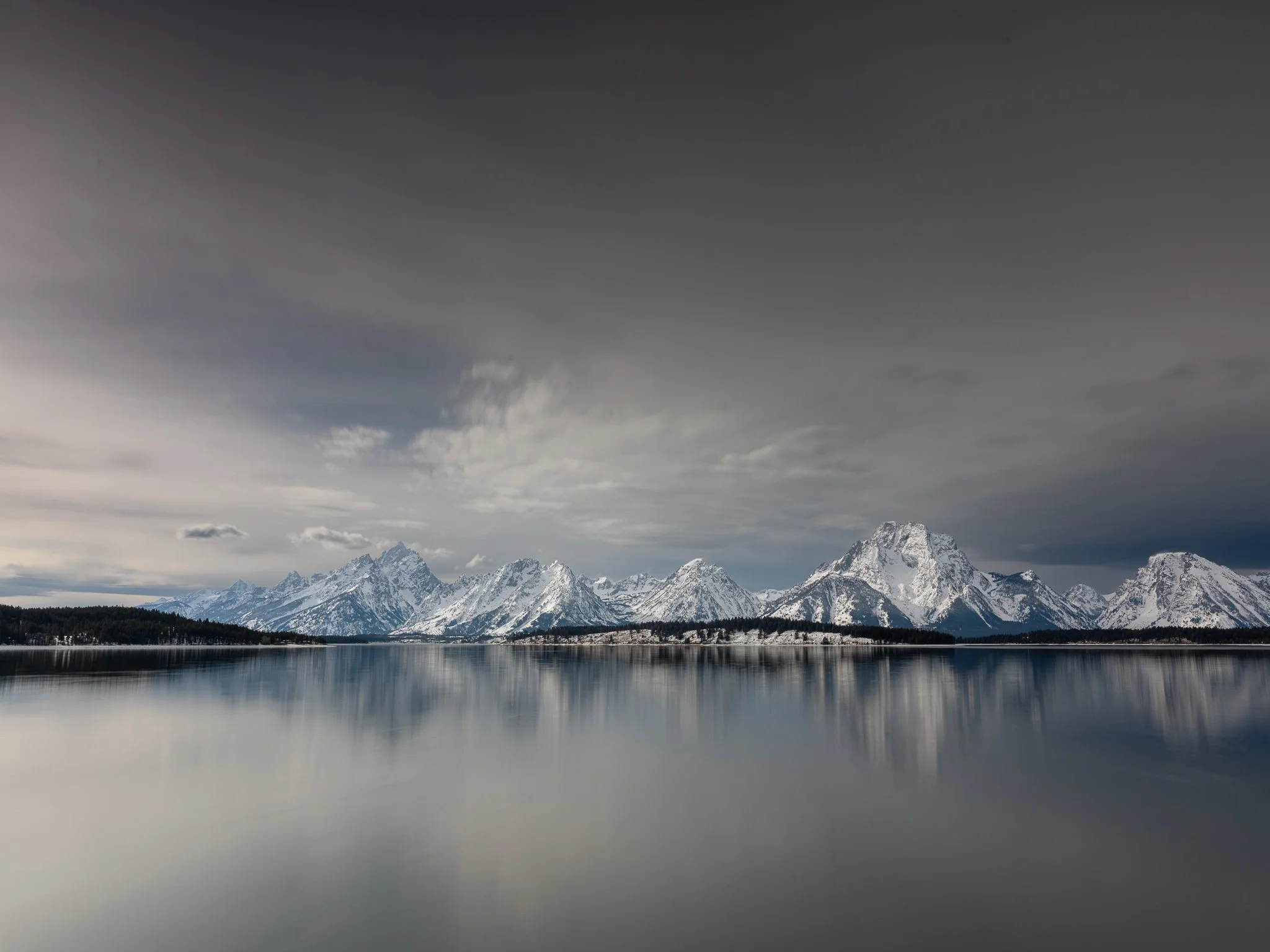
Grand Teton National Park, Wyoming

50-Mile Canyon, Glen Canyon
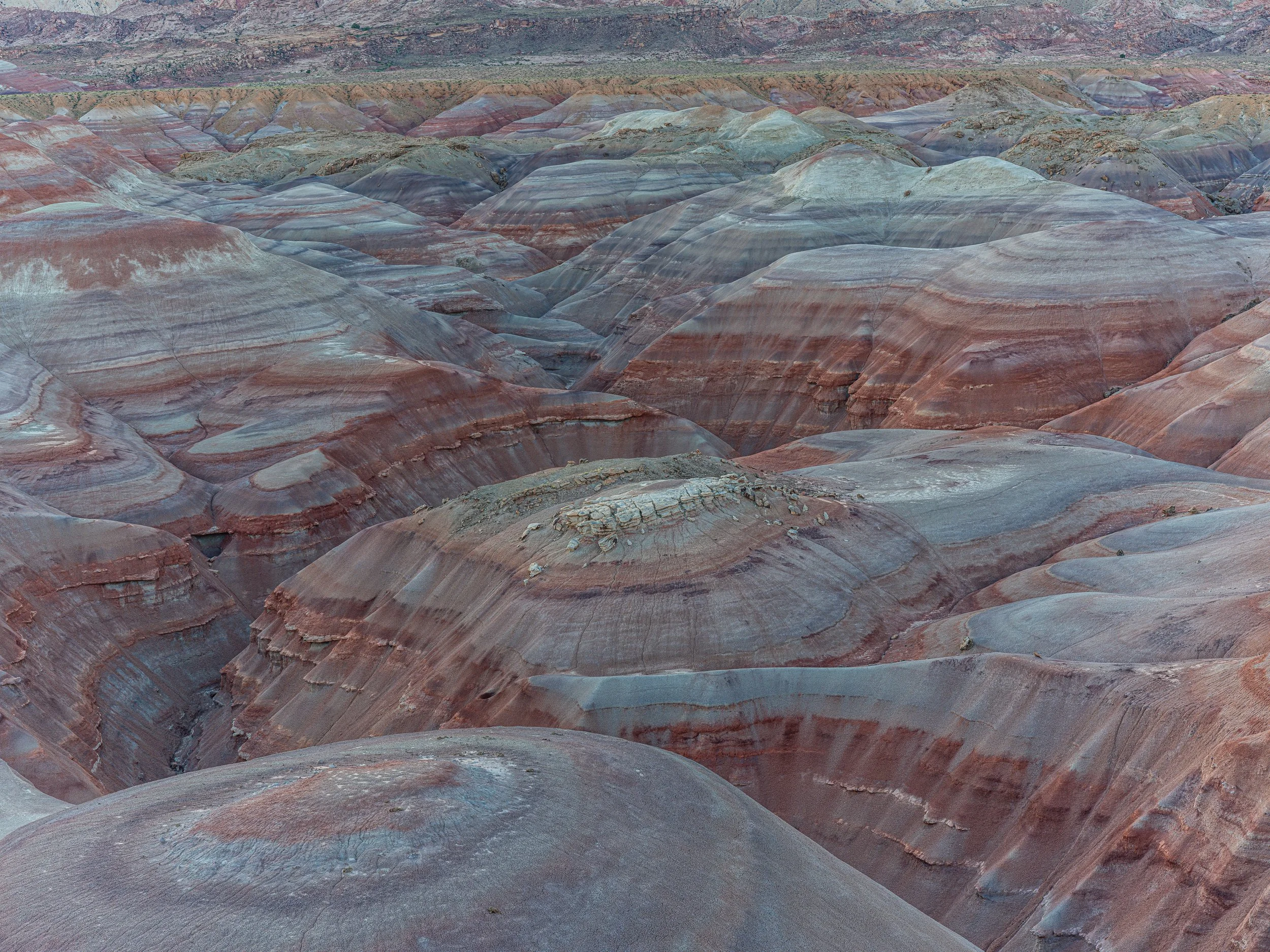
Moonscape Badlands, Utah

Park Avenue, Arches National Park
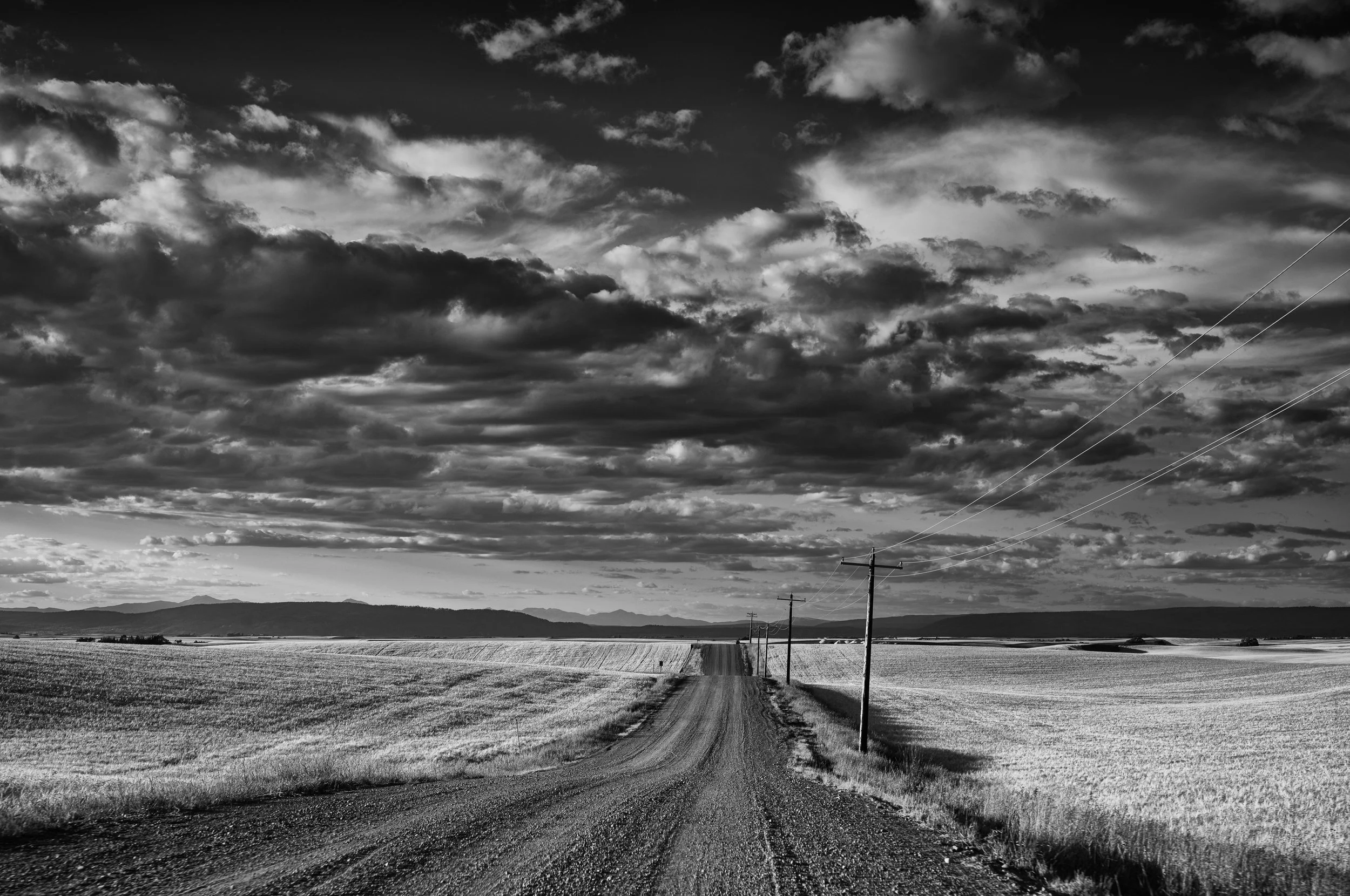
Fields near Felt, Idaho
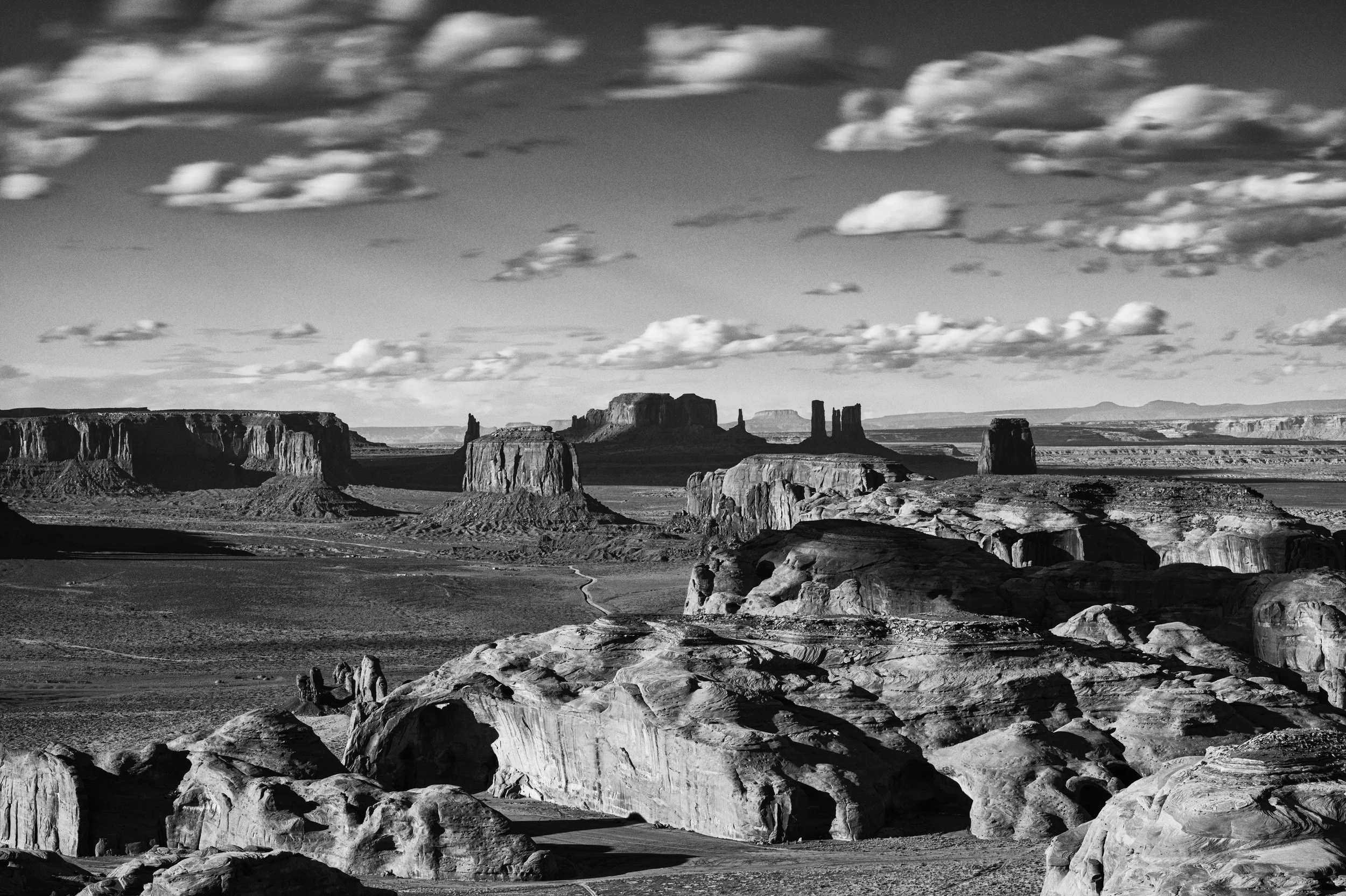
From Hunts Mesa, above Monument Valley

Teton Range
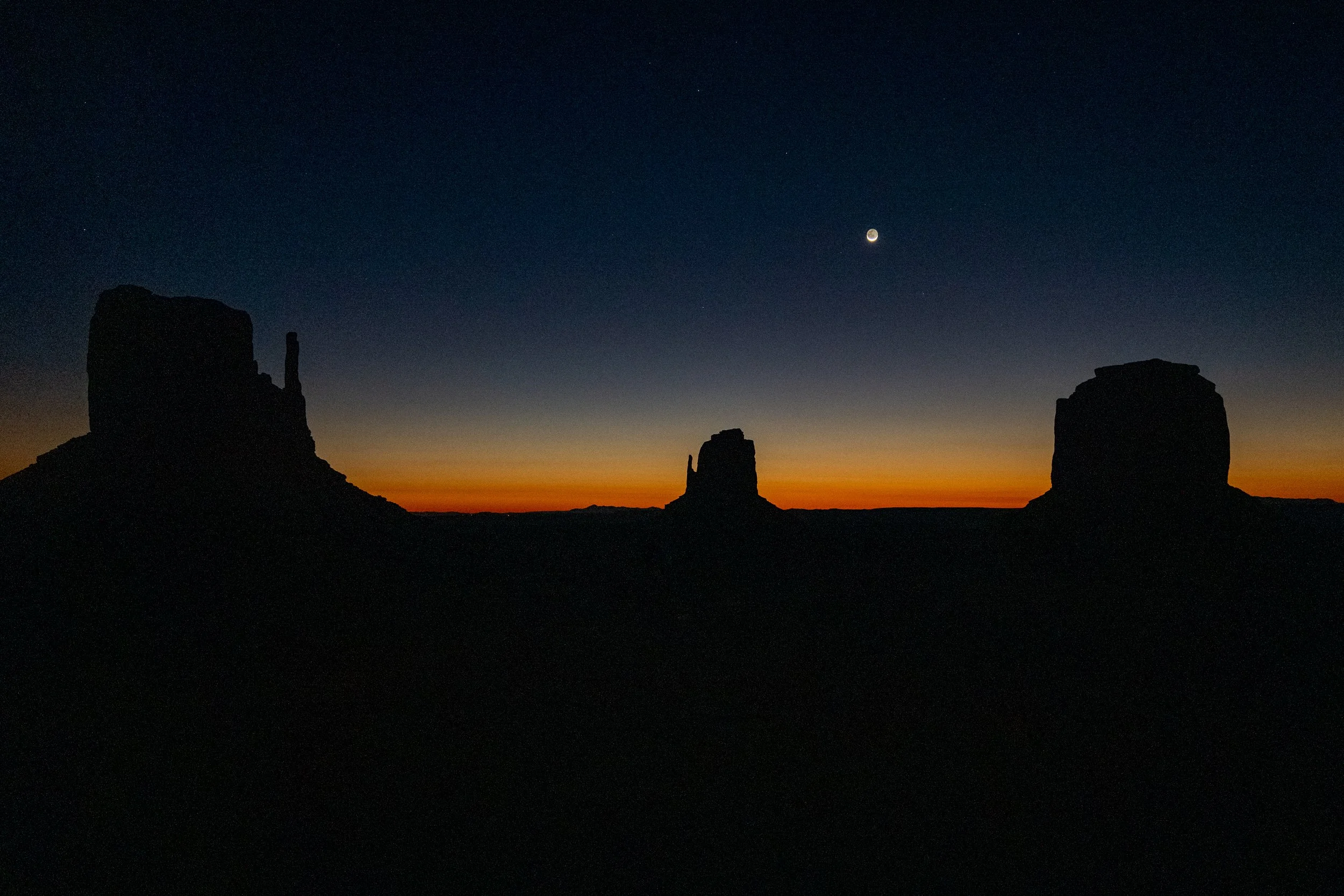
The Mittens, Monument Valley Tribal Park, AZ
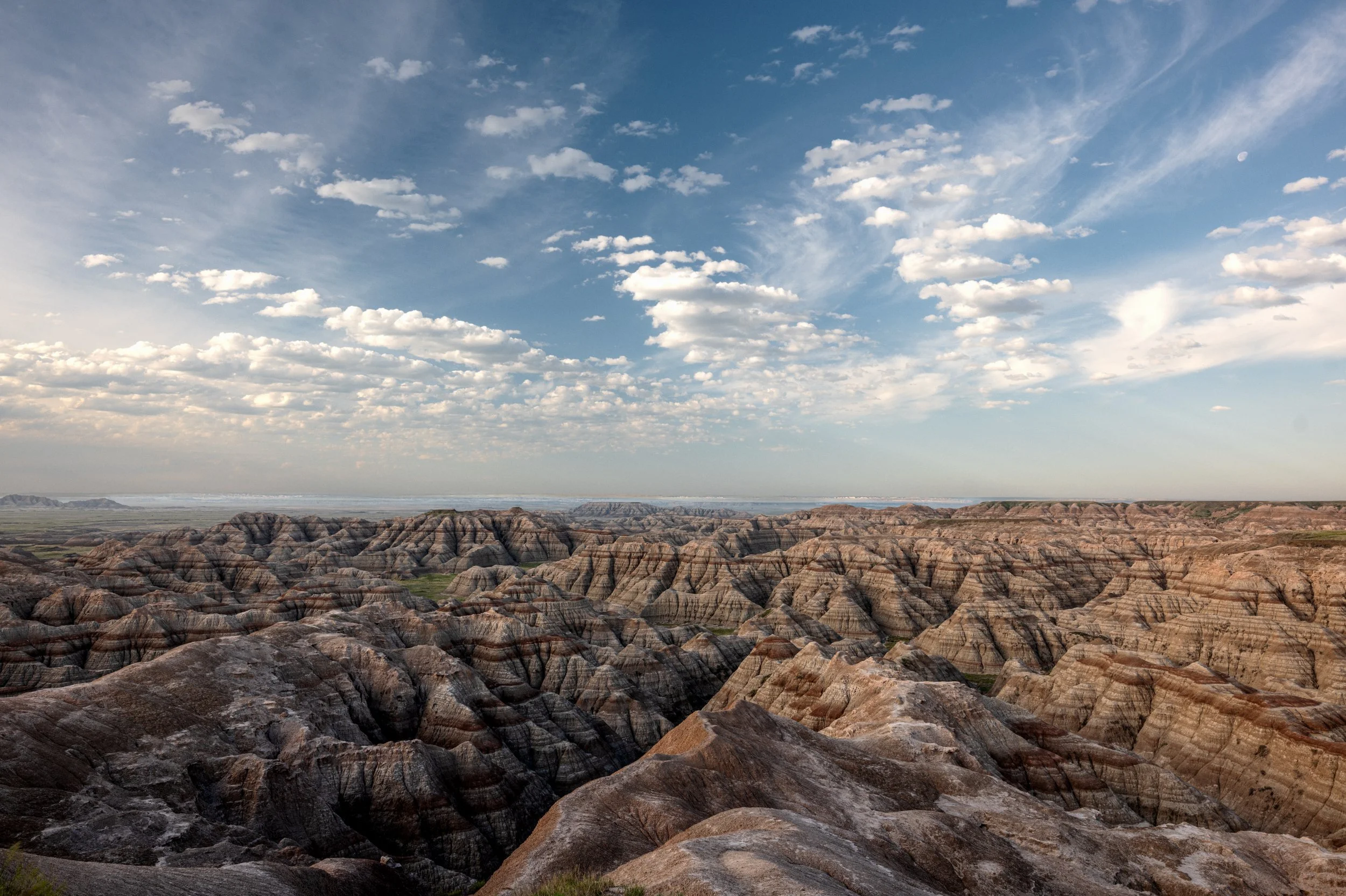
Badlands National Park, South Dakota
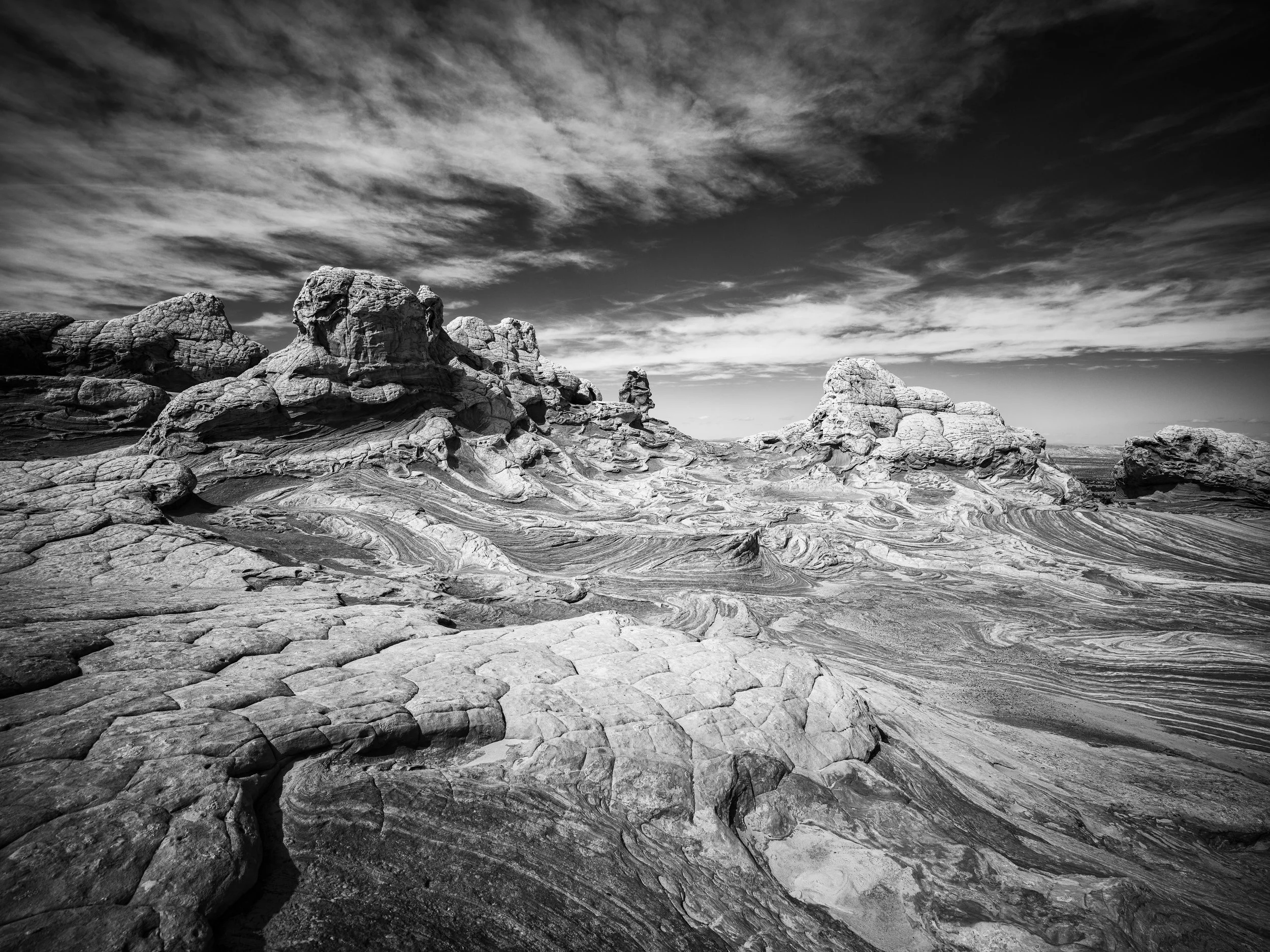
White Pocket, Arizona

Valley of the Gods, Utah
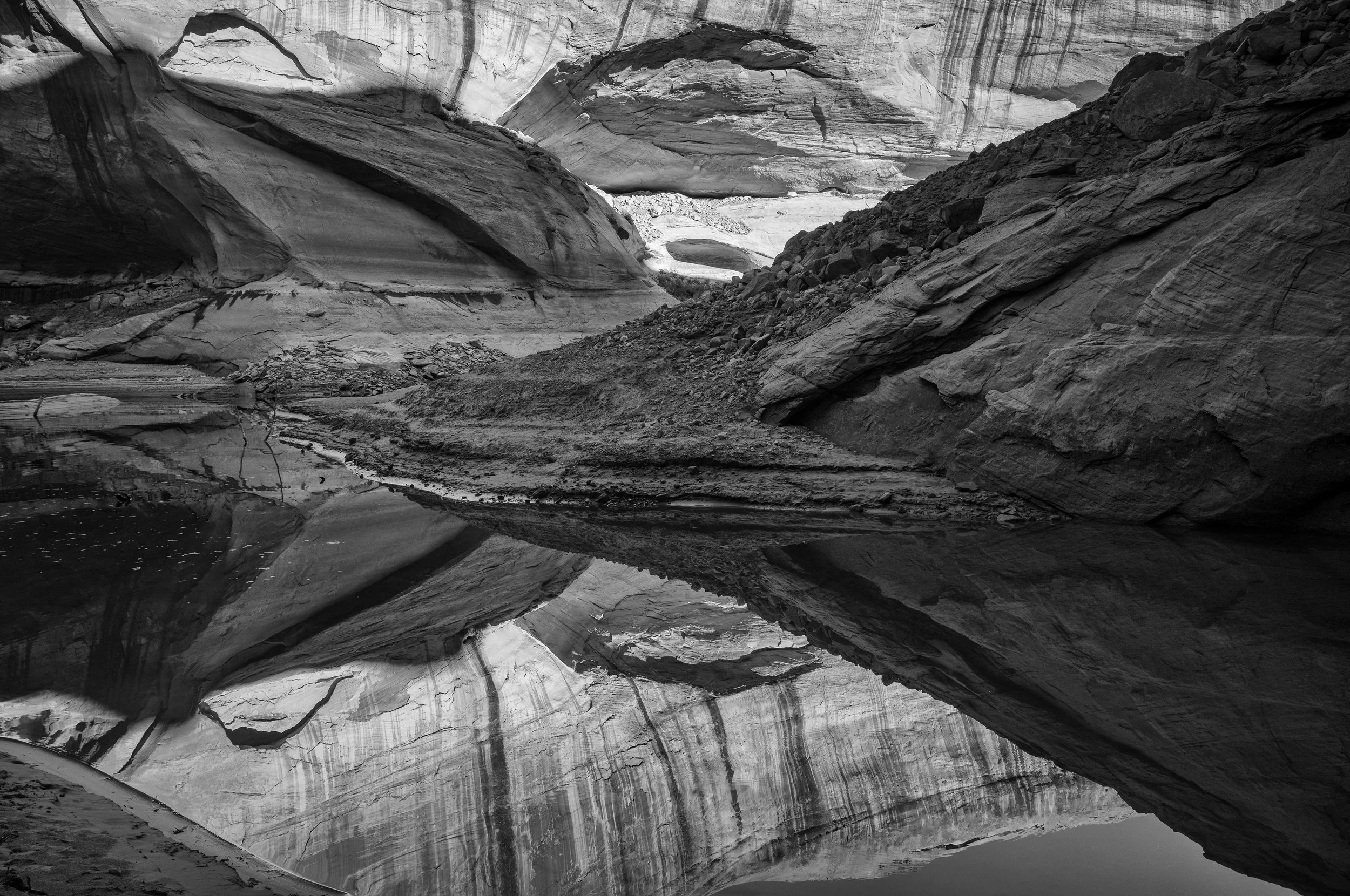
Glen Canyon National Recreation Area, Utah
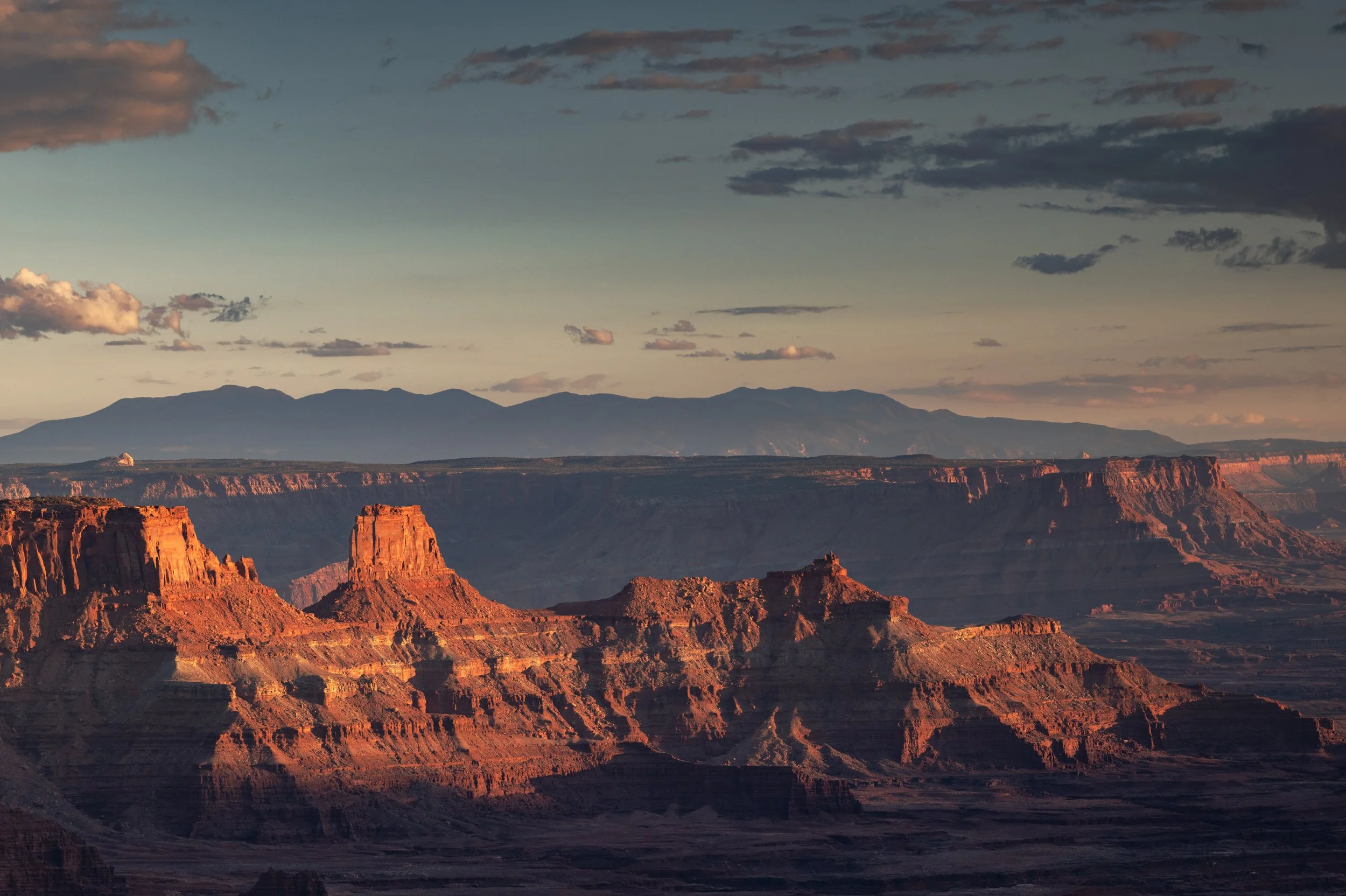
Dead Horse Point State Park
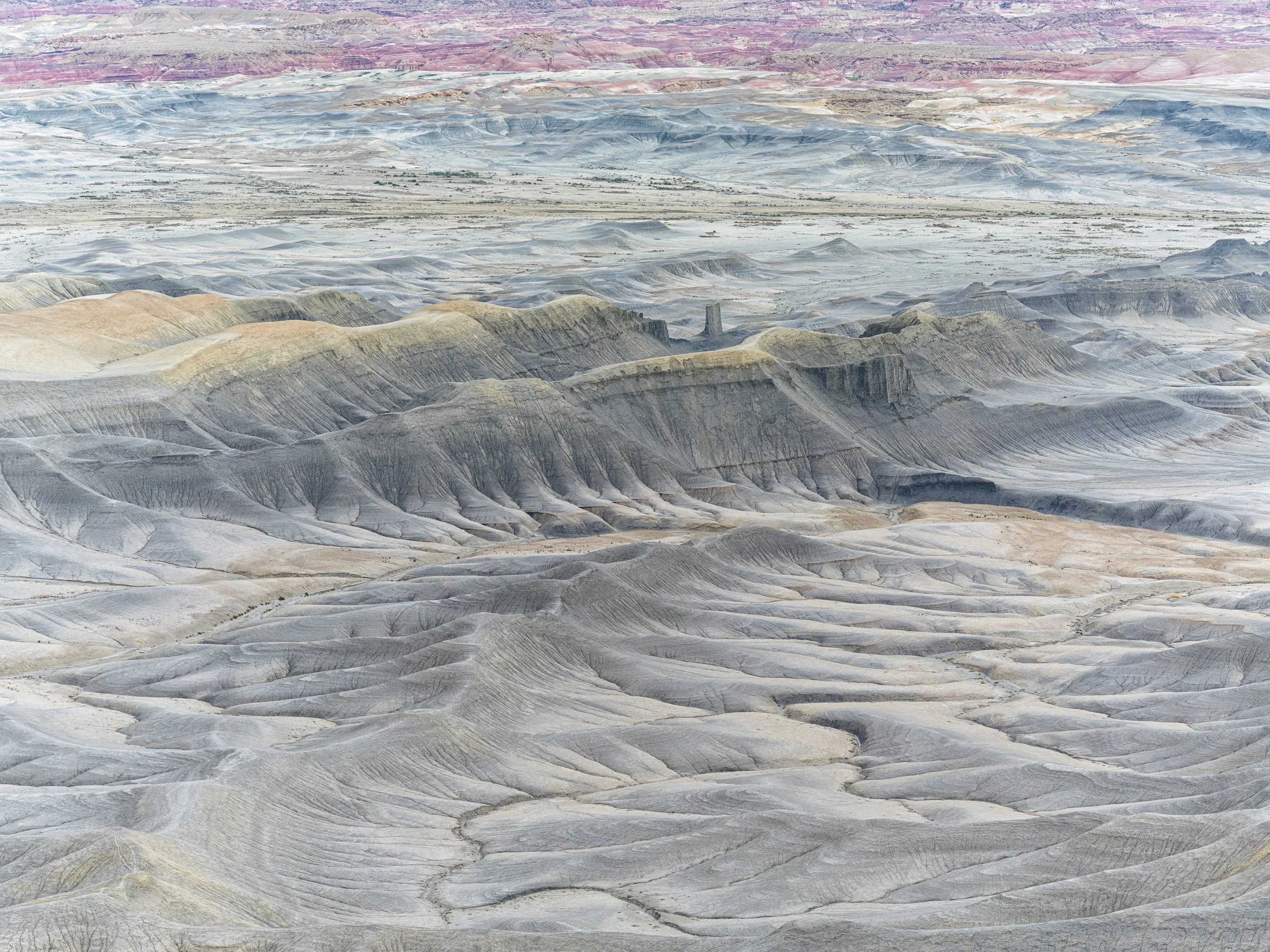
The Overlook, Hanksville, Utah

Monument Valley National Tribal Park, Arizona
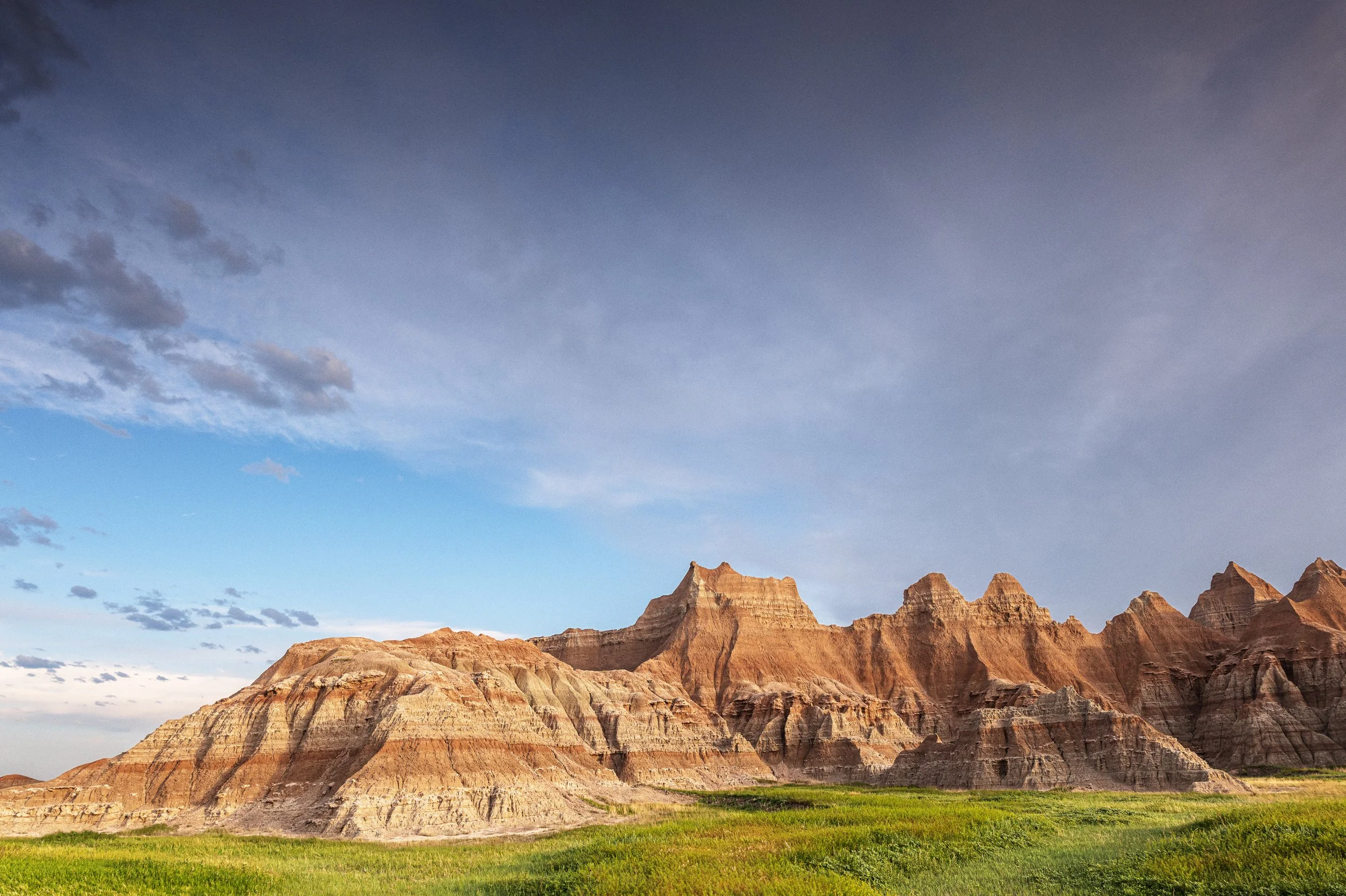
Badlands National Park, South Dakota

Grand Teton National Park
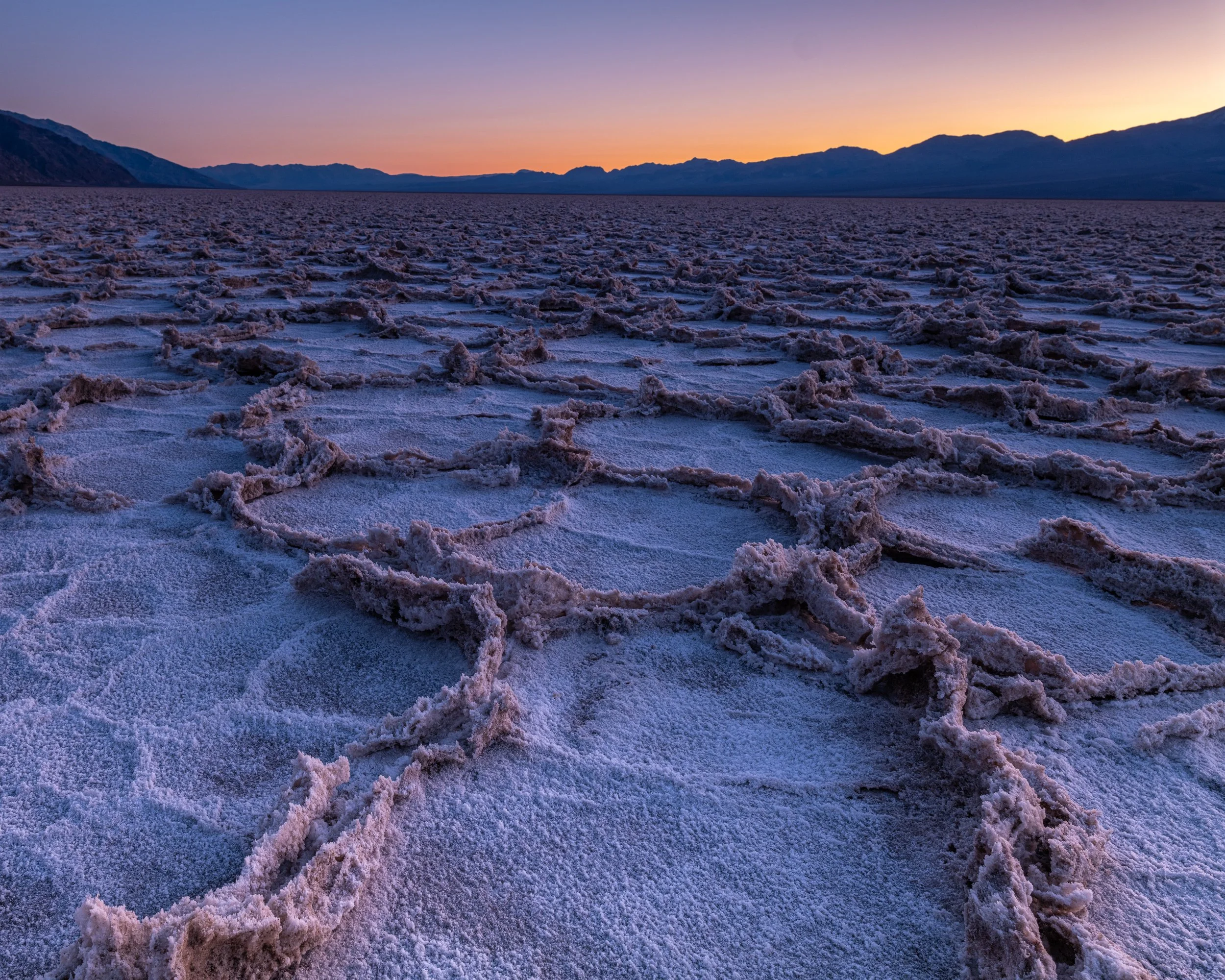
Death Valley National Park

Comet, Grand Teton National Park
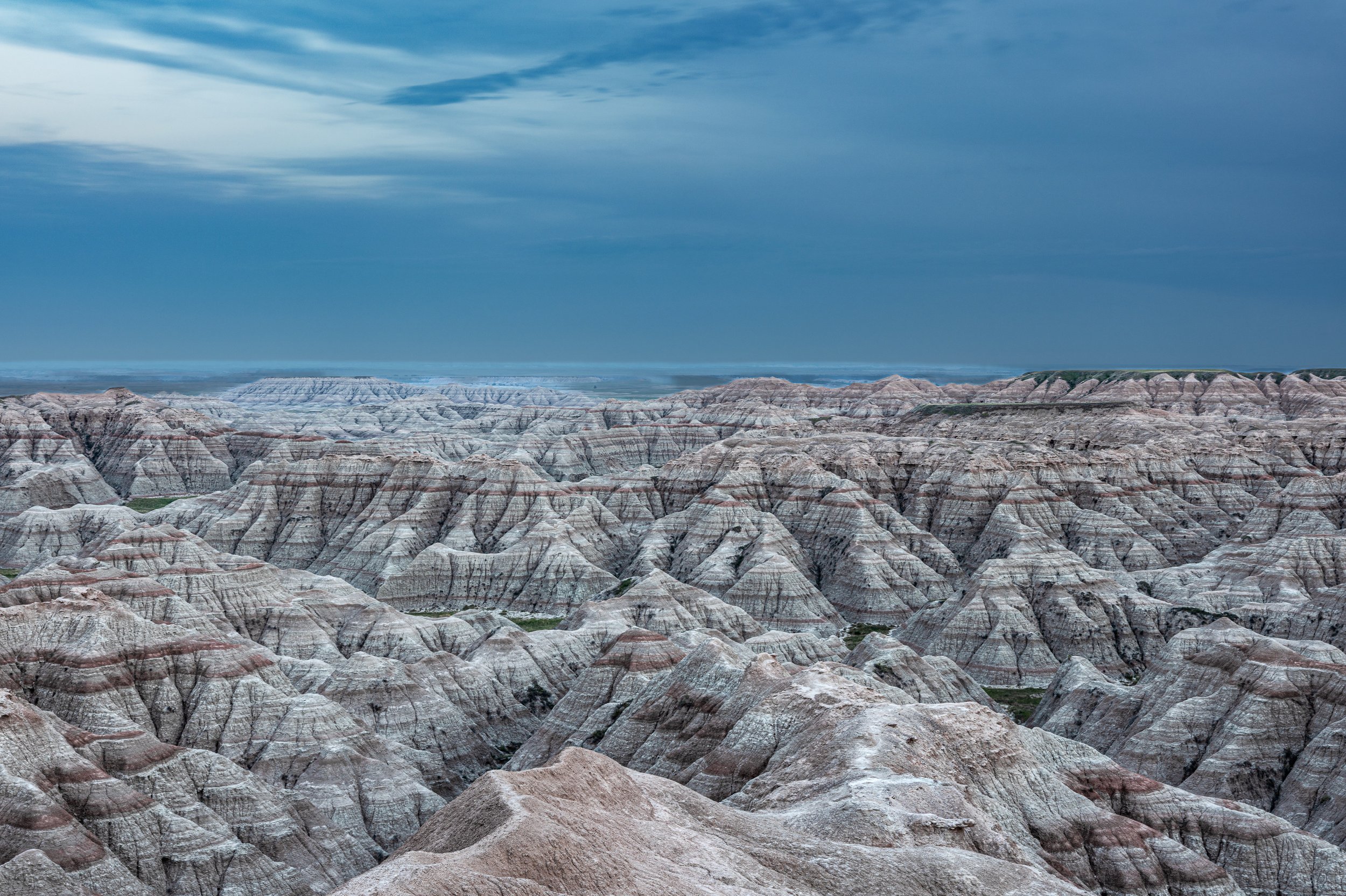
Badlands National Park, South Dakota
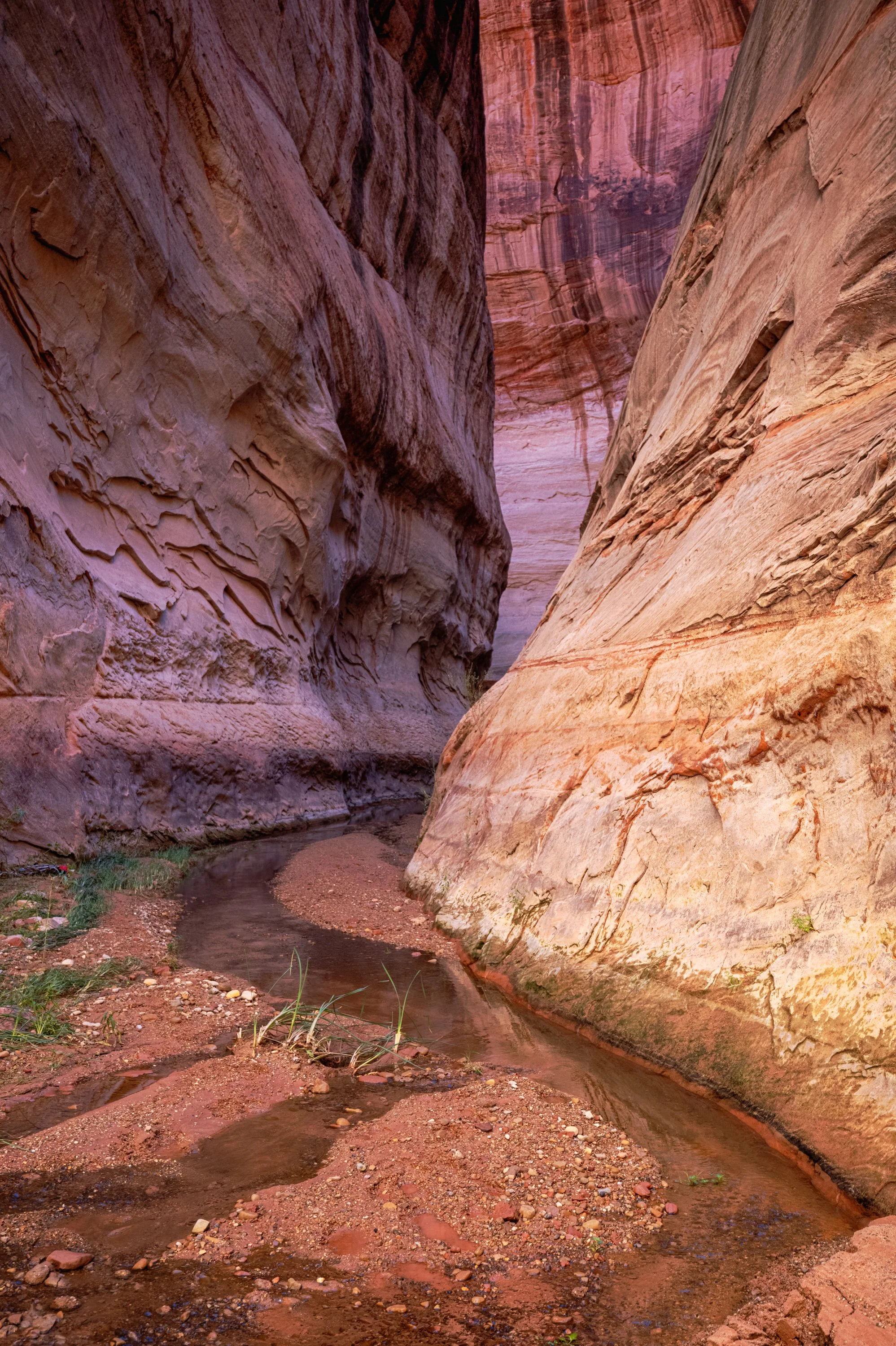
50-Mile Canyon
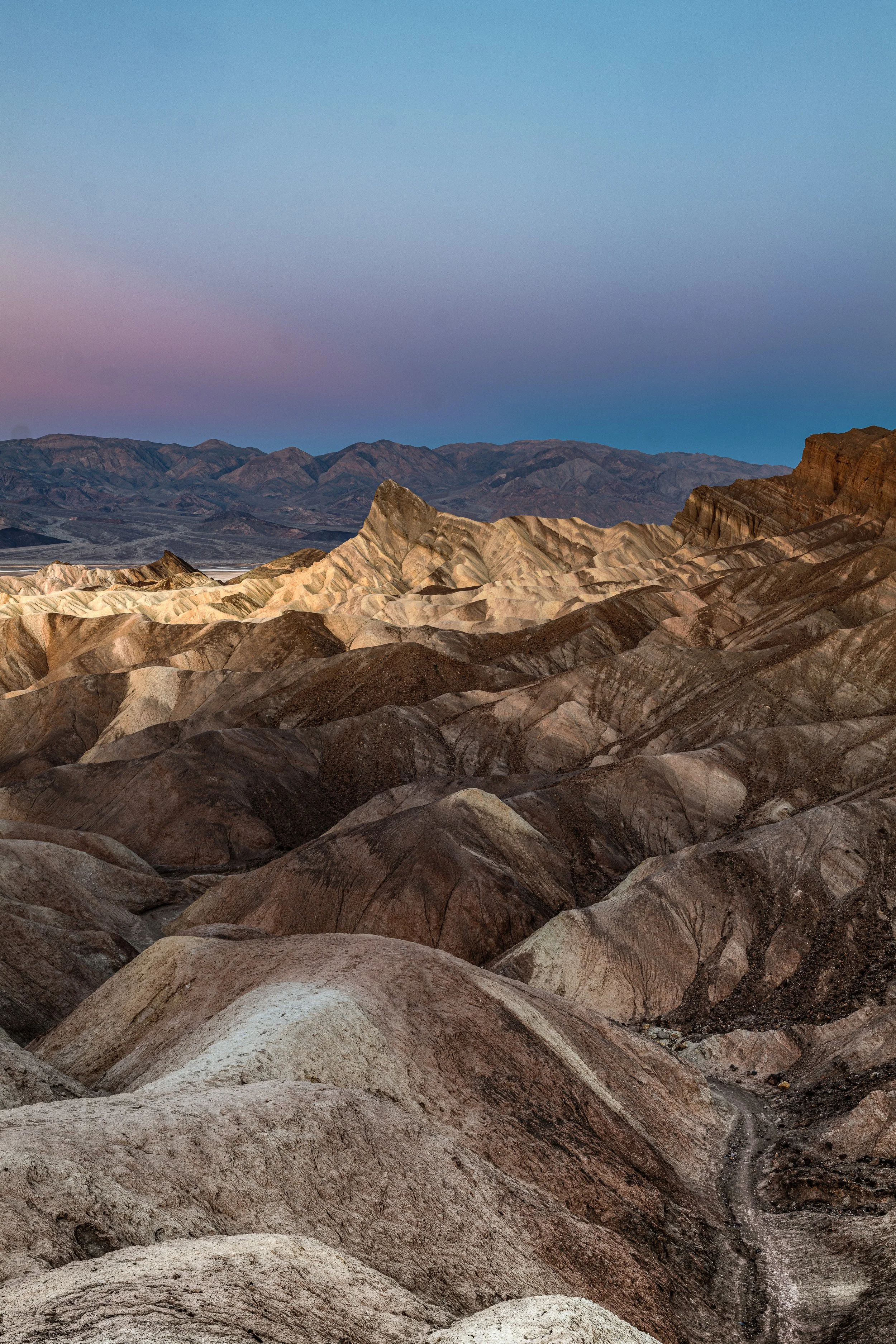
Death Valley National Park

Fields near Felt, Idaho
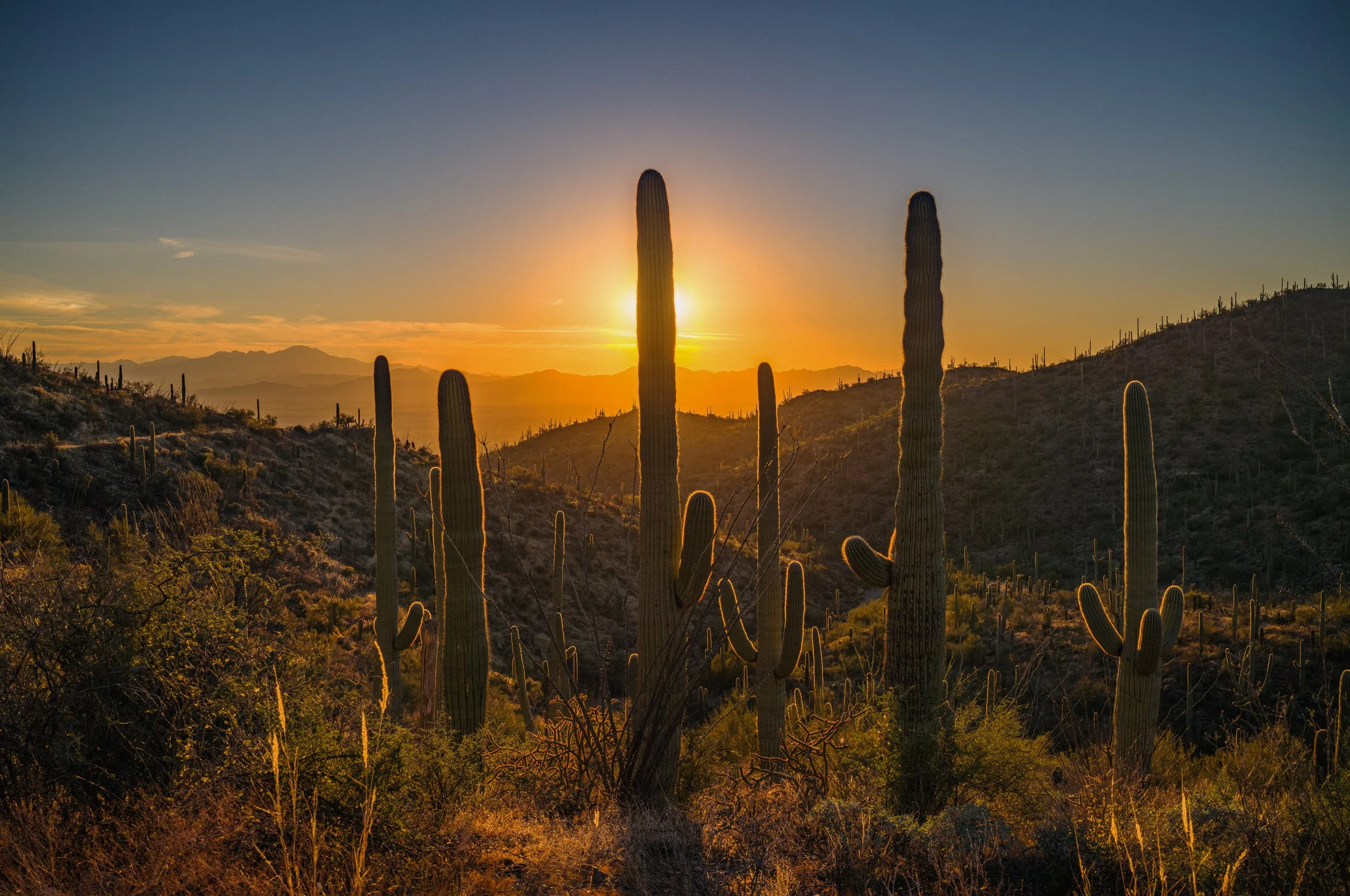
Saguaro National Park, Arizona
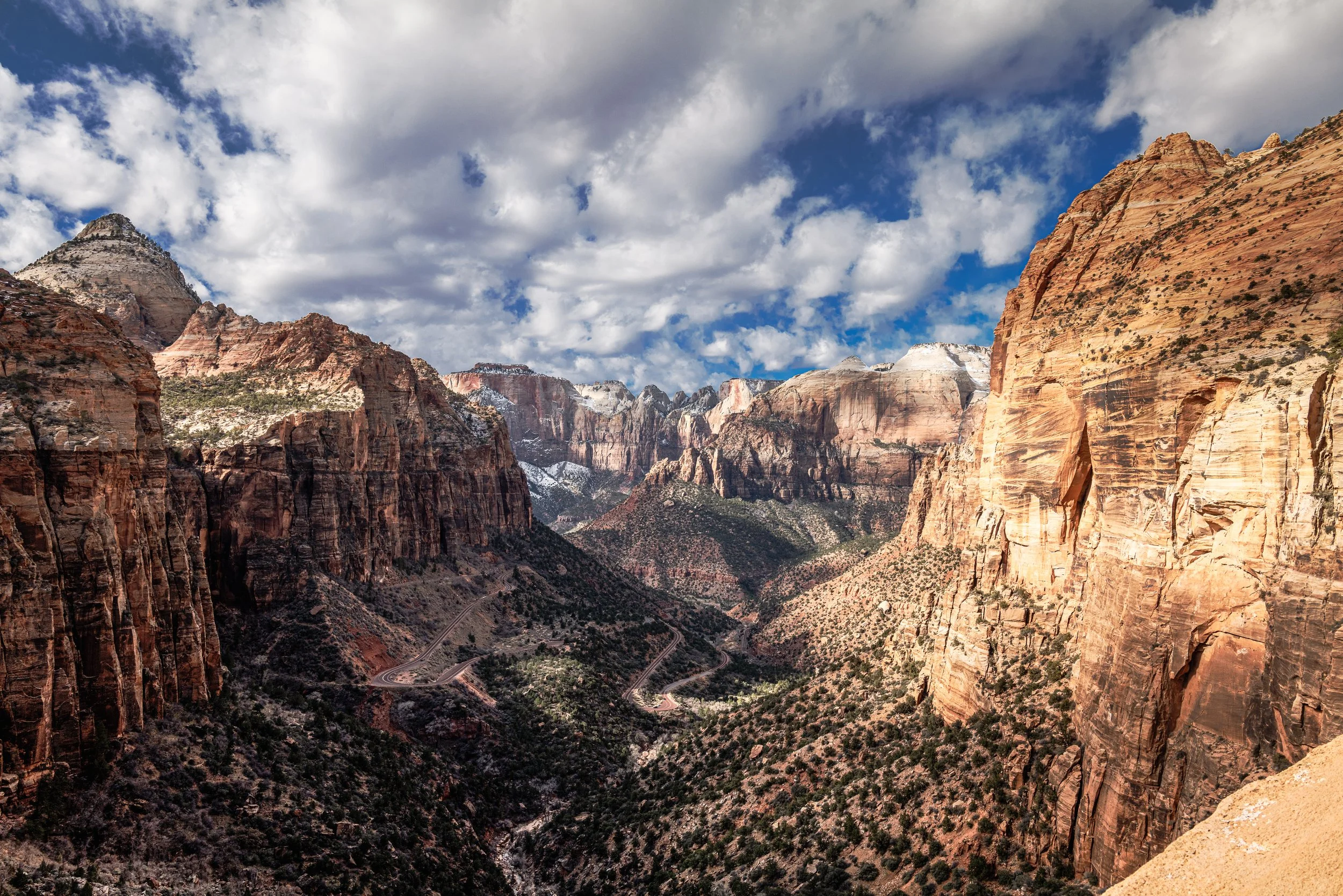
Zion National Park
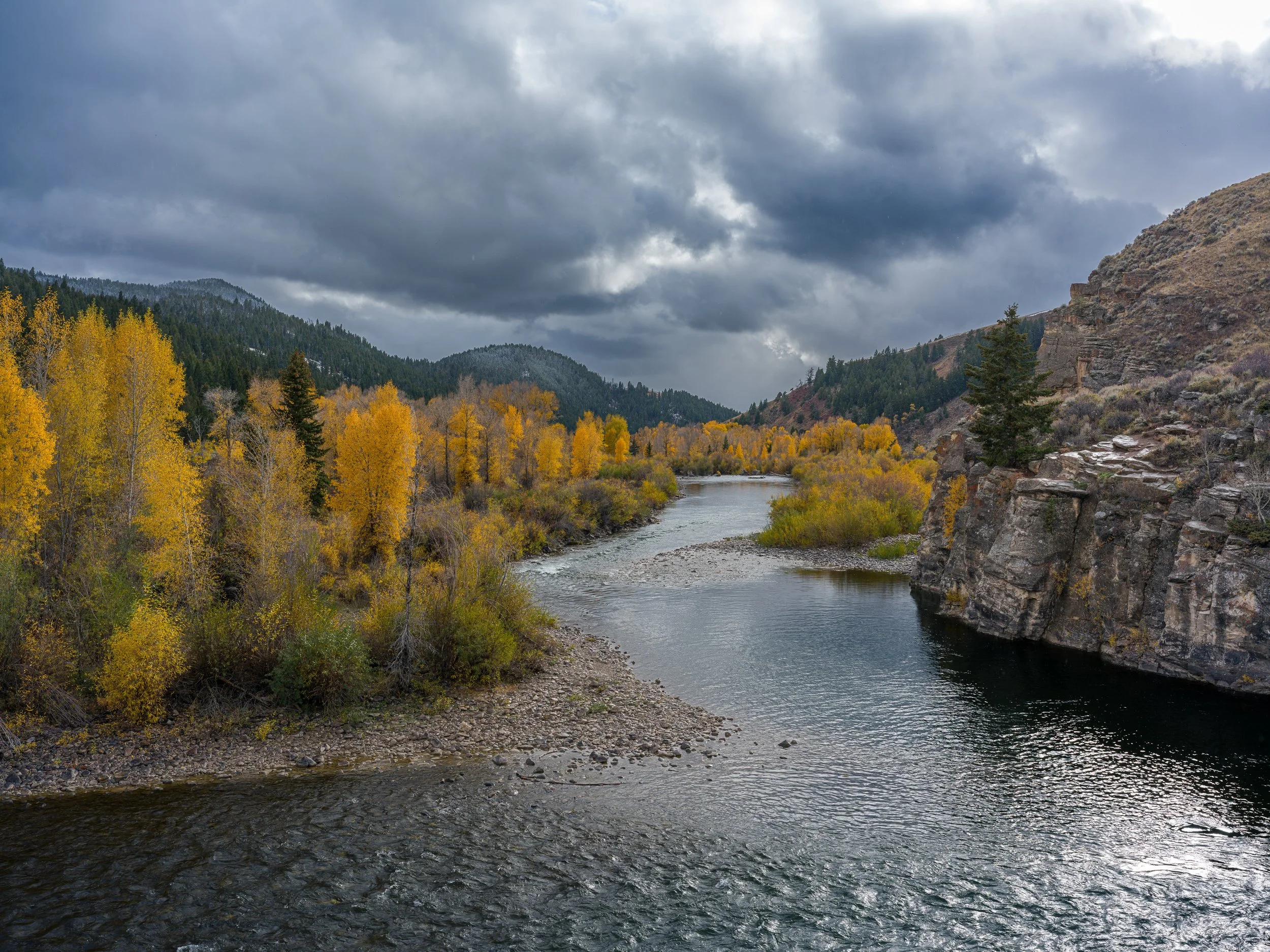
Bridger-Teton National Forest
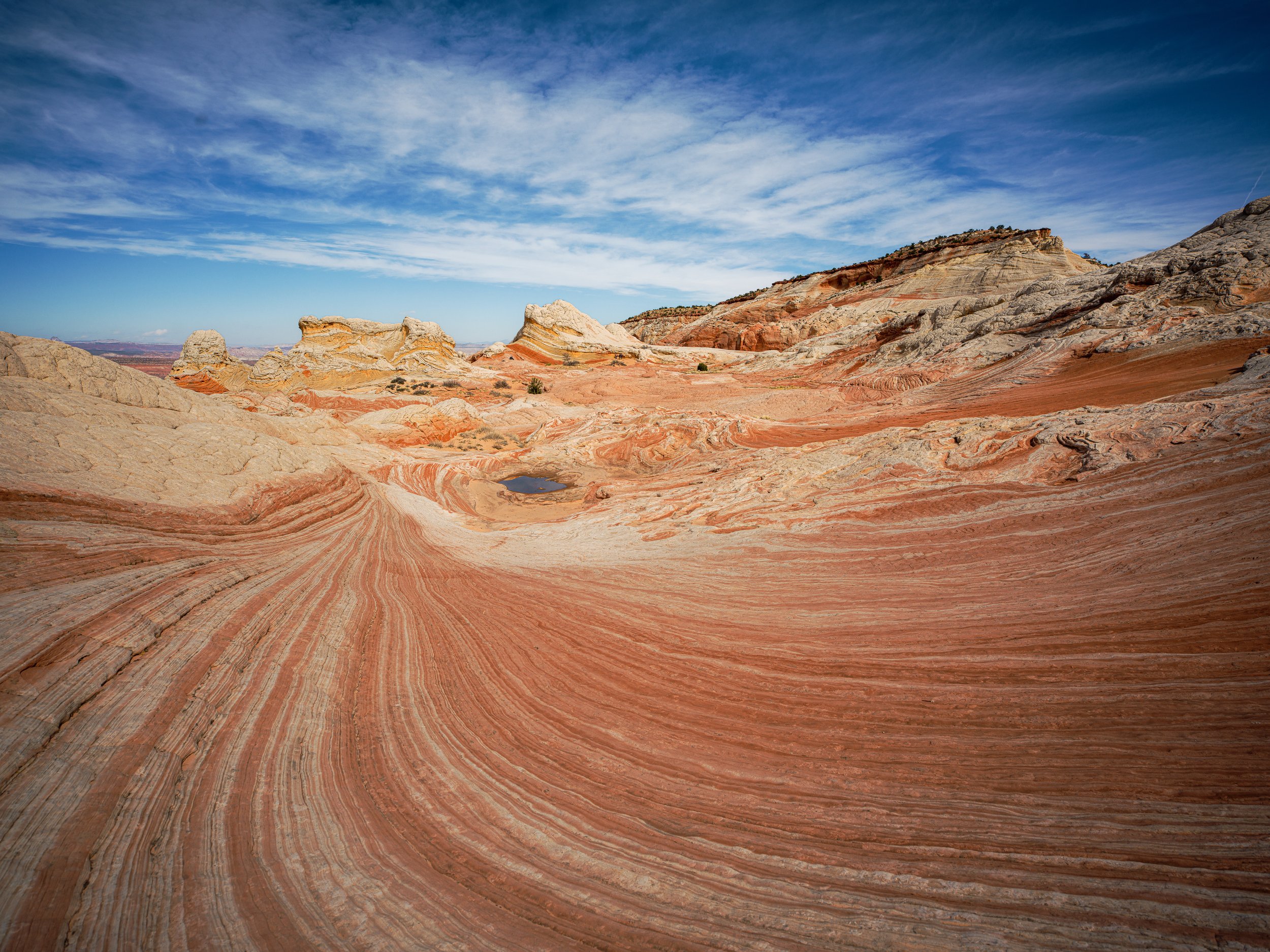
White Pocket, Arizona
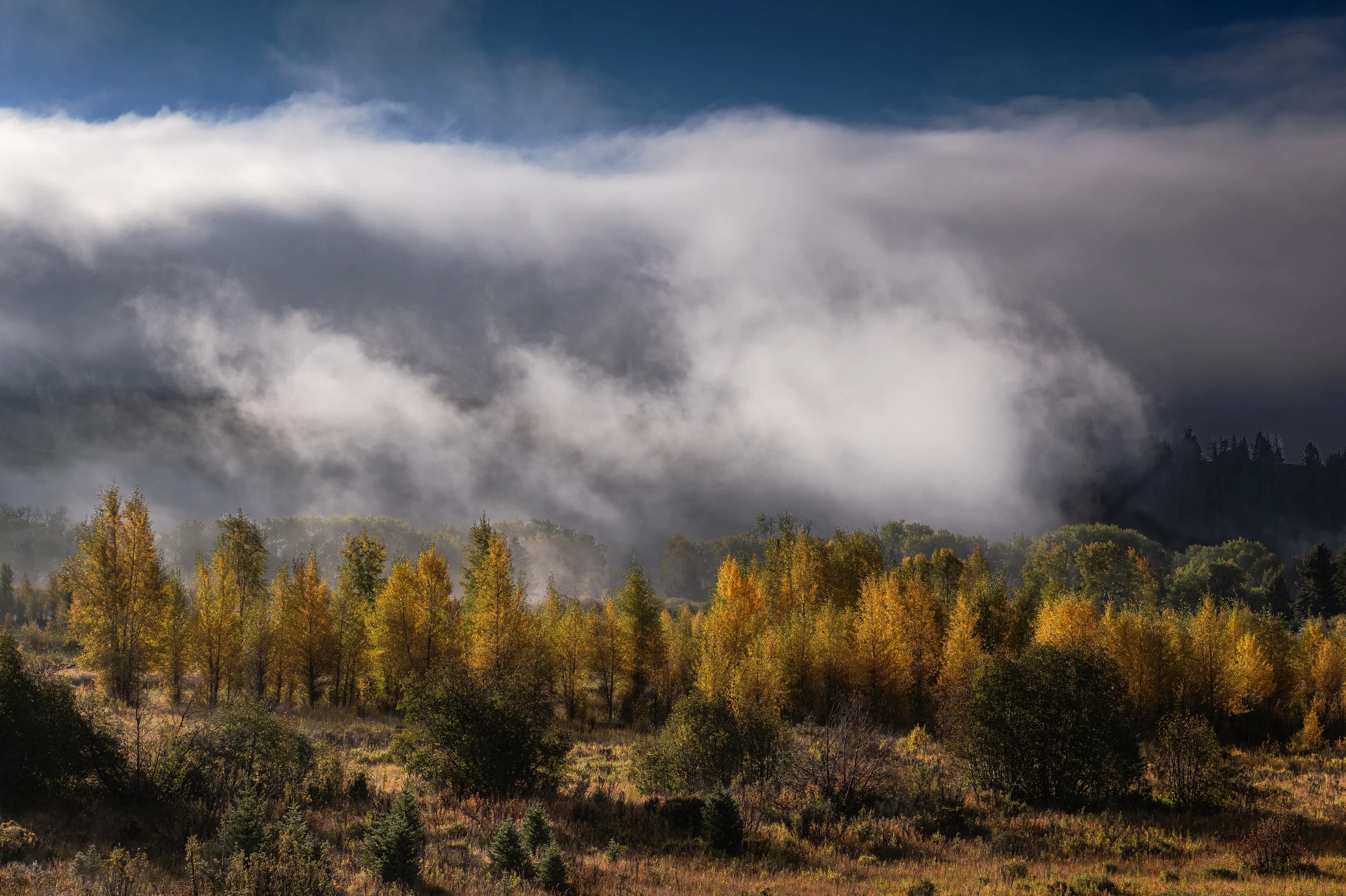
Along the Gros Ventre River, Wyoming
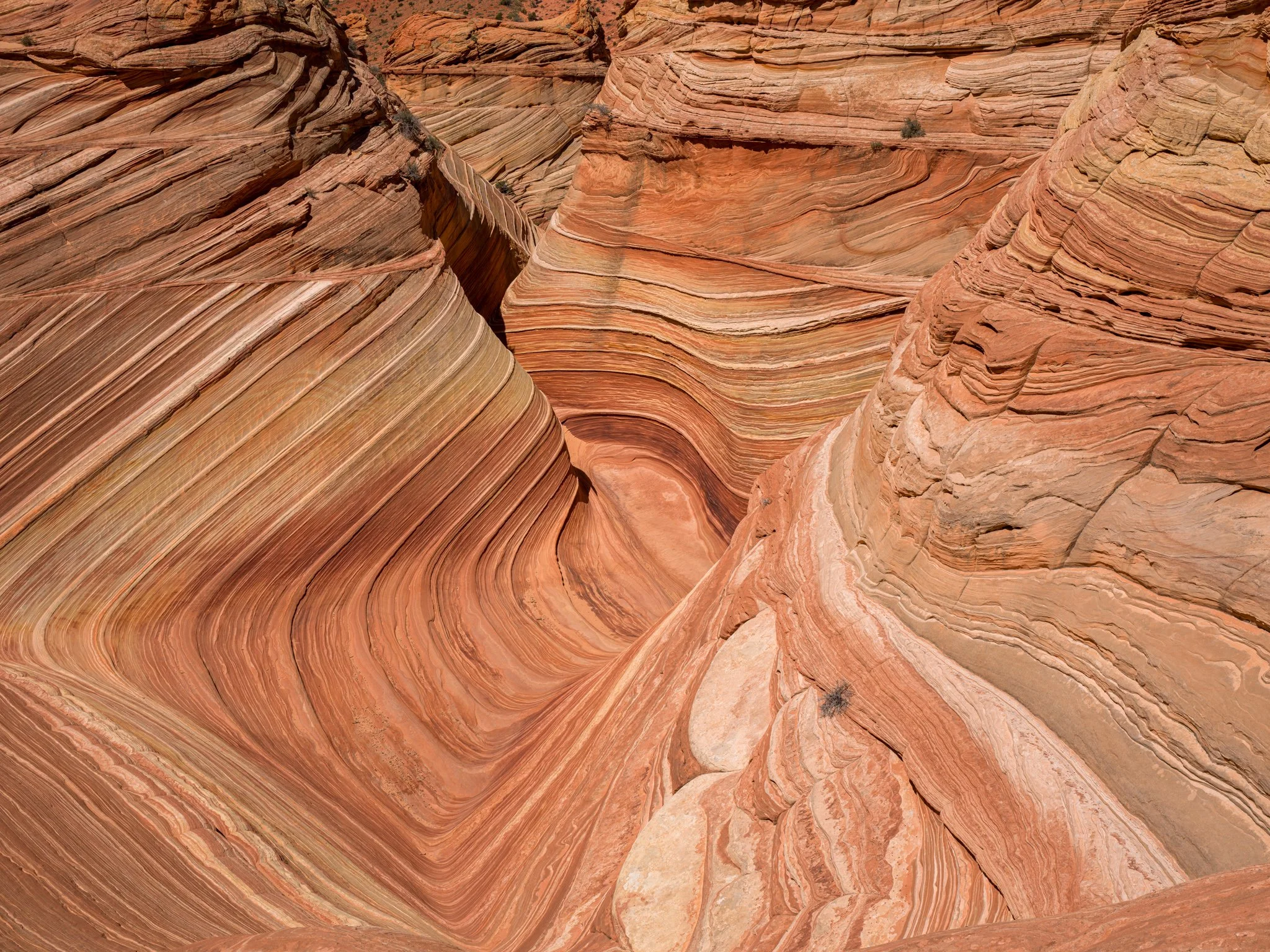
The Wave, Vermillion Cliffs NM, AZ
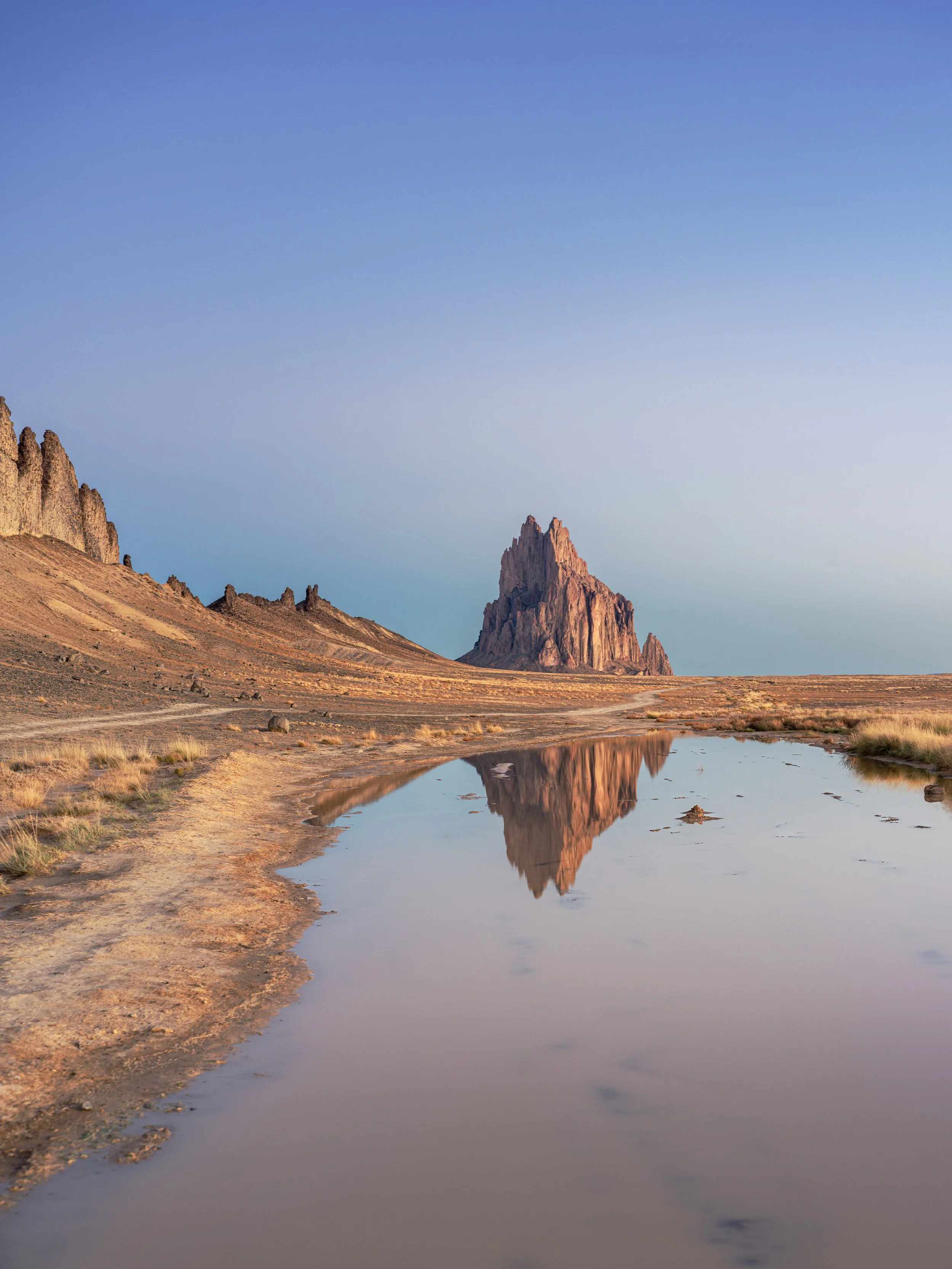
Shiprock, Navajo Nation
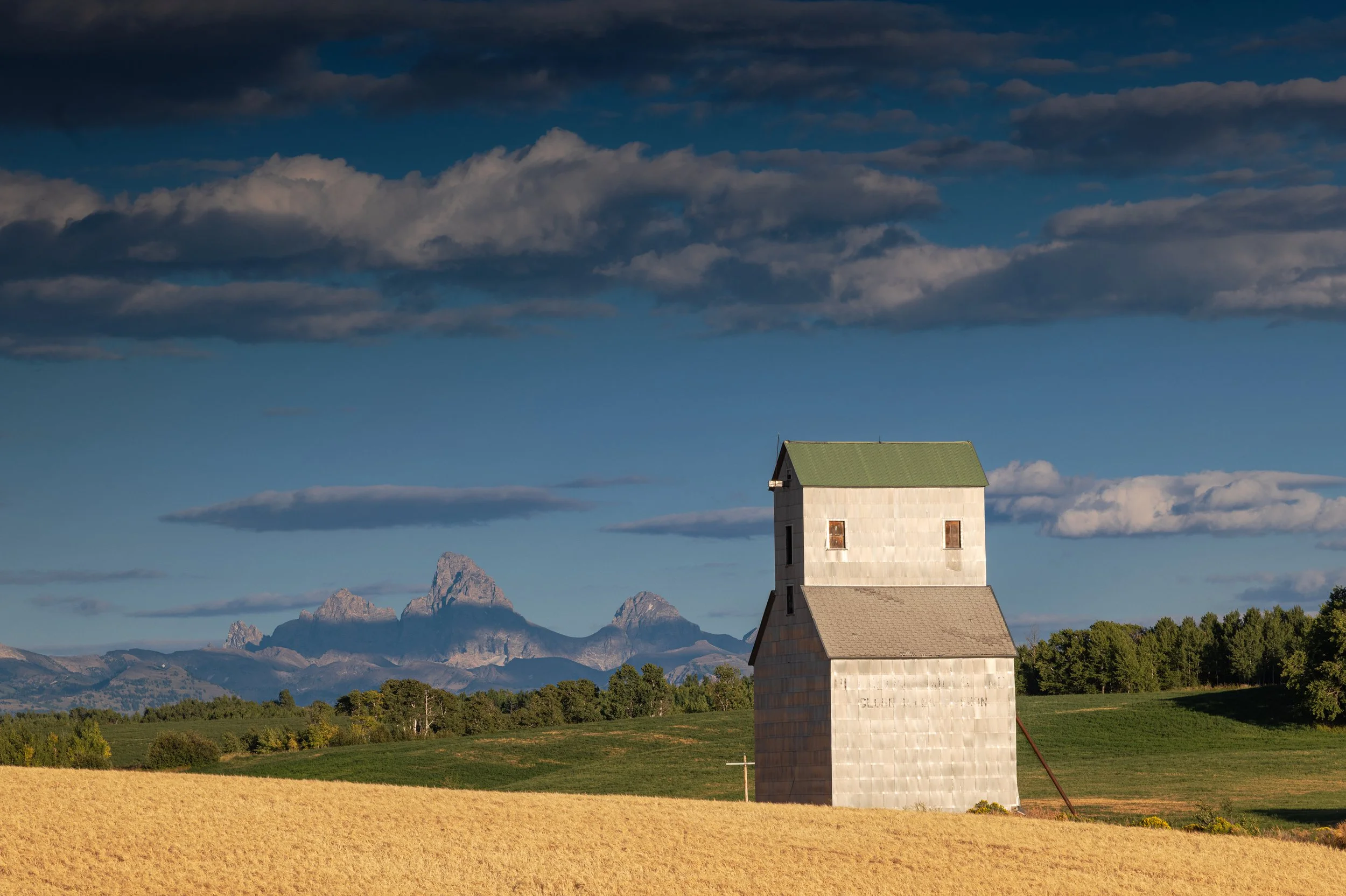
Fields of Eastern Idaho

Monument Valley, from Hunt's Mesa
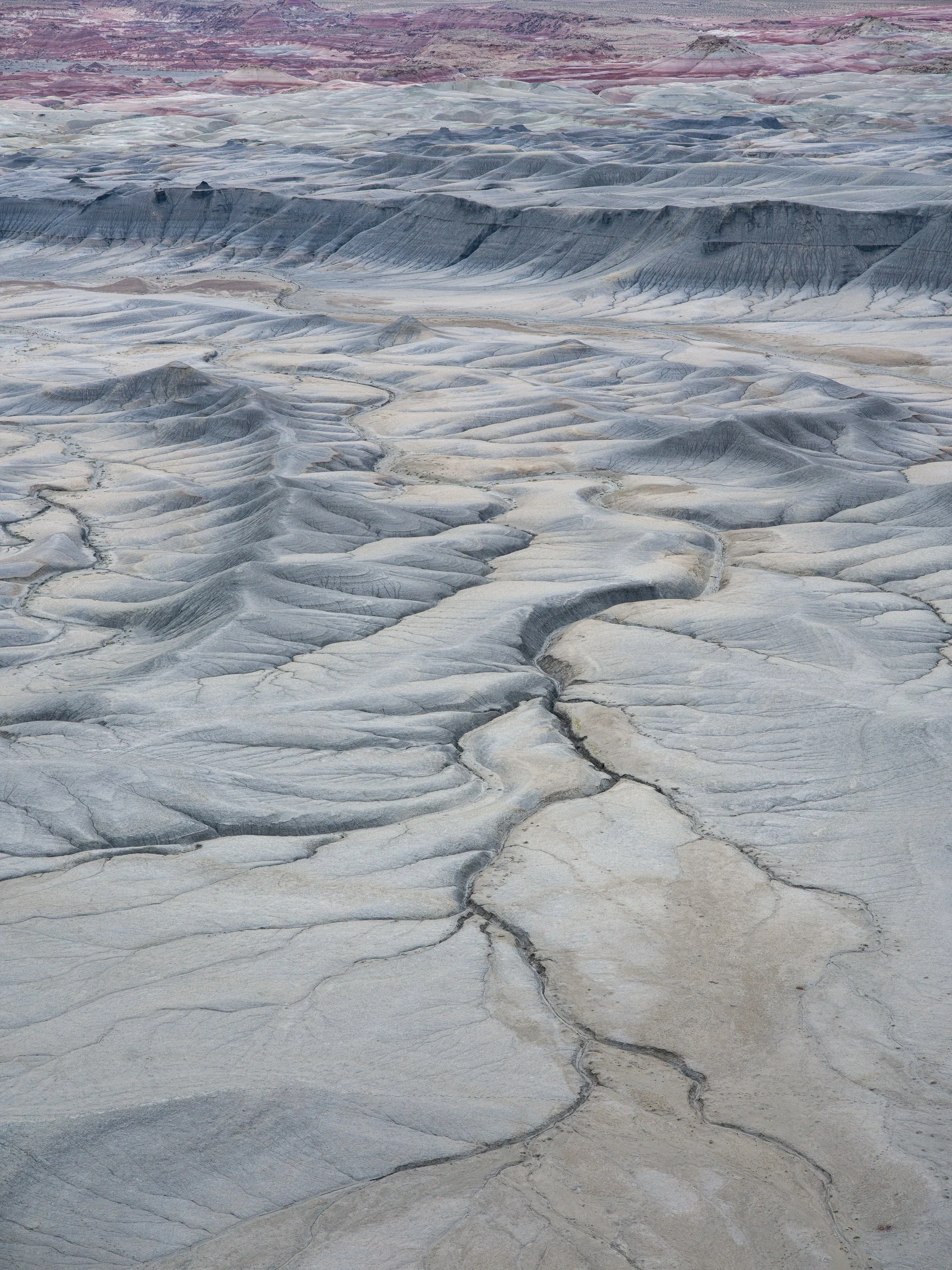
The Overlook, Utah

50-Mile Canyon
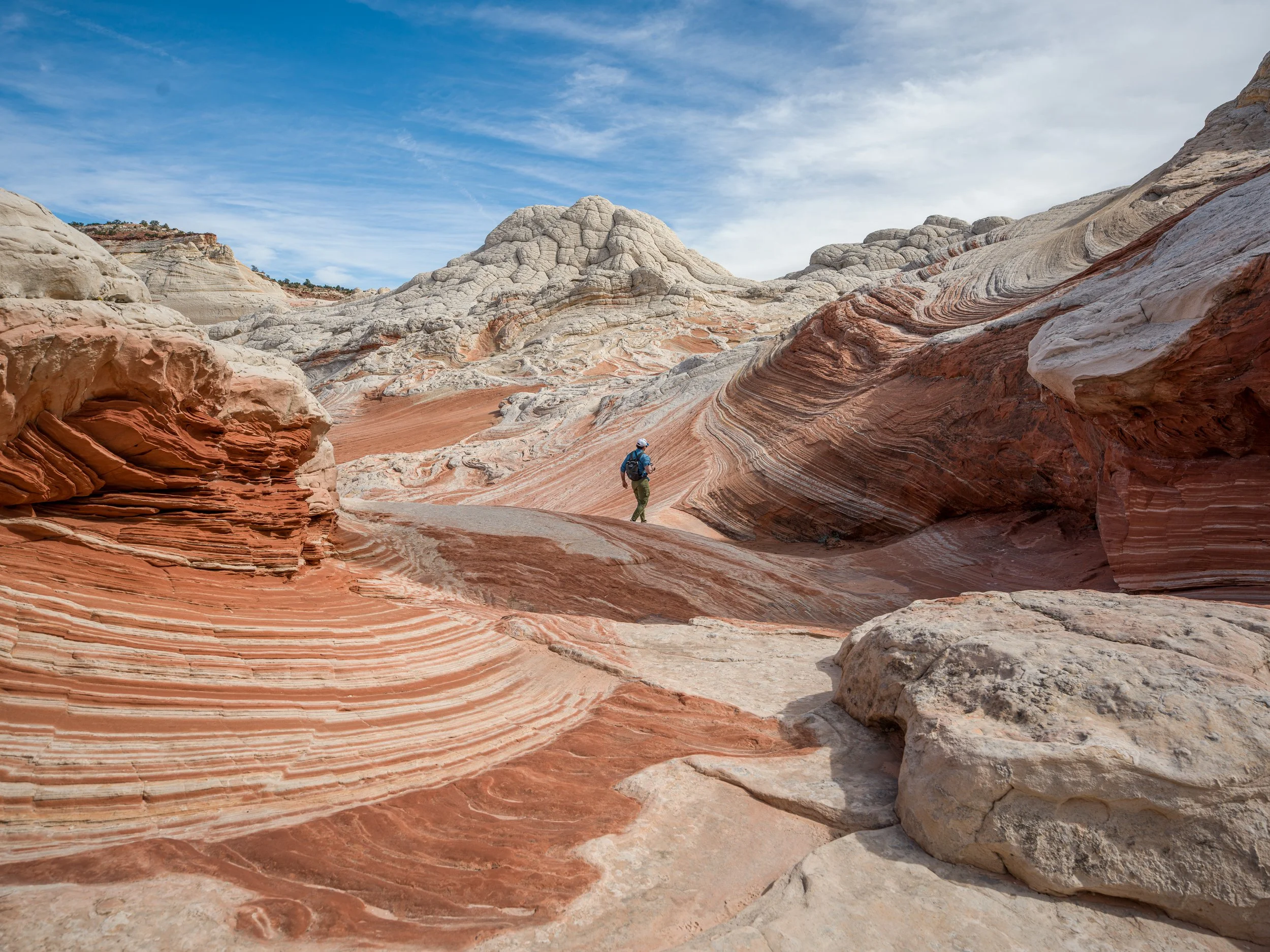
White Pocket, Arizona
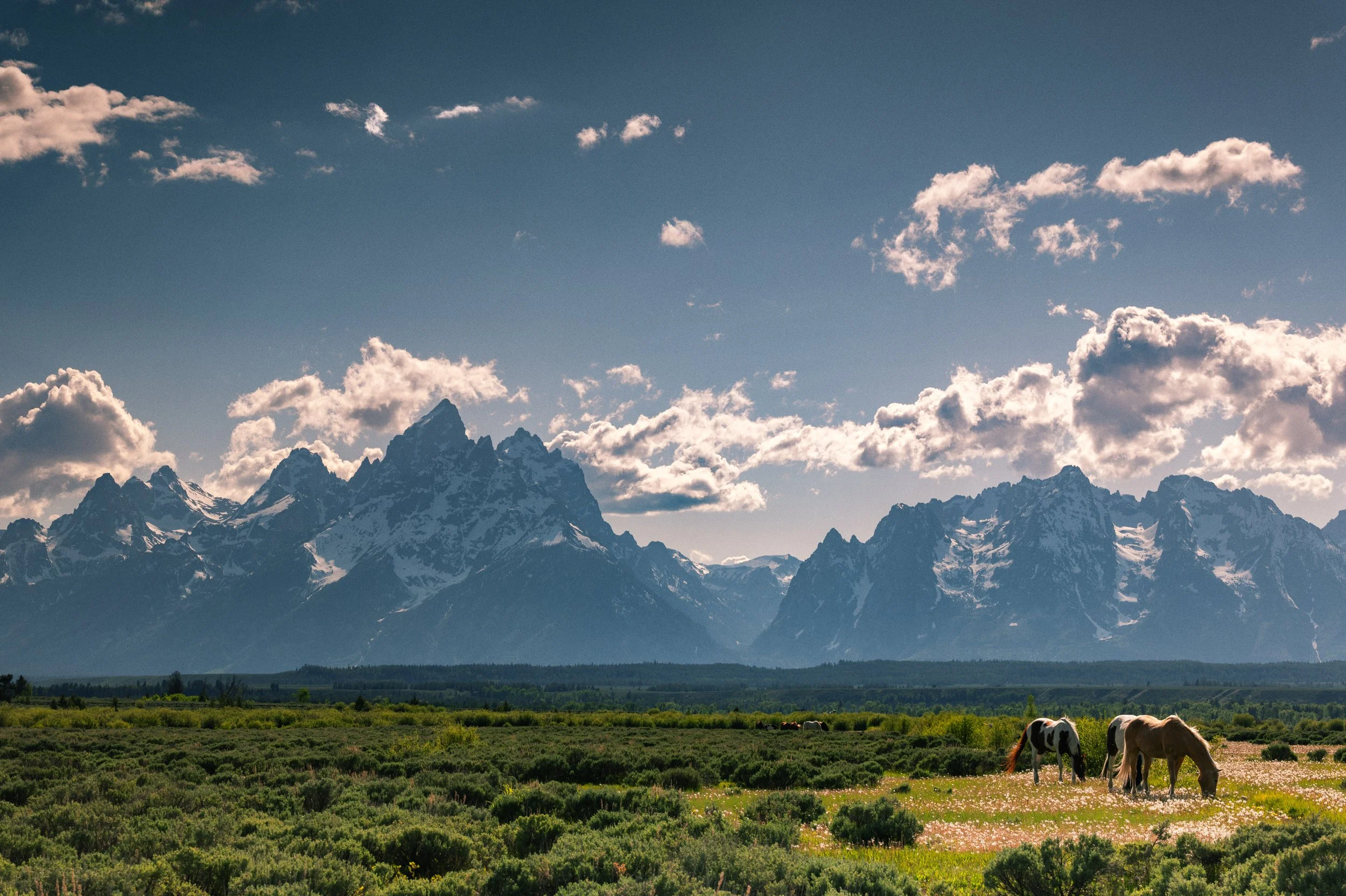
Grand Teton National Park
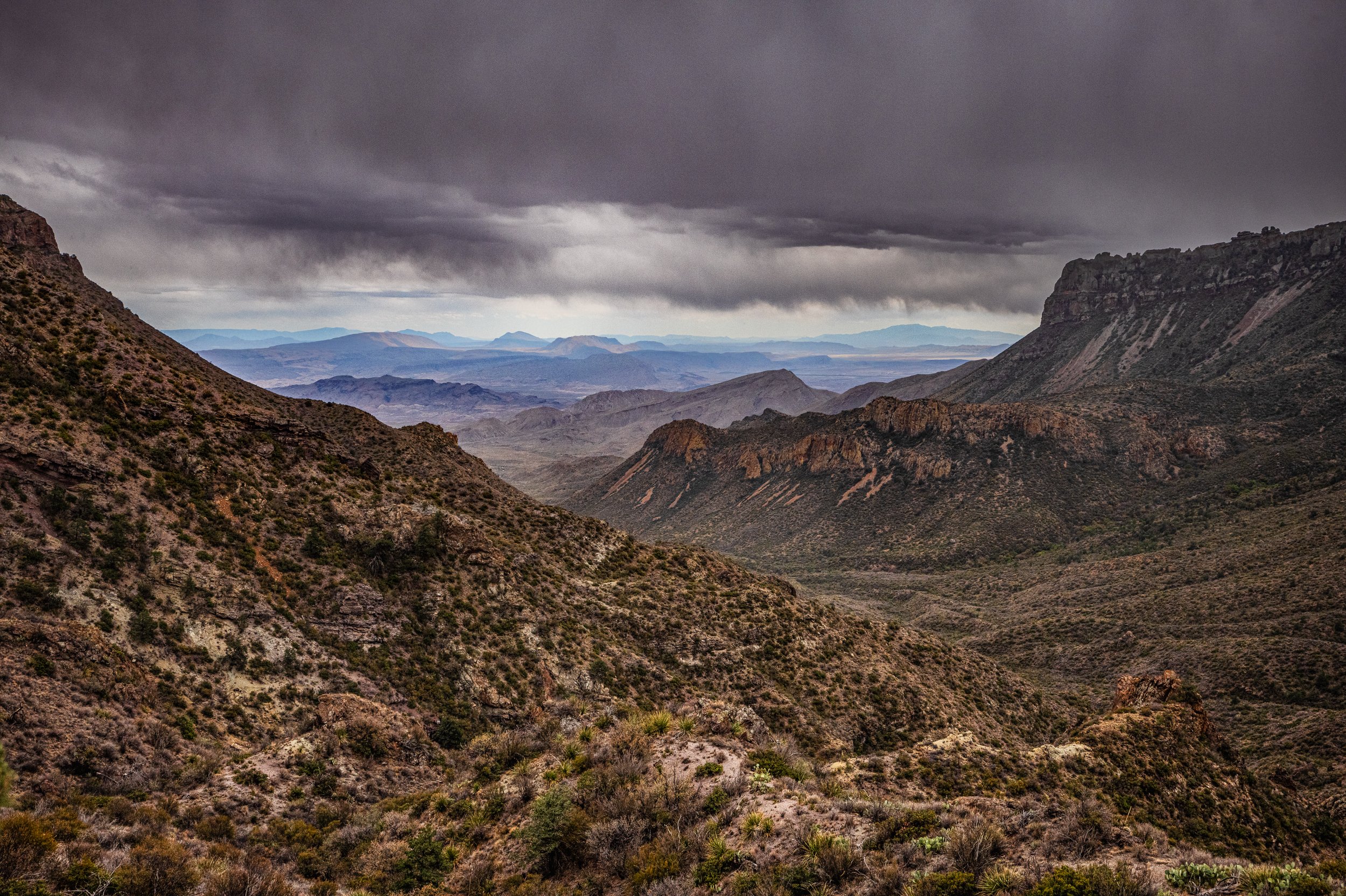
Big Bend National Park, Texas
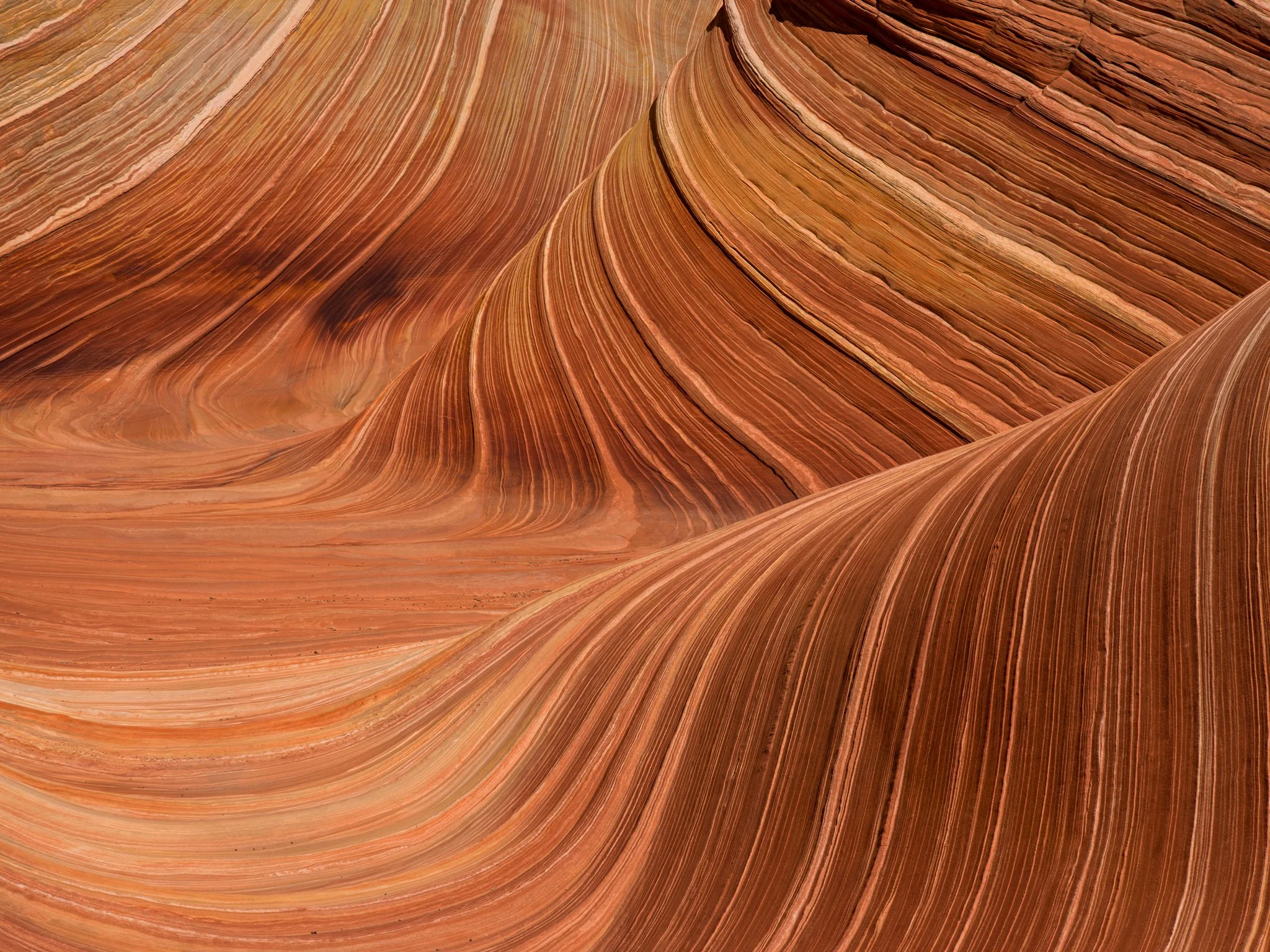
The Wave, Vermillion Cliffs NM, AZ
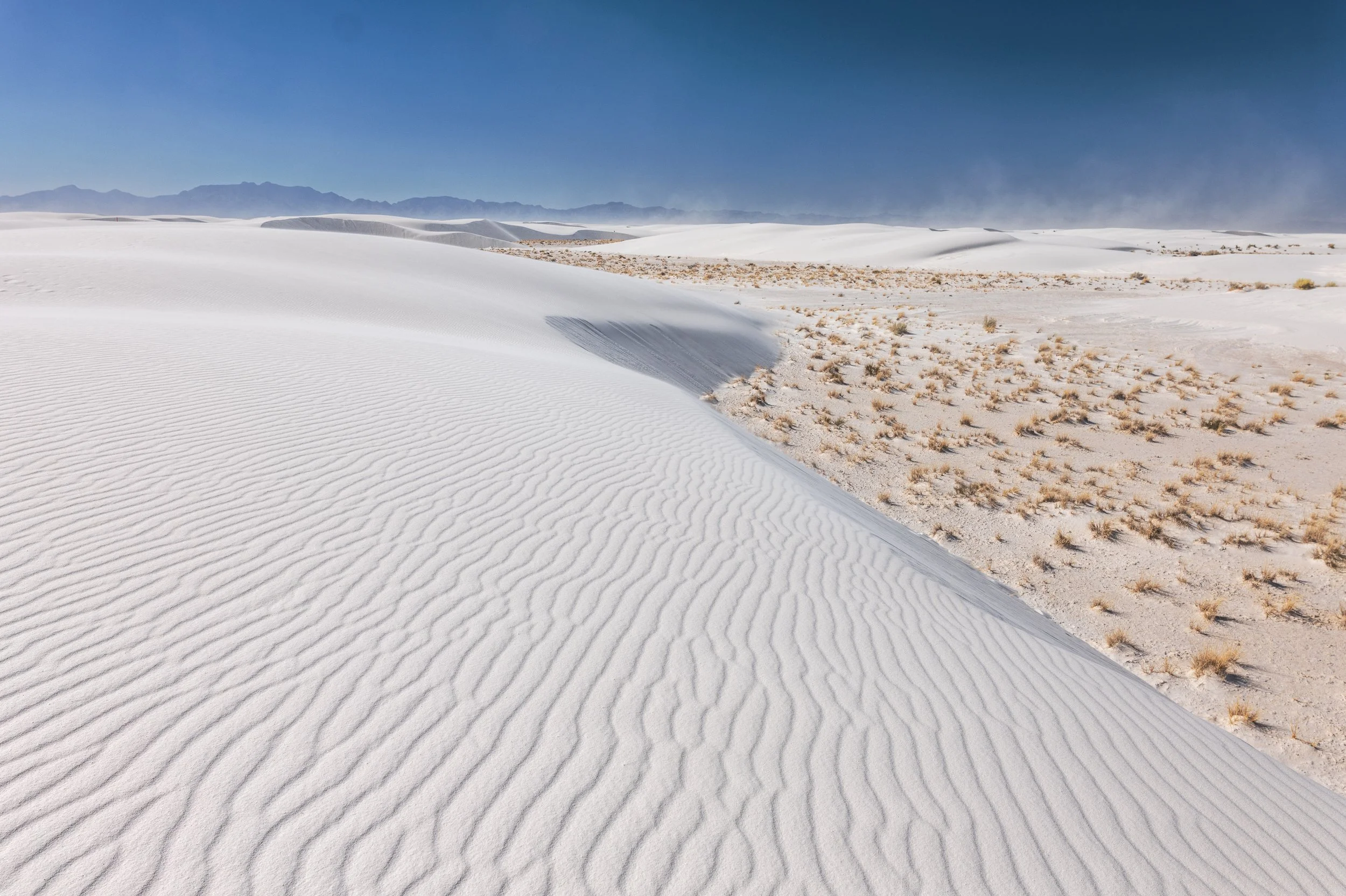
White Sands National Park, New Mexico
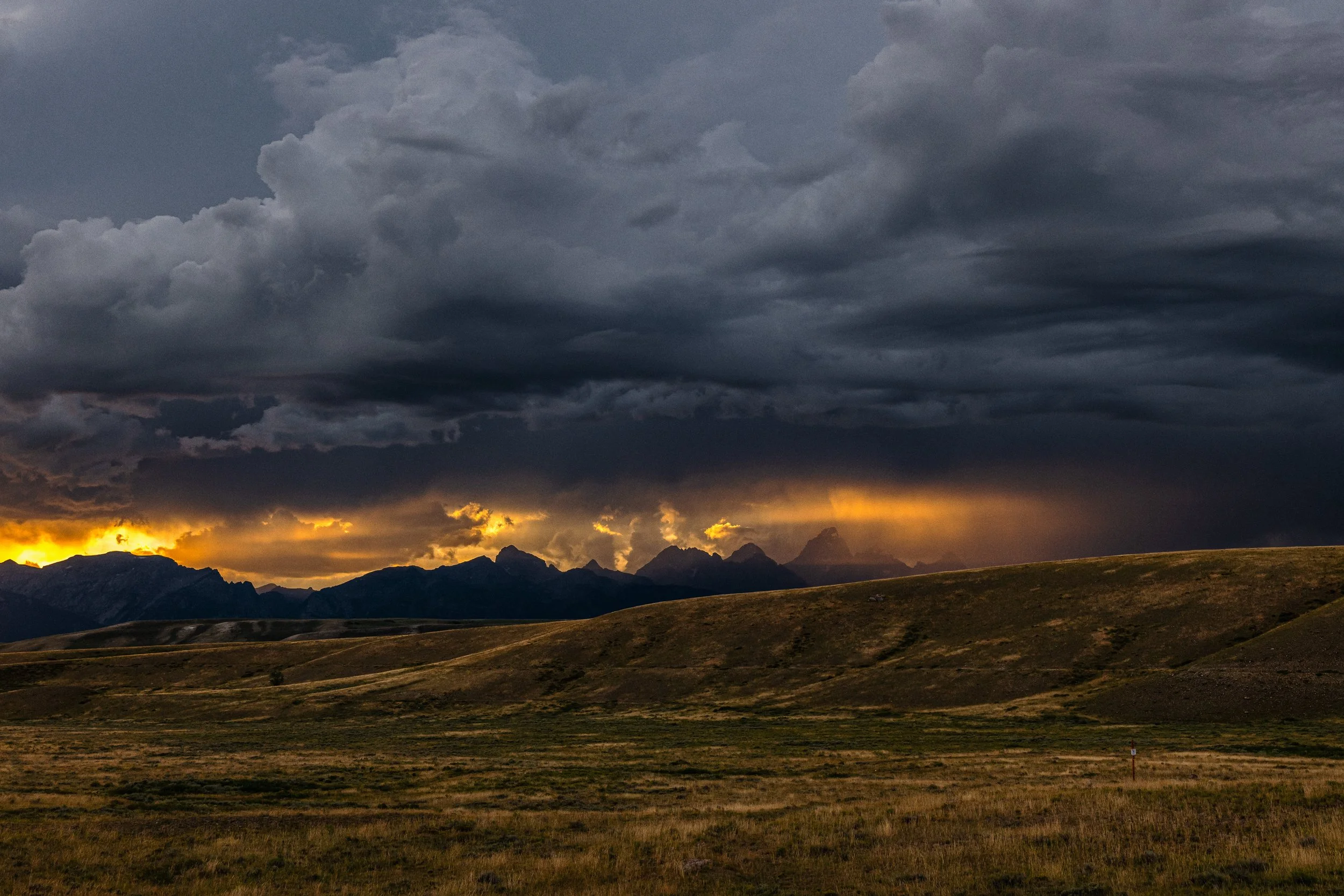
Grand Teton National Park, Wyoming
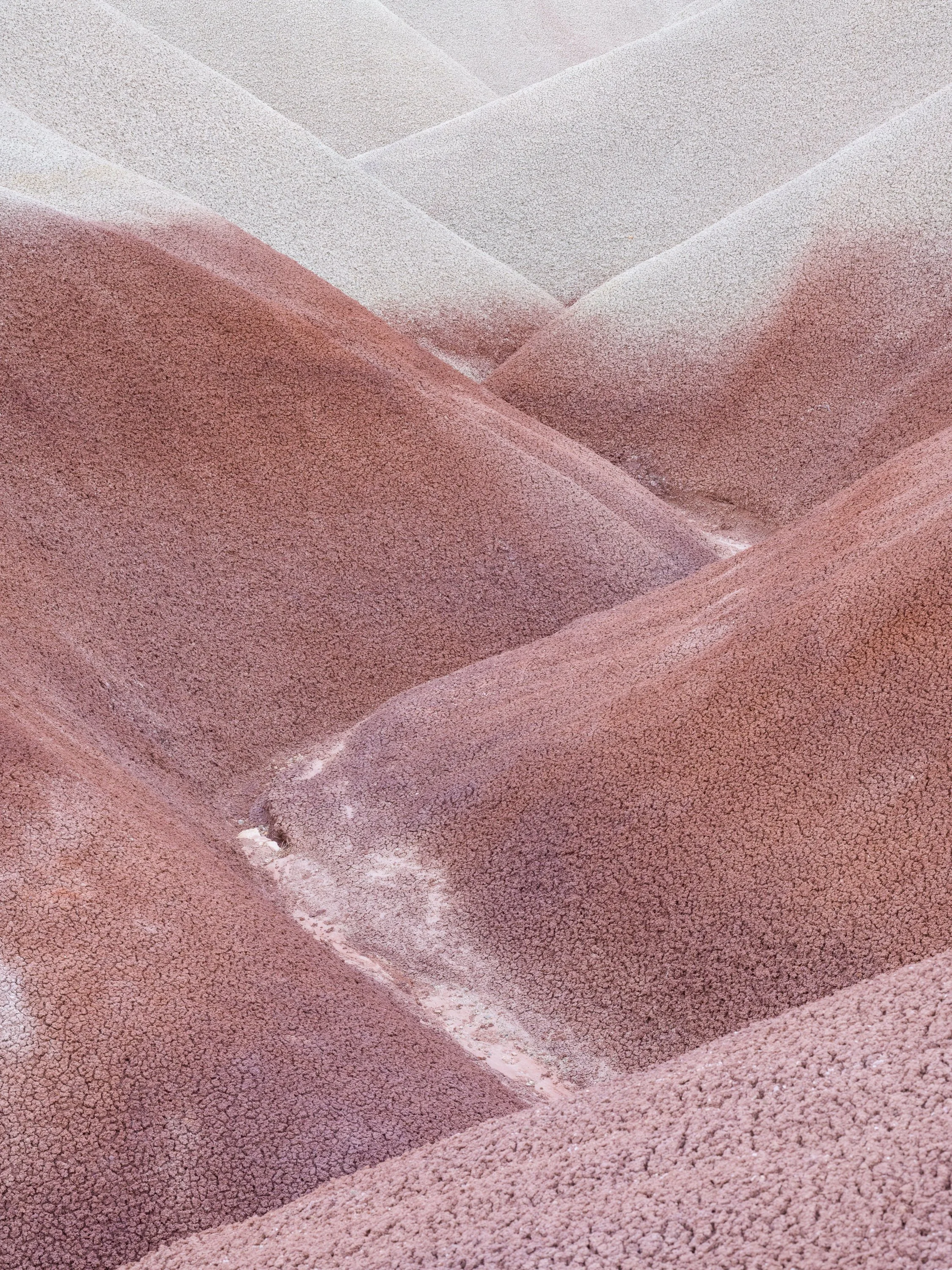
Bentonite Hills, Caineville, Utah
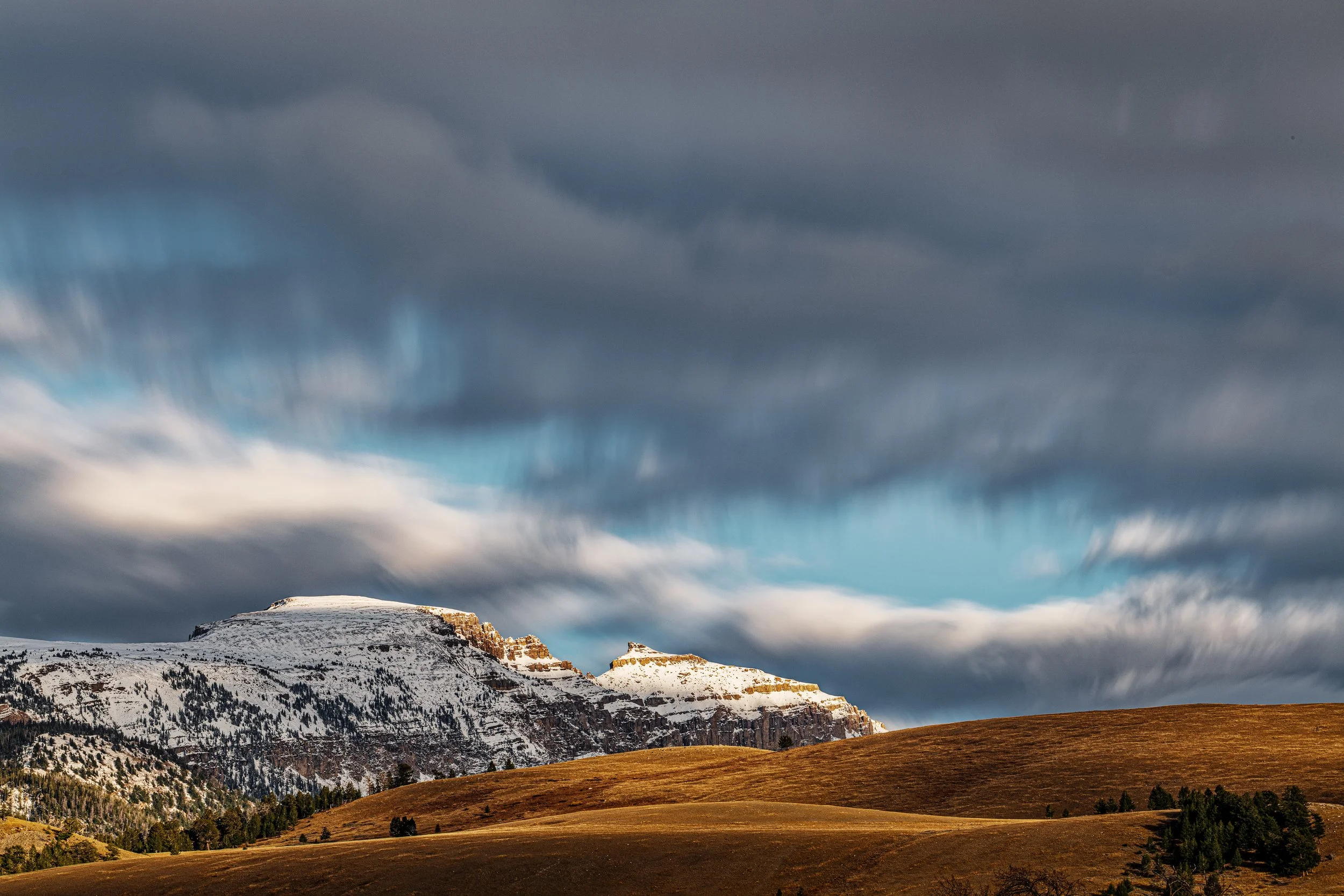
The Sleeping Indian, Wyoming