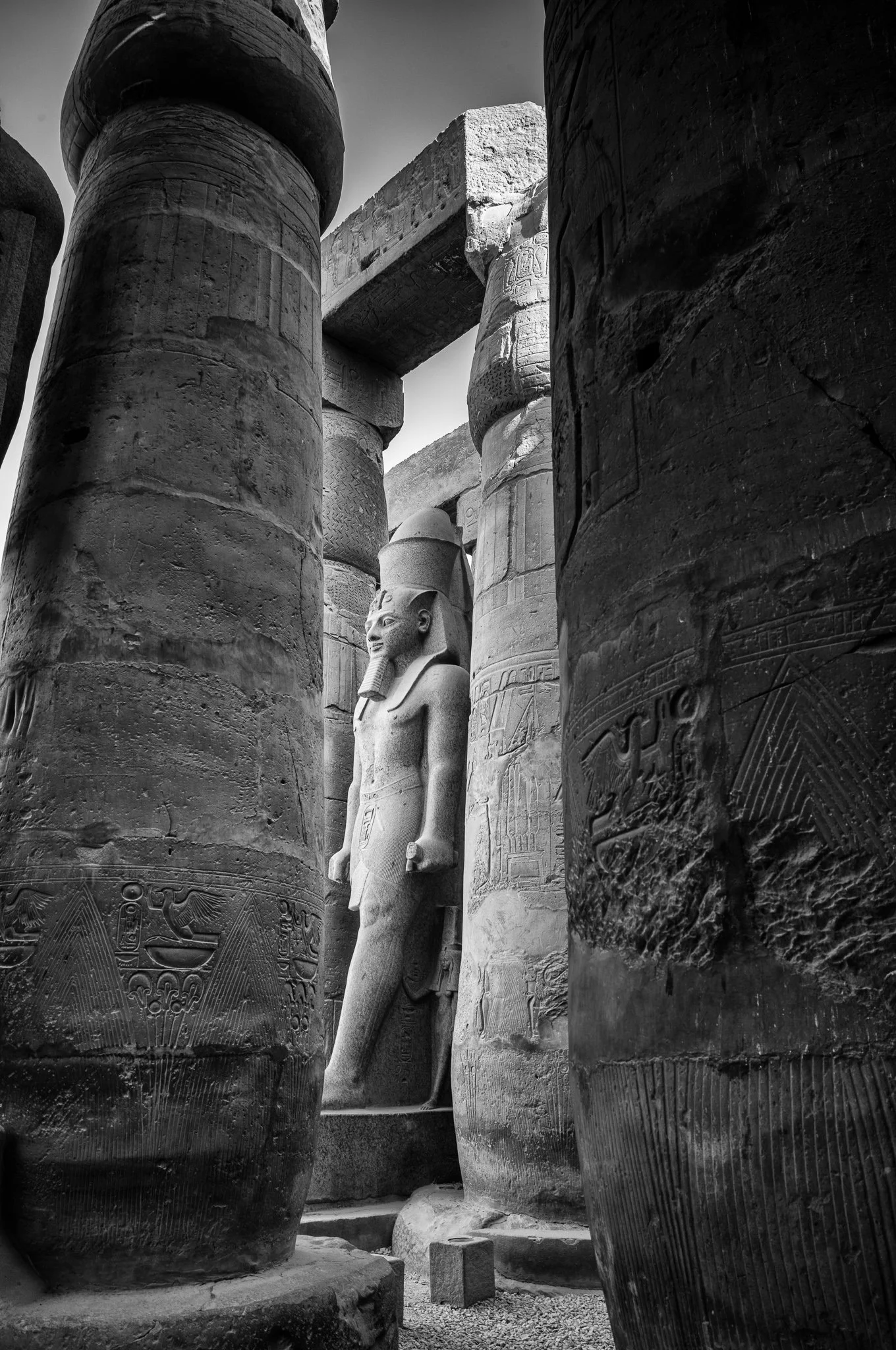
Egypt: Ancient and Modern
For years, my family has approached trips to distant lands as a form of time travel. We’ve visited Ancient Rome, Mayan ruins, and peeled layers of Berlin — leaving the comfort of home to dwell in other worlds, physical and temporal. On trips to Angkor, to the Buddha’s Deer Park in Sarnath, at Machu Picchu, my imagination has seemed to travel a greater distance than my body. Going to Egypt, though, was like visiting a different planet.
Egypt is ancient and modern; on a journey up the timeless Nile, just beyond bullrushes that could have hidden the baby Moses, a modern train is seen to scream between cities. In Giza, with pyramids built nearly 5000 years ago visible through enormous windows, we were immersed in the world’s newest, and possibly greatest, museum. The time scale in Egypt is like no place on Earth. If it really is on Earth.
From the giant sculptures of gods and pharaohs at Abu Simbel so close to ancient Nubia, to the Sphinx and Great Pyramid just outside of modern (and ancient) Cairo, we traveled not in miles but millennia. You may think of floating down the river — but to go with the Nile’s flow is to head backward in time, as the Pyramids outside Cairo, where we finished up, were built 1000 years or more before our first stop, in Abu Simbel. From Aswan to Luxor, Edfu to Esna, each distinct period of Ancient Egypt we saw shaped the hieroglyphs, and the hierarchy of the gods. Roughly a moment ago, in a scheme of things as grand as the pyramids themselves, Caesar and Marc Antony consorted, seriatem, with the Egypt of Cleopatra. That is, Cleopatra VII. There were six before her. Six.
My camera was at times a mere tool to record art created five millennia ago. But it also found opportunities to document people in the streets of Aswan and Cairo. There was the vivid if static remains of a civilization that carved its art on walls, hundreds of feet underground, in tombs built for kings and queens to bridge the permeable membrane between life and death. And there was the energy of Cairene thoroughfares where a city very much alive seemed easygoing if crowded.
All images made with the Hasselblad X2Dii (color) and Leica M11 Monochrom (B&W).
For the second time in a year, we visited a fascinating land with our friends at Classical Excursions. This time, Lani Summerville and Cosmo Brockway were joined by superb guides, including and especially Egyptologist Dr. Arto Belekdanian, who could translate hieroglyphs on the fly. This journey was a privilege to be on. Our minds are thoroughly blown.
Click on pictures to expand.
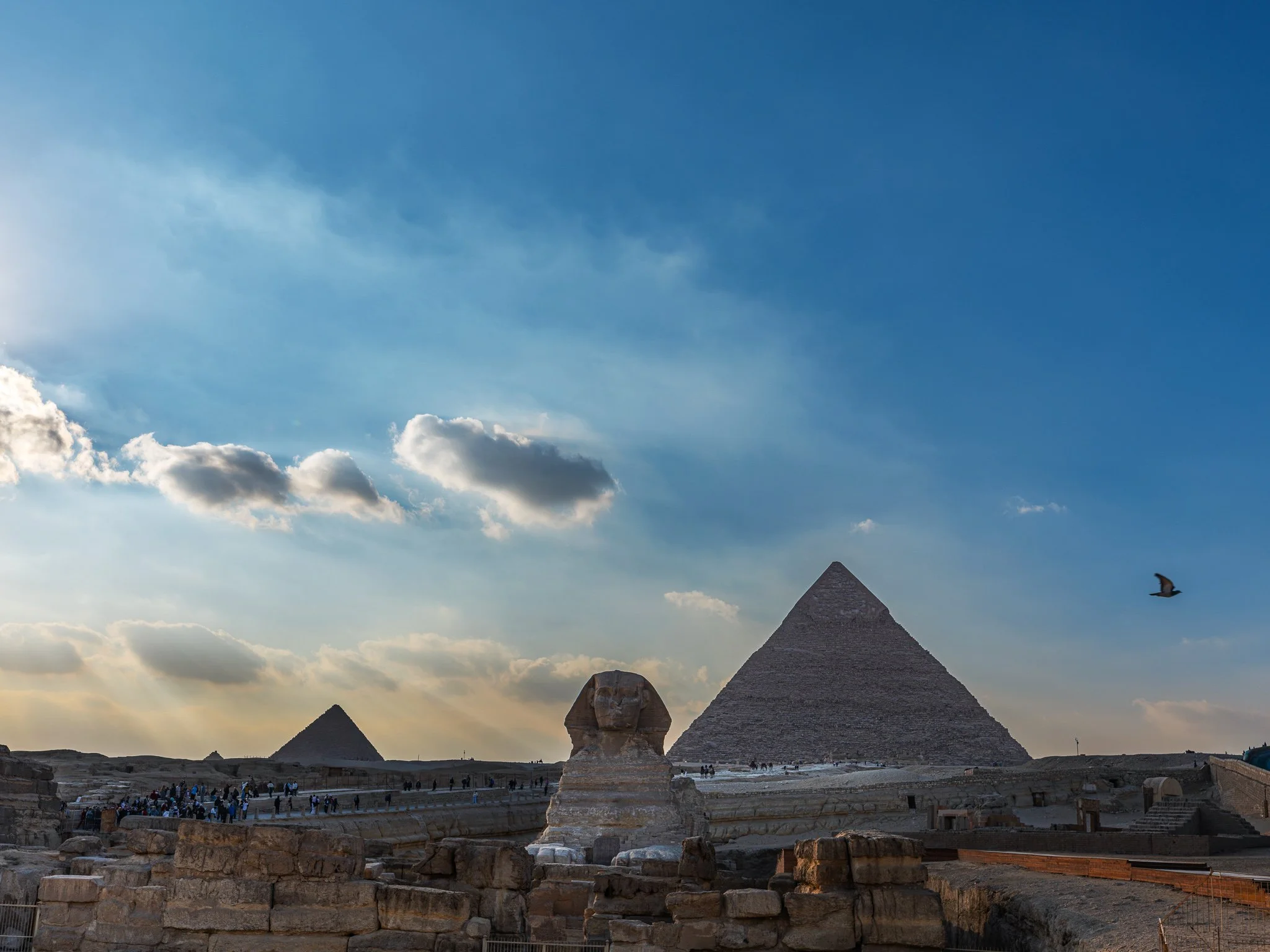
Pyramids and Sphinx, Gisa
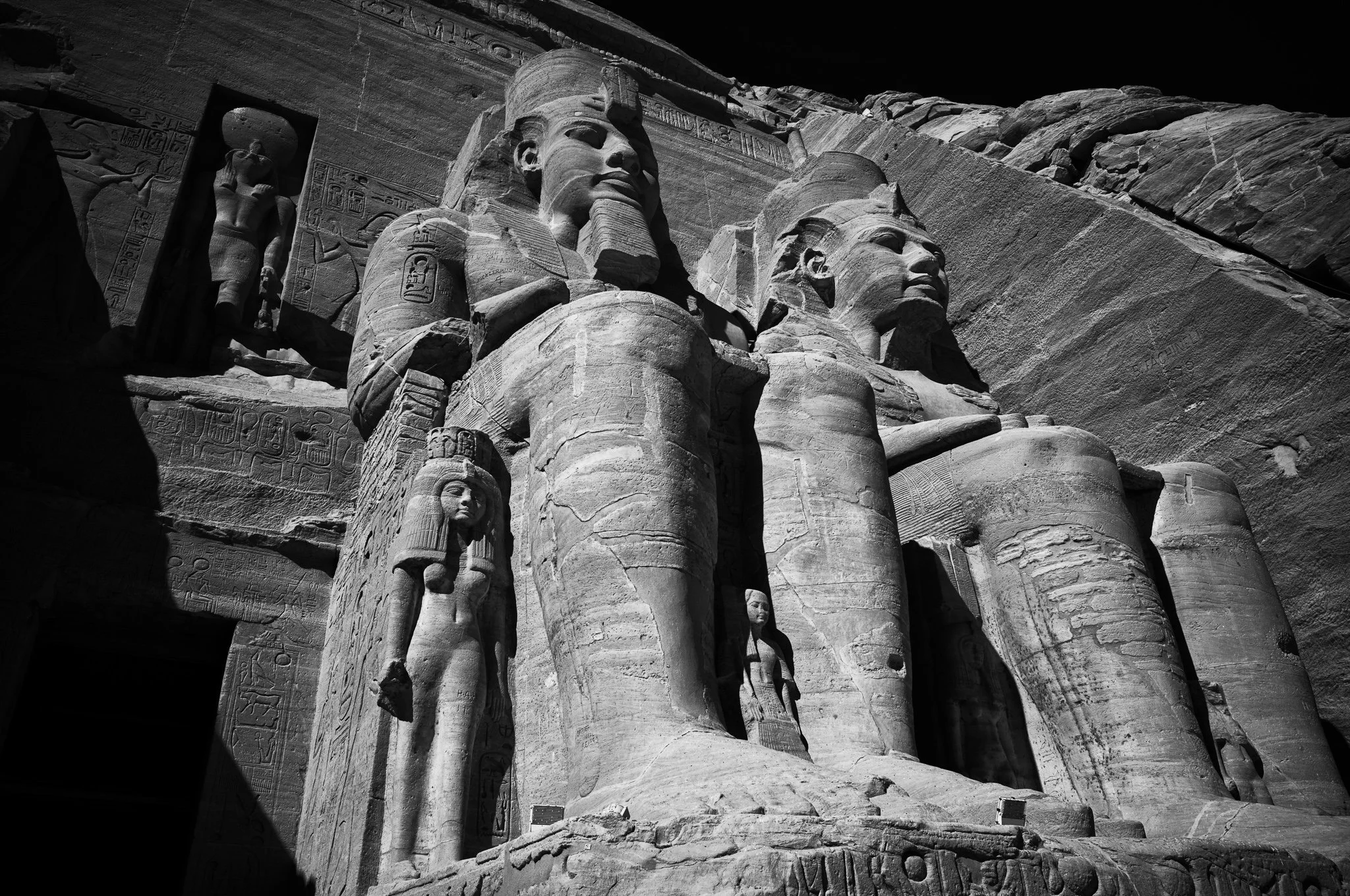
Abu Simbel
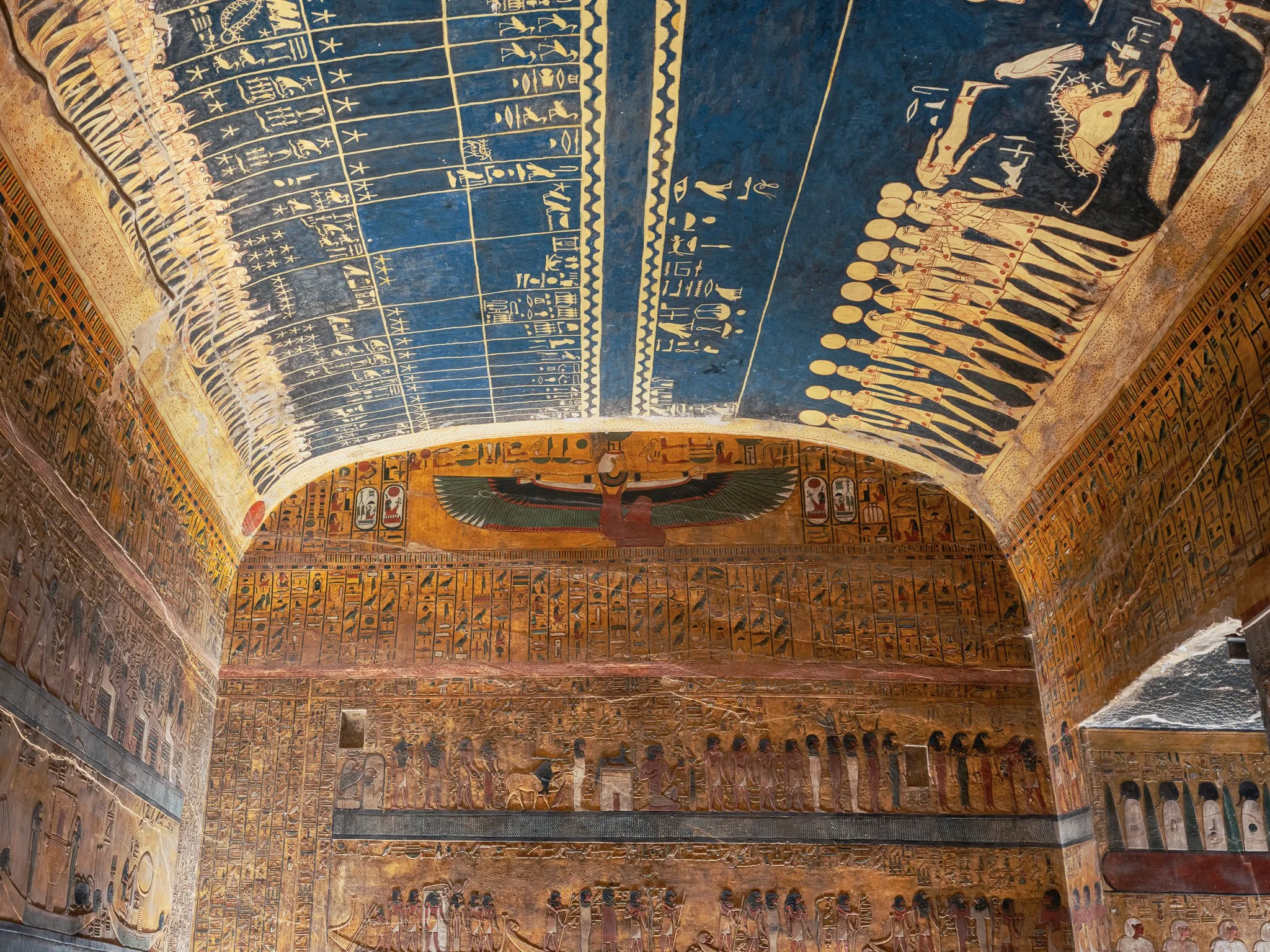
Tomb of Seti I
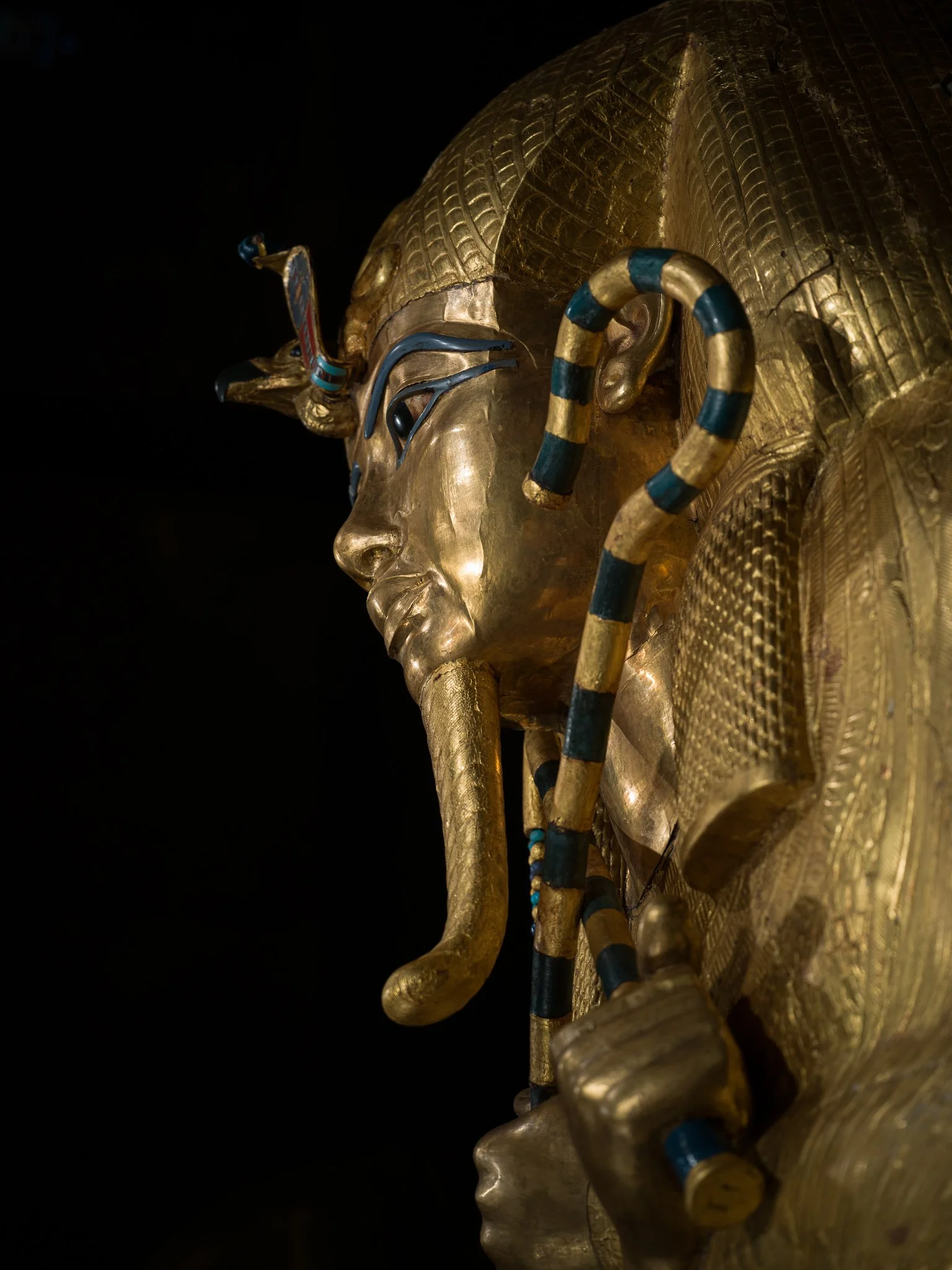
Tutankhamen, Grand Egyptian Museum (GEM)
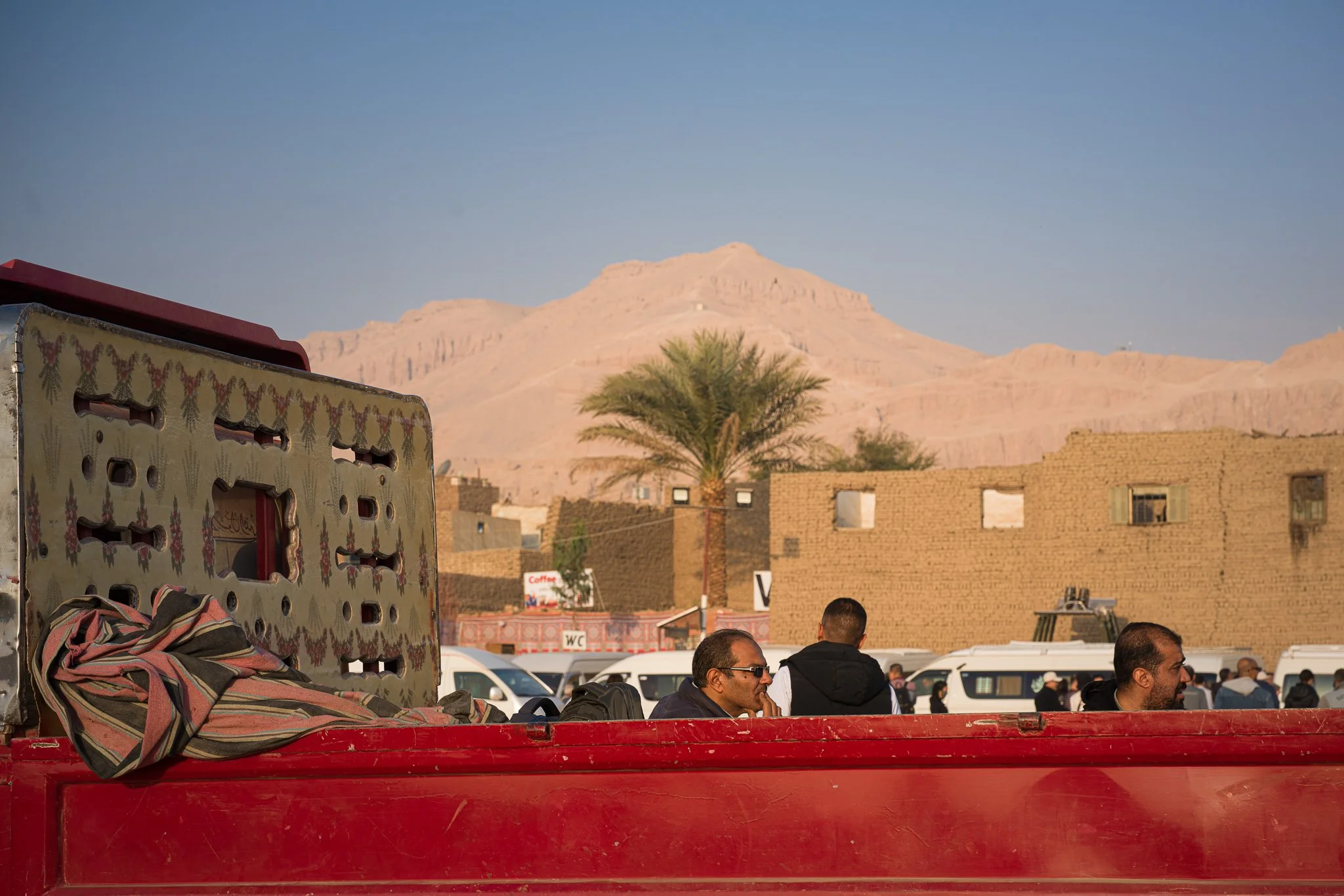
Luxor
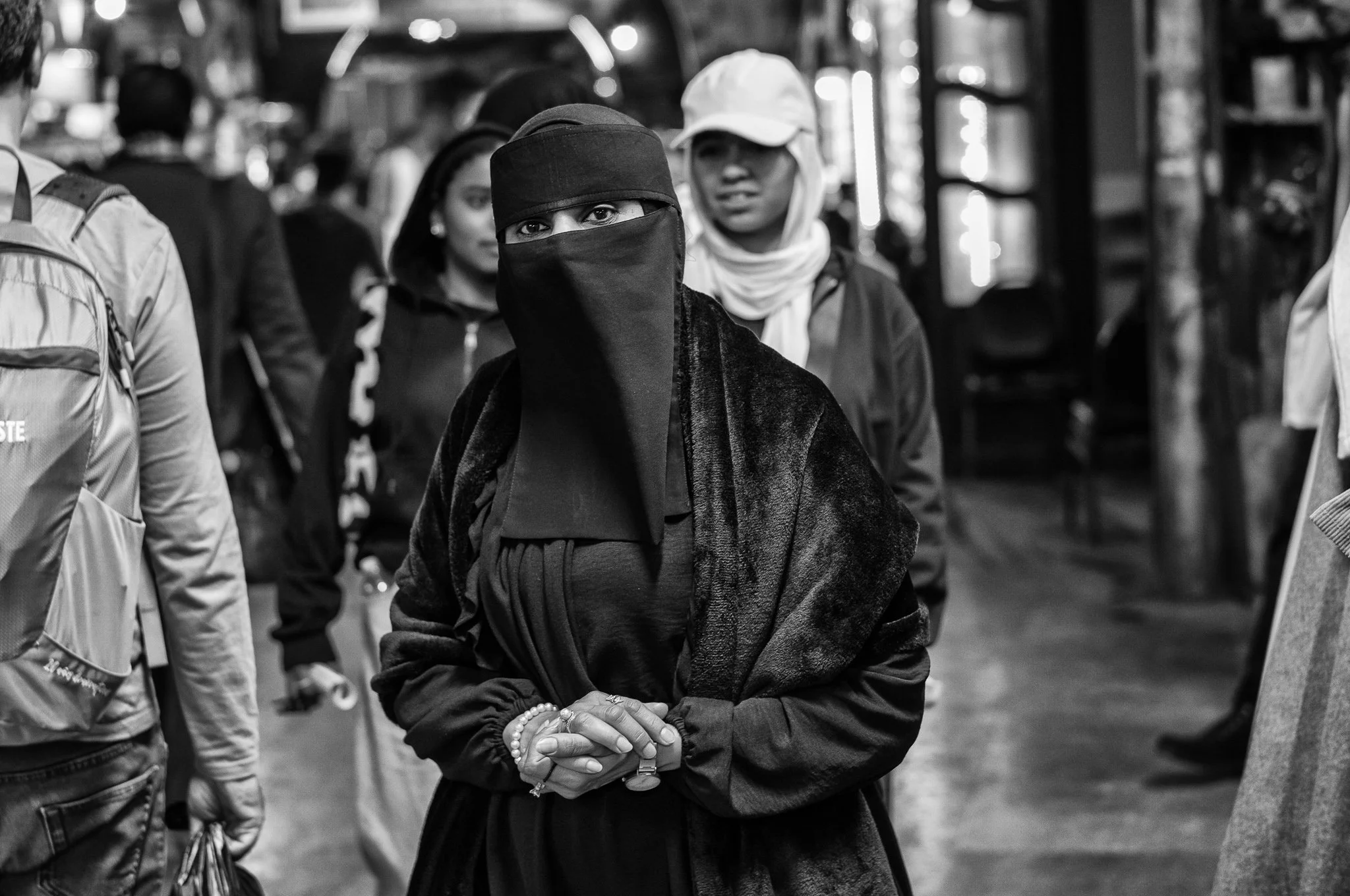
Aswan street scene
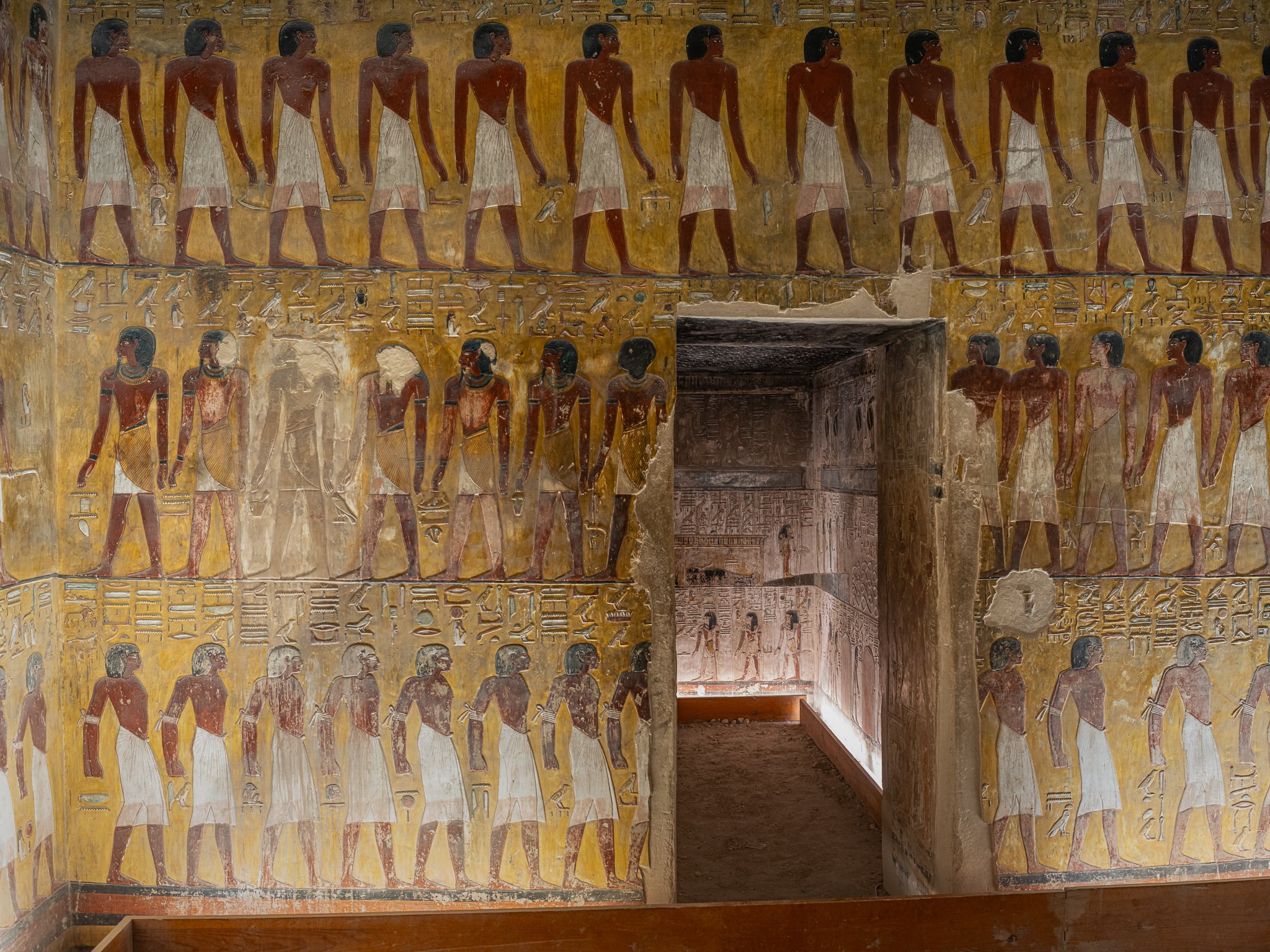
Tomb of Seti I
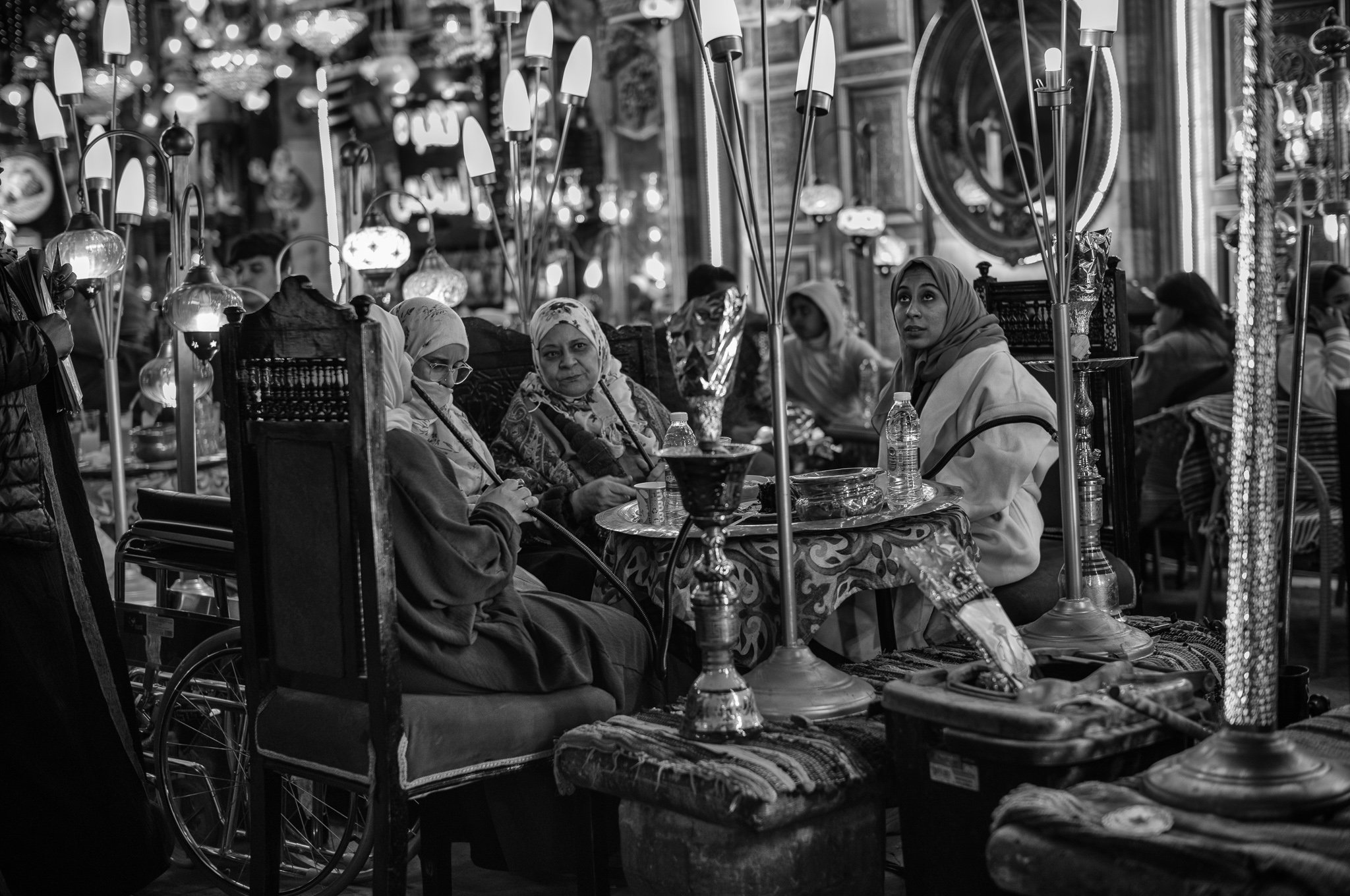
Cairo street scene
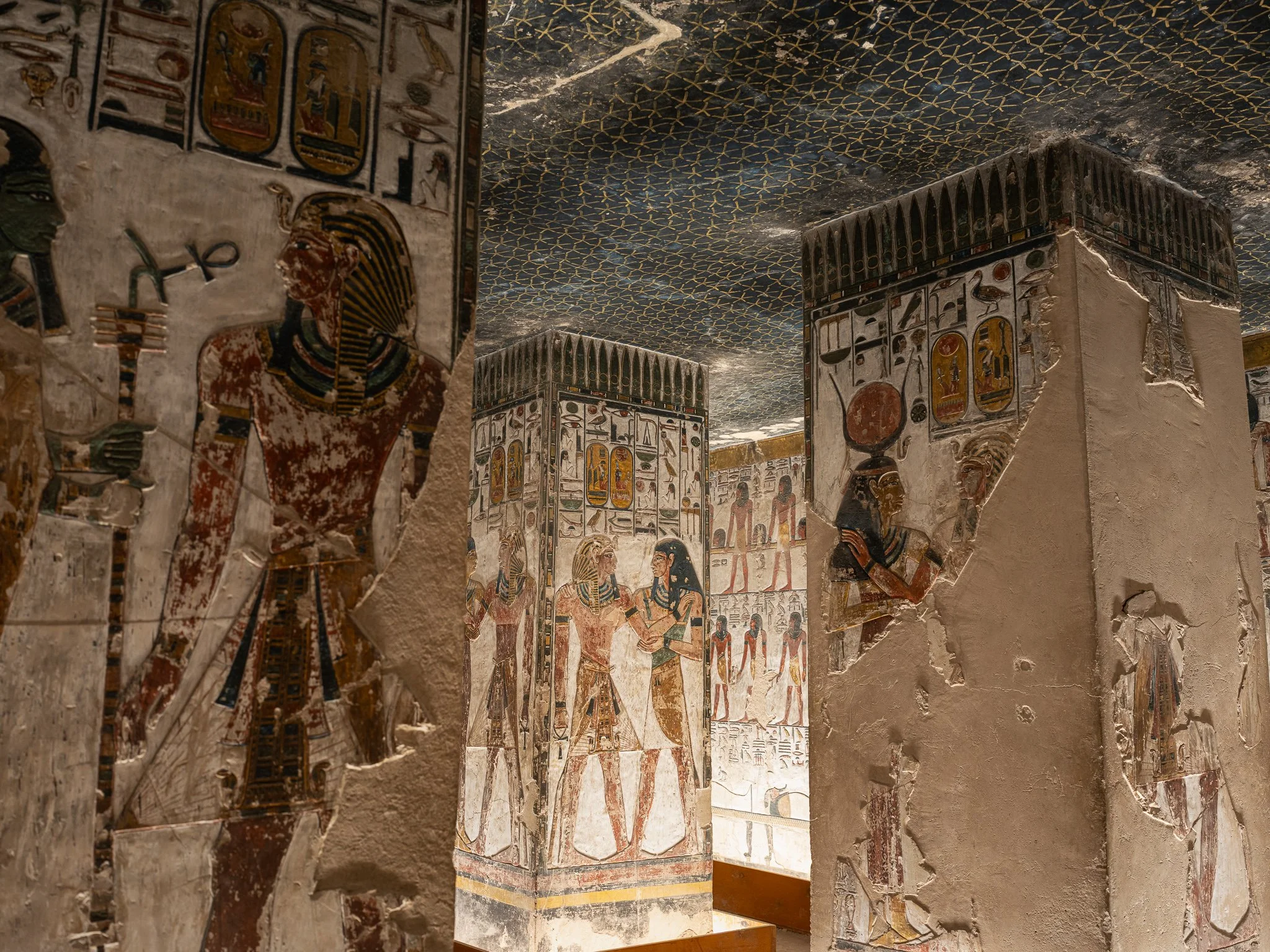
Tomb of Seti 1
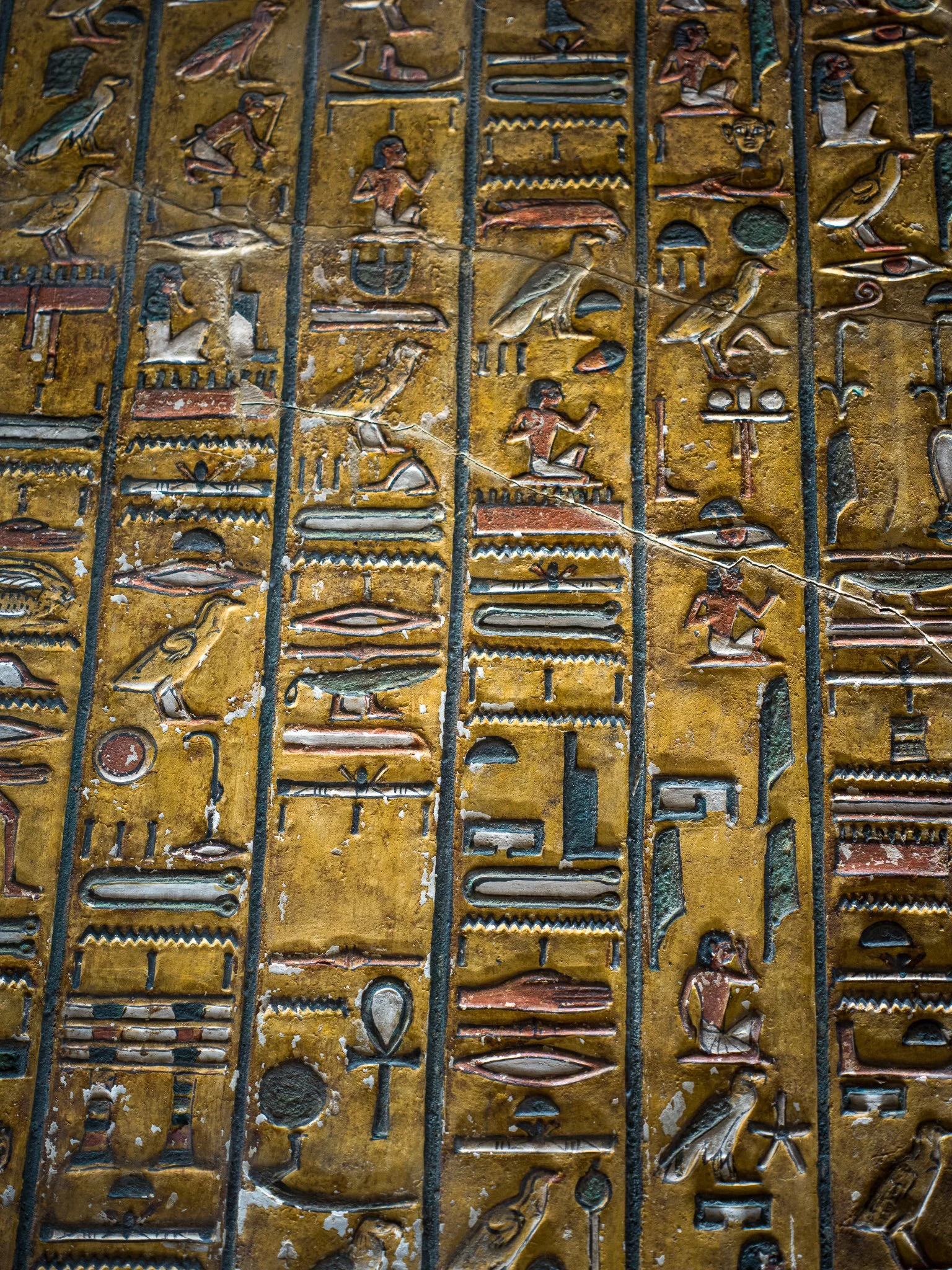
Tomb of Seti I
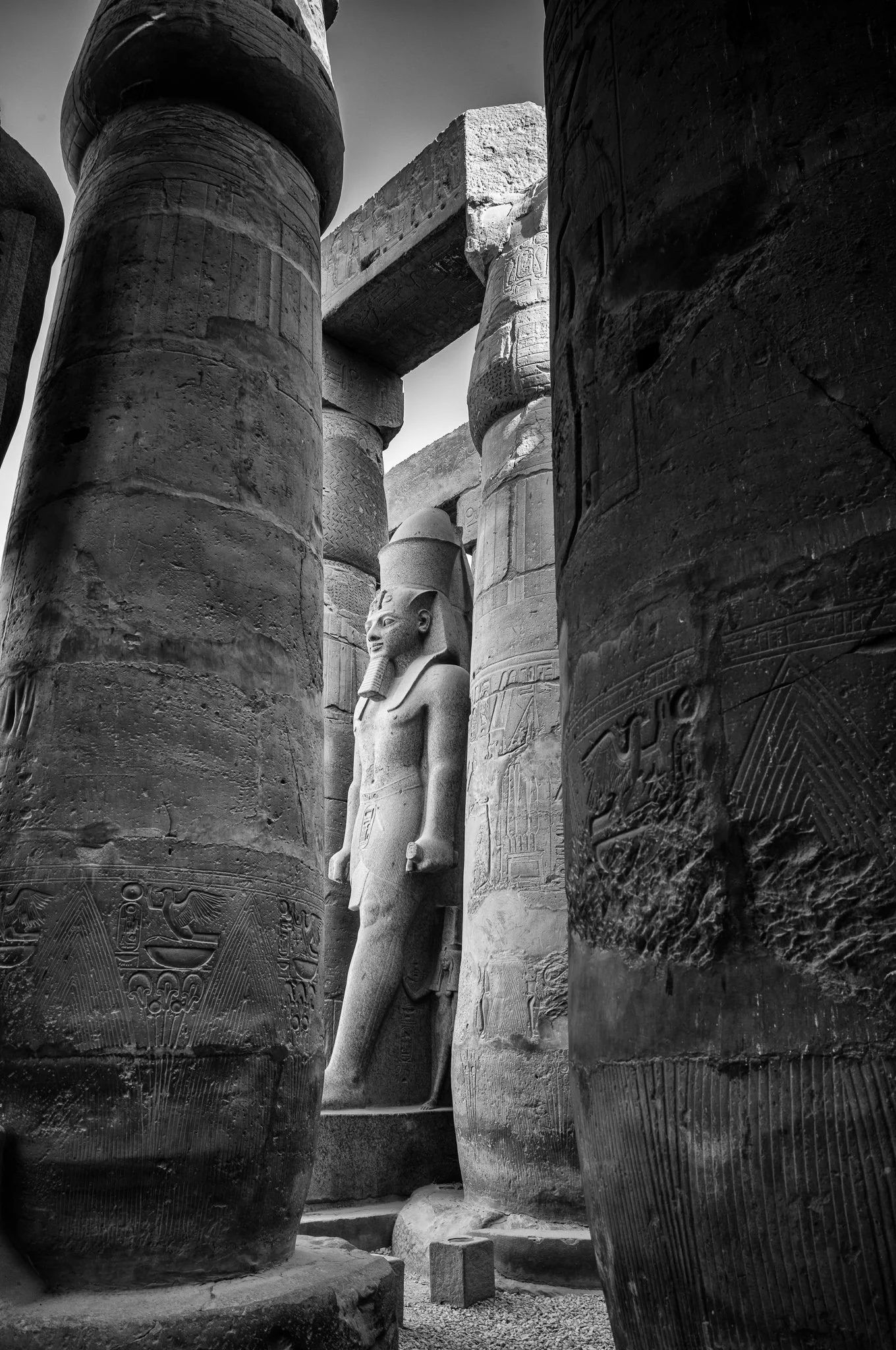
Luxor Temple
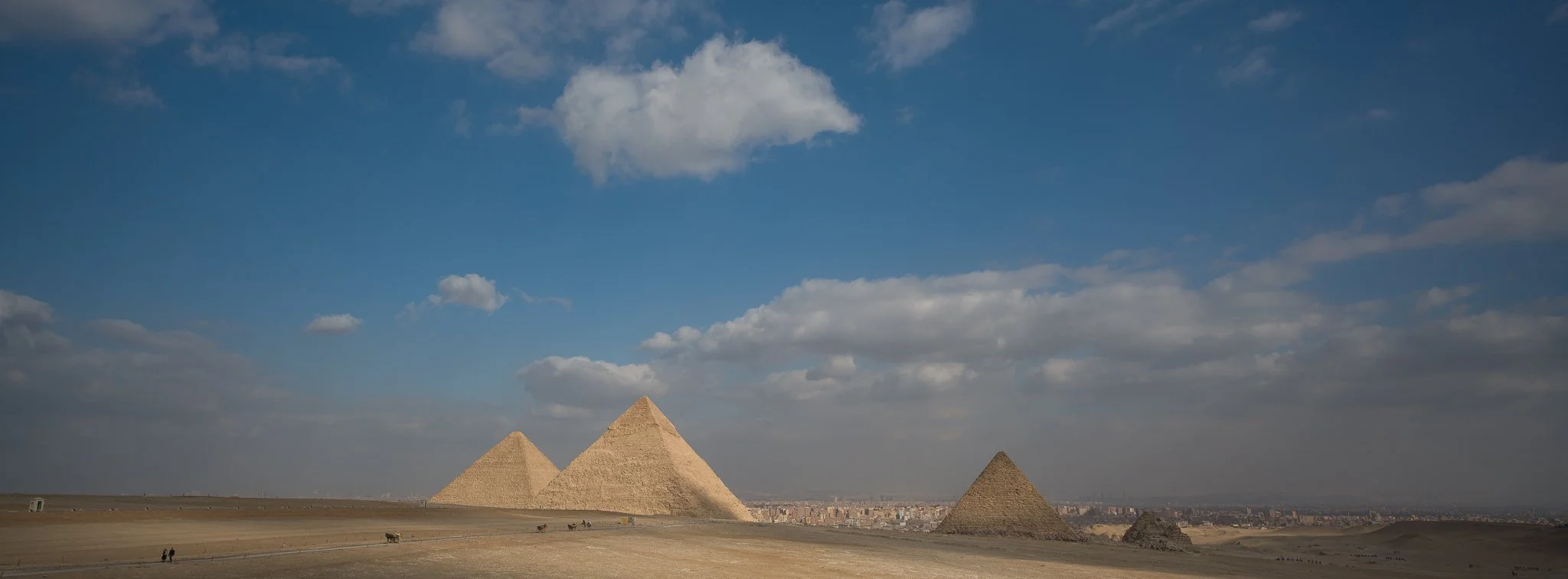
Pyramids, Giza
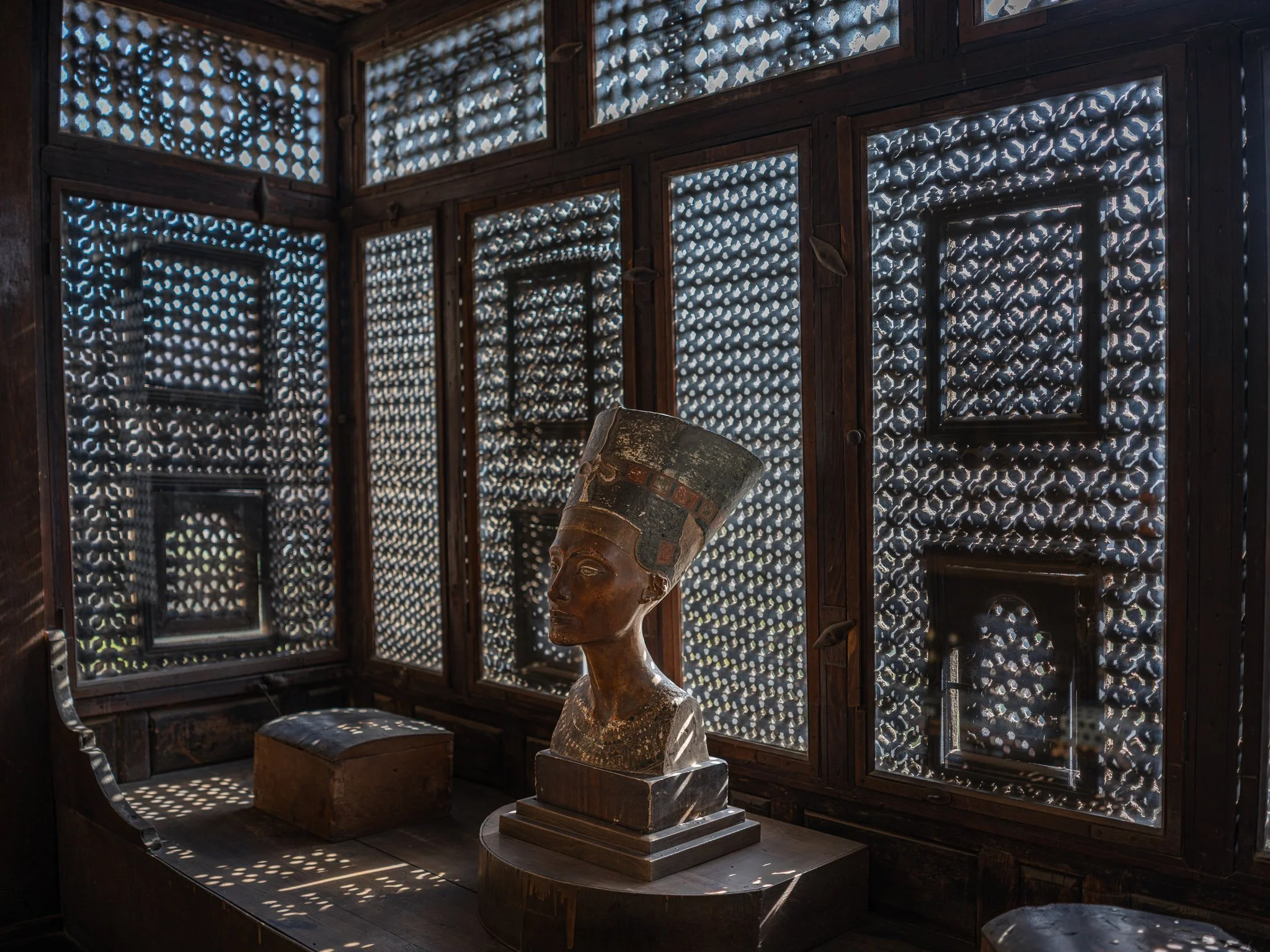
Gayer- Anderson Museum, Cairo
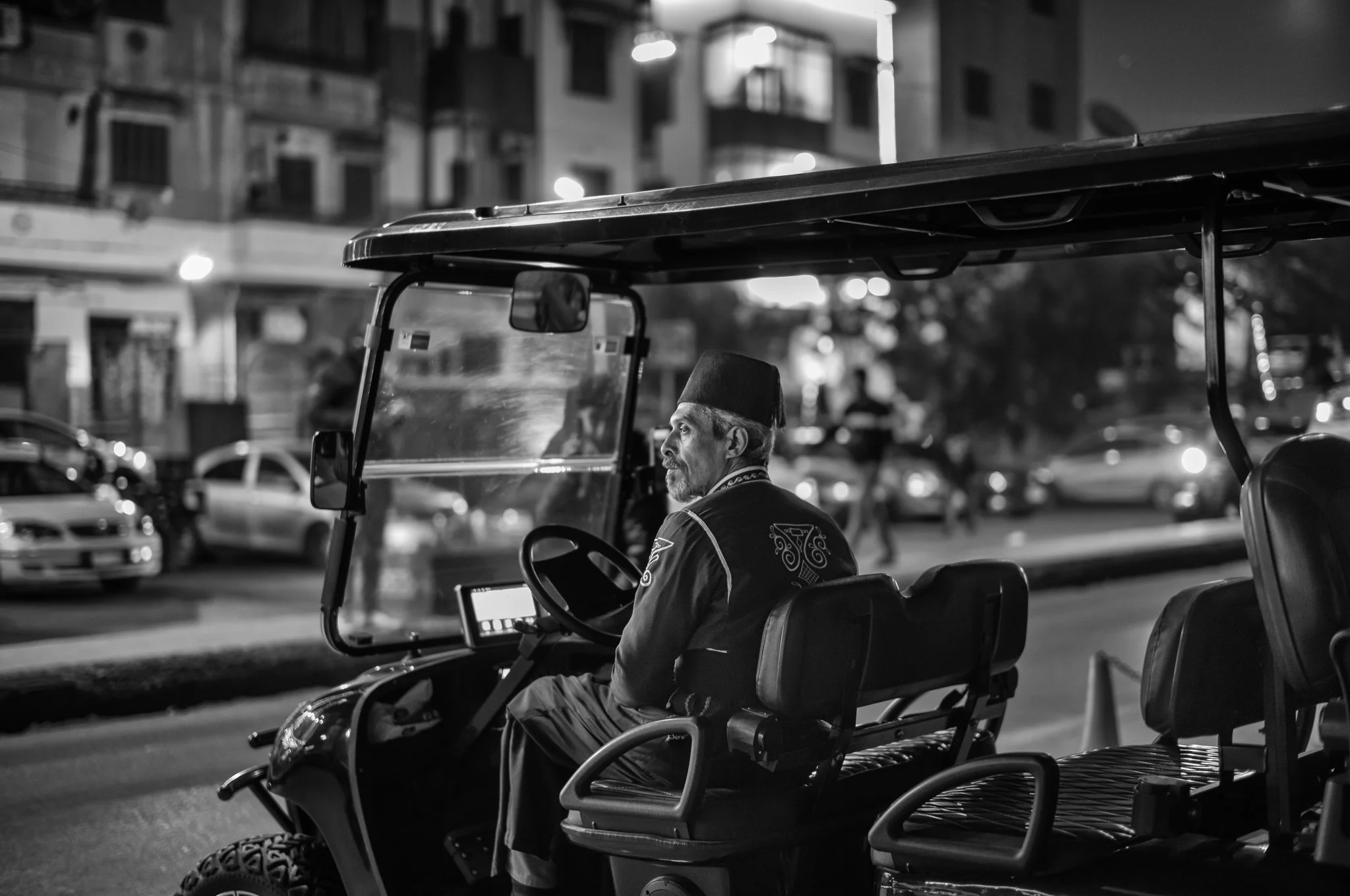
Cairo street scene
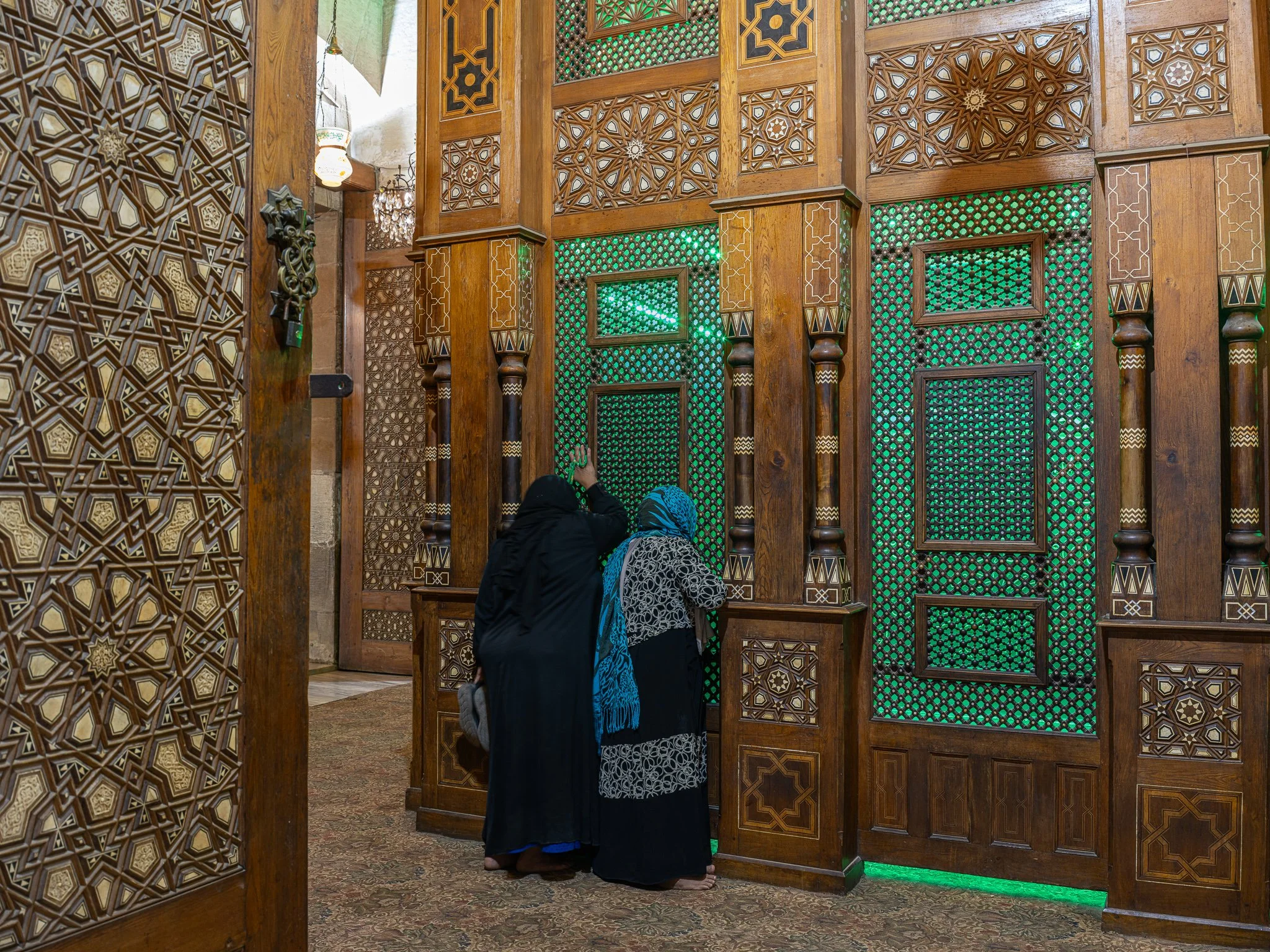
Al-Rifa'i Mosque, Delhi
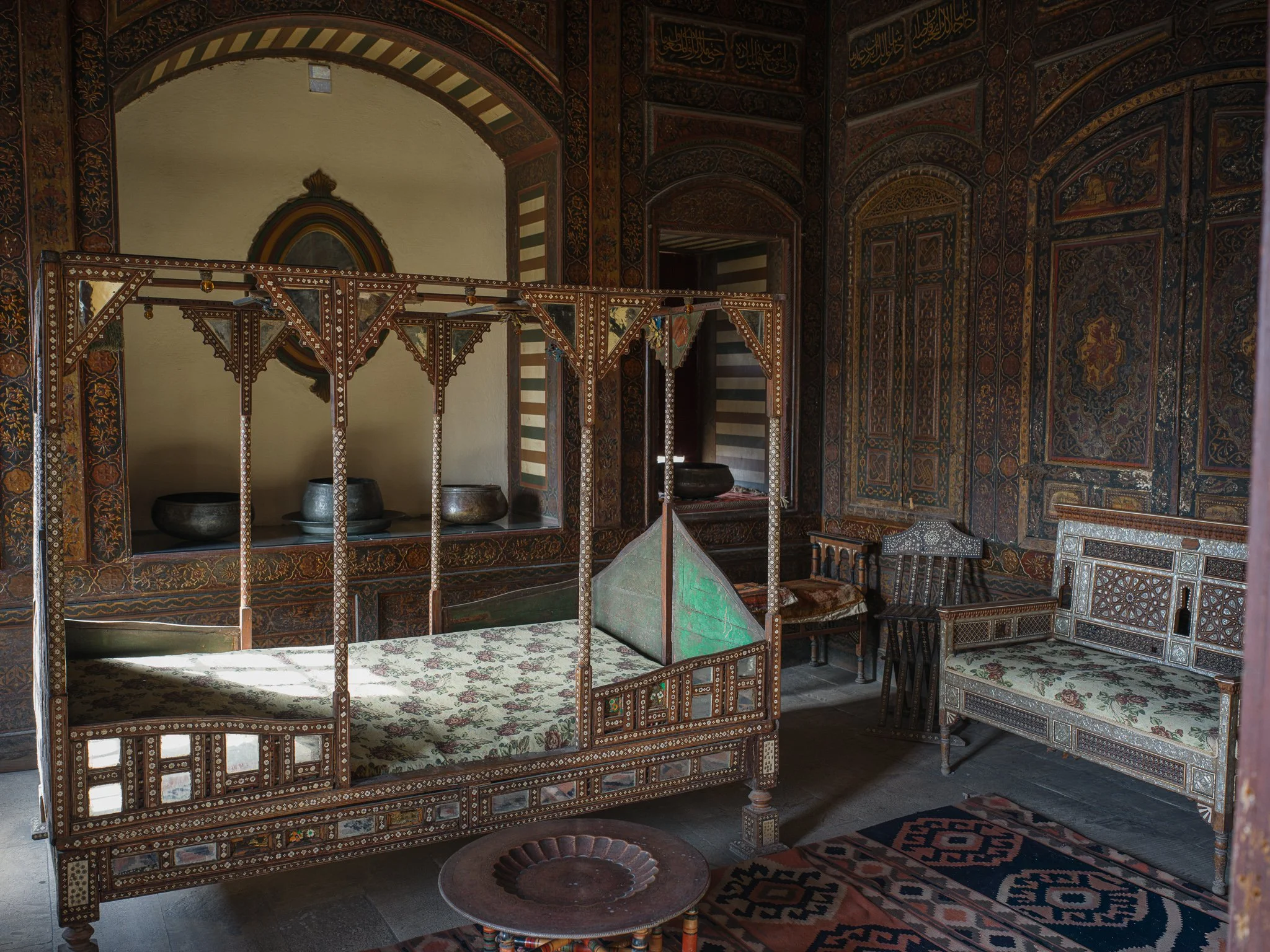
Gayer-Anderson Museum, Cairo
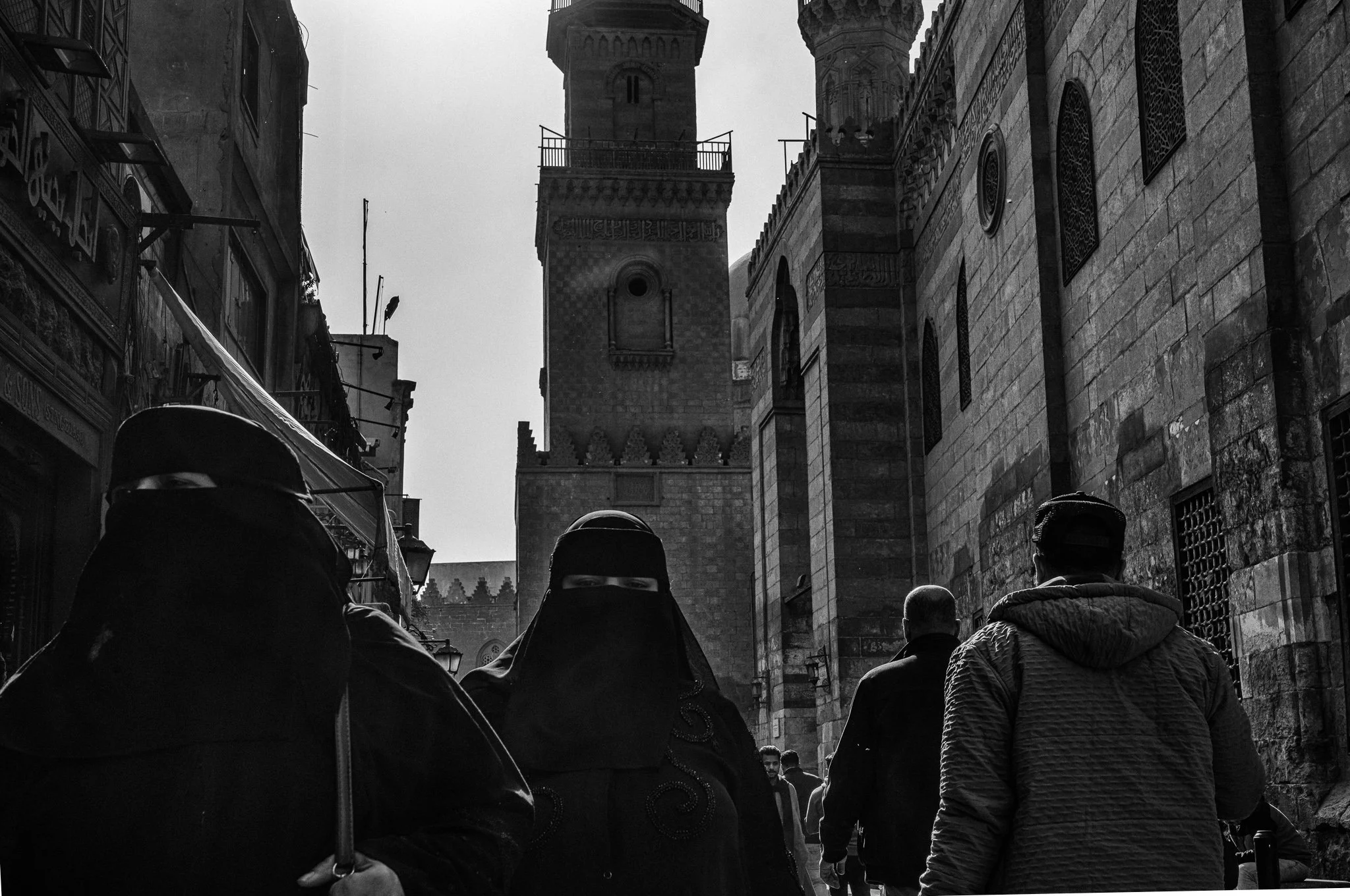
Cairo street scene
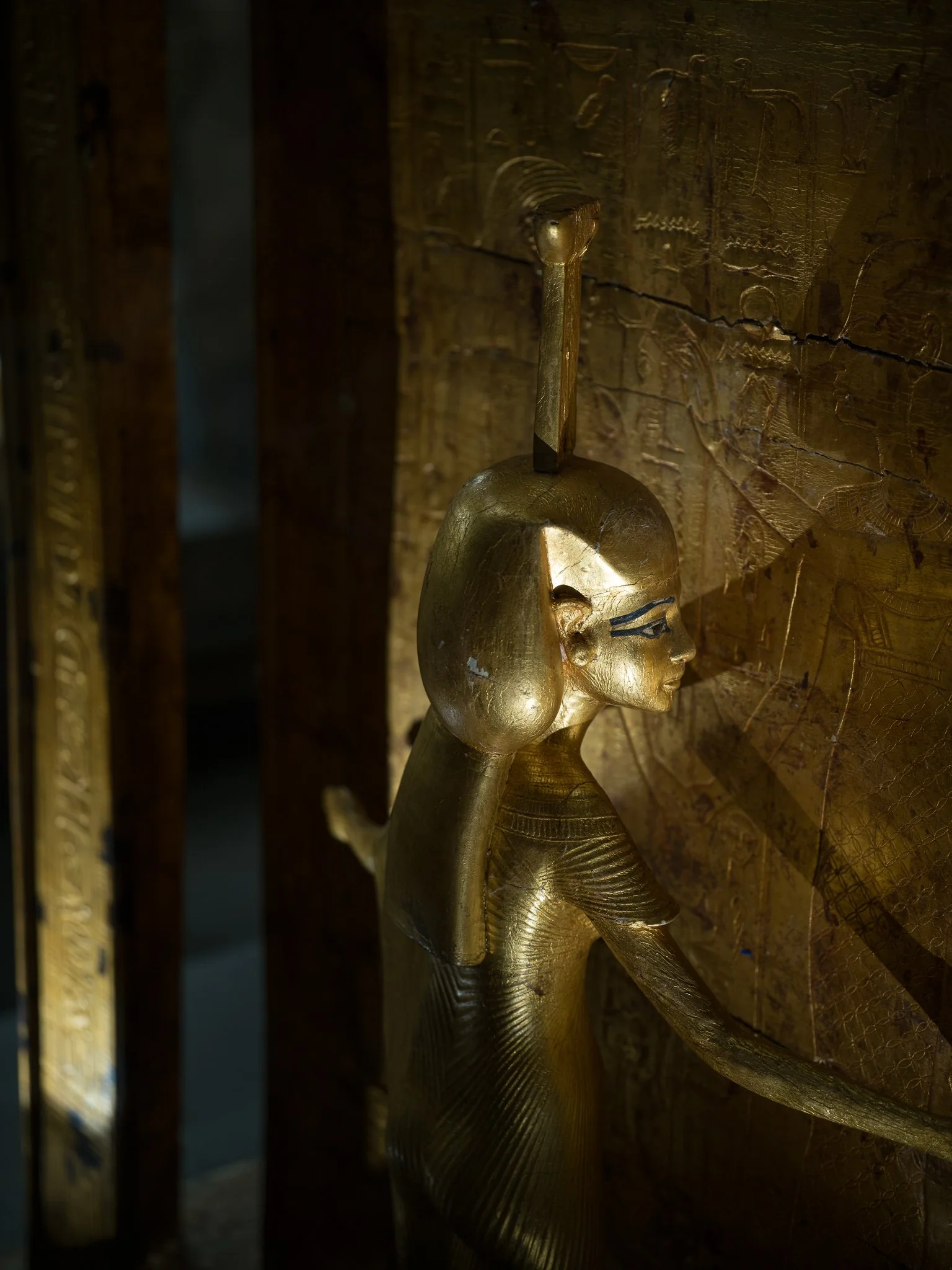
Tutunkhamun's Tomb, GEM
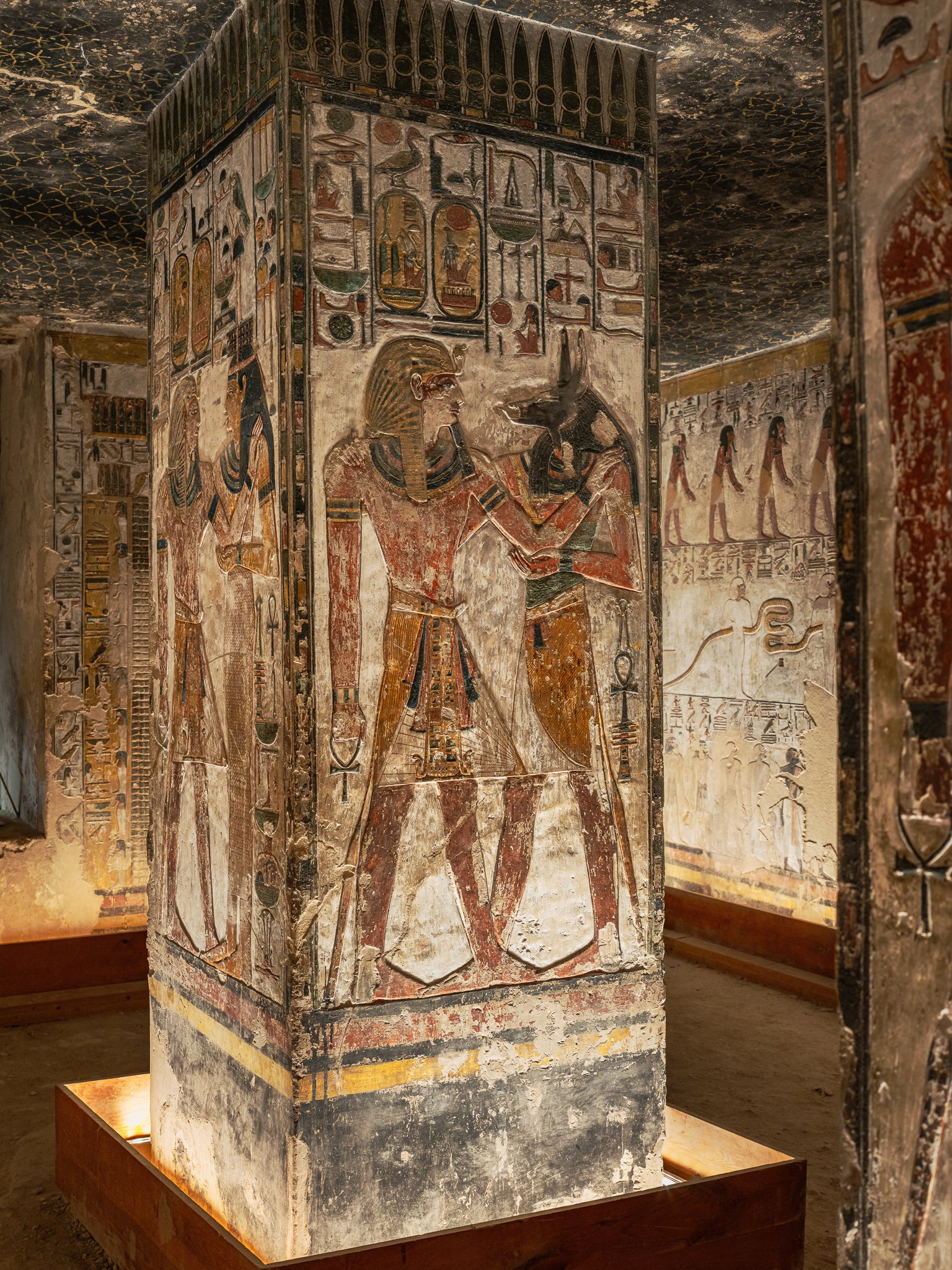
Tomb of Seti I
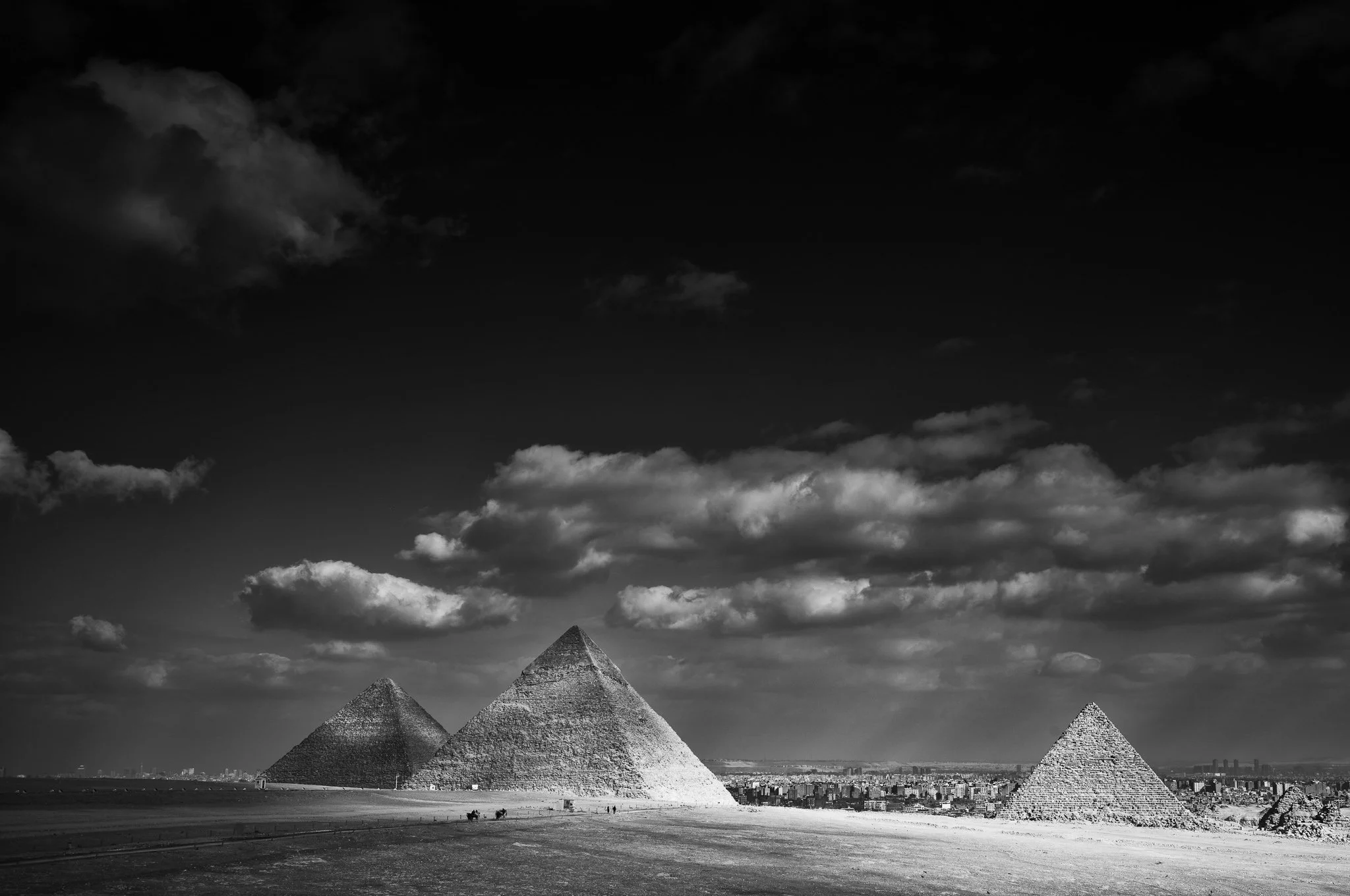
Pyramids, Giza
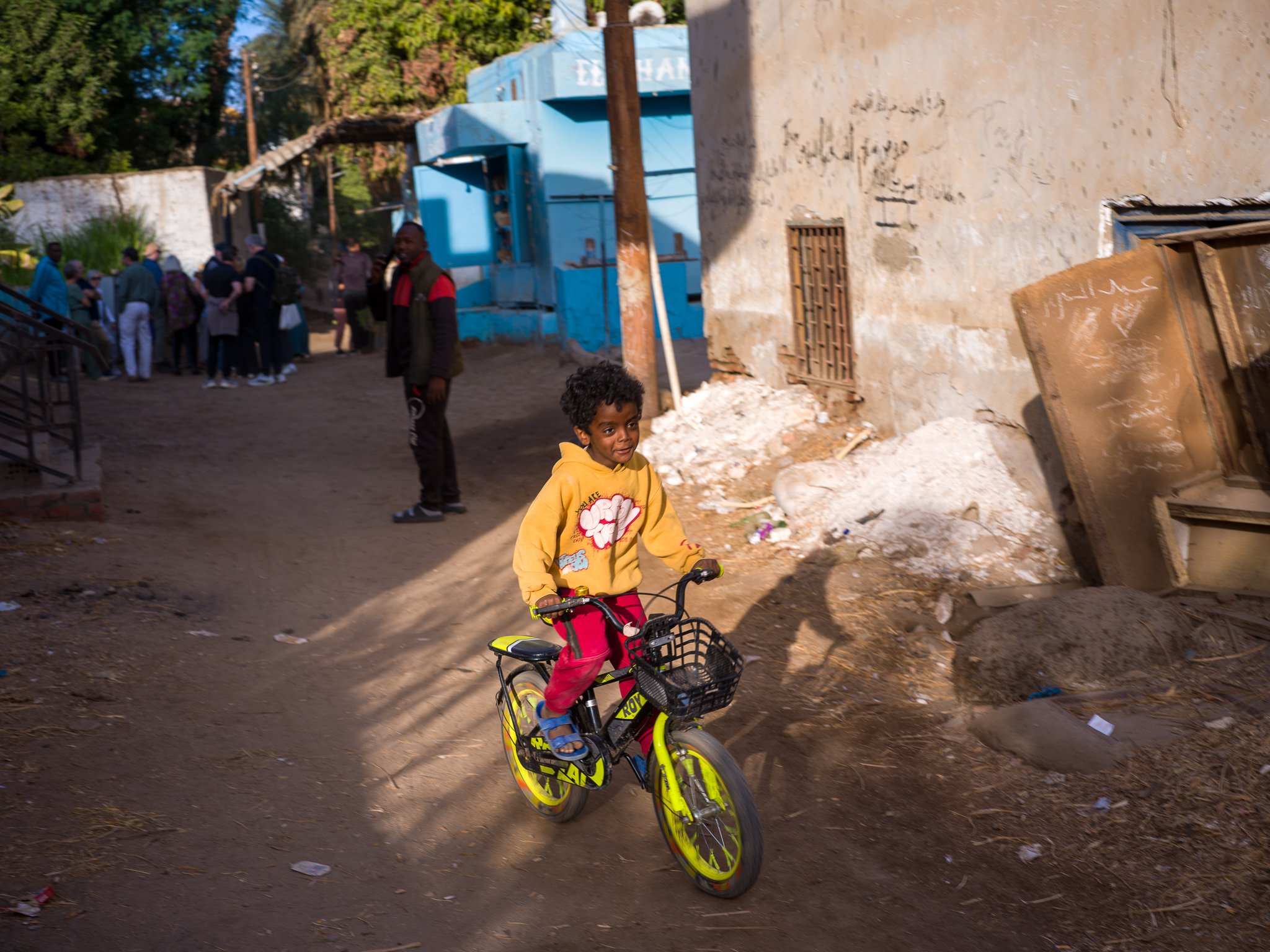
Aswan street scene
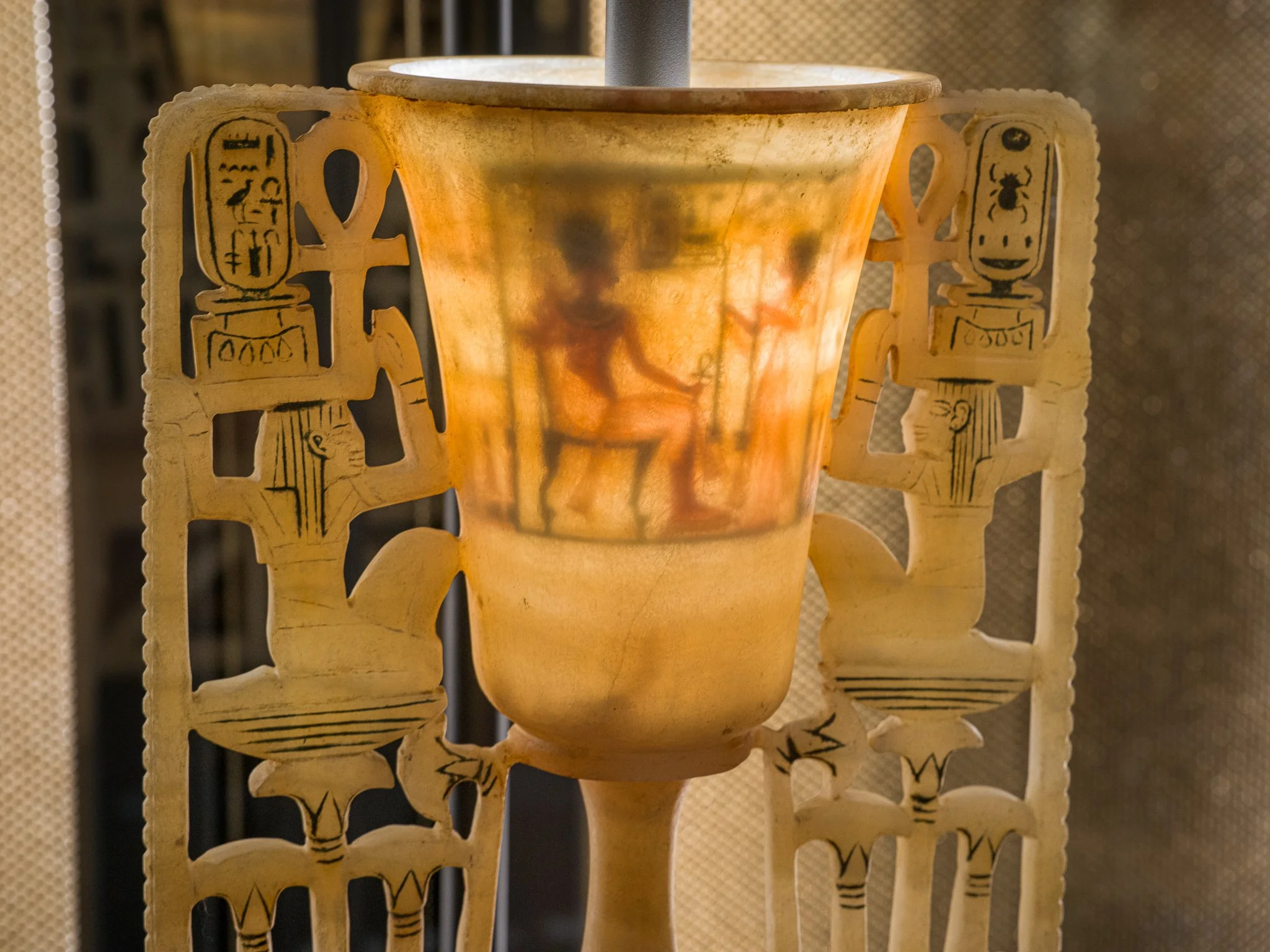
Tutankhamen's Tomb, GEM
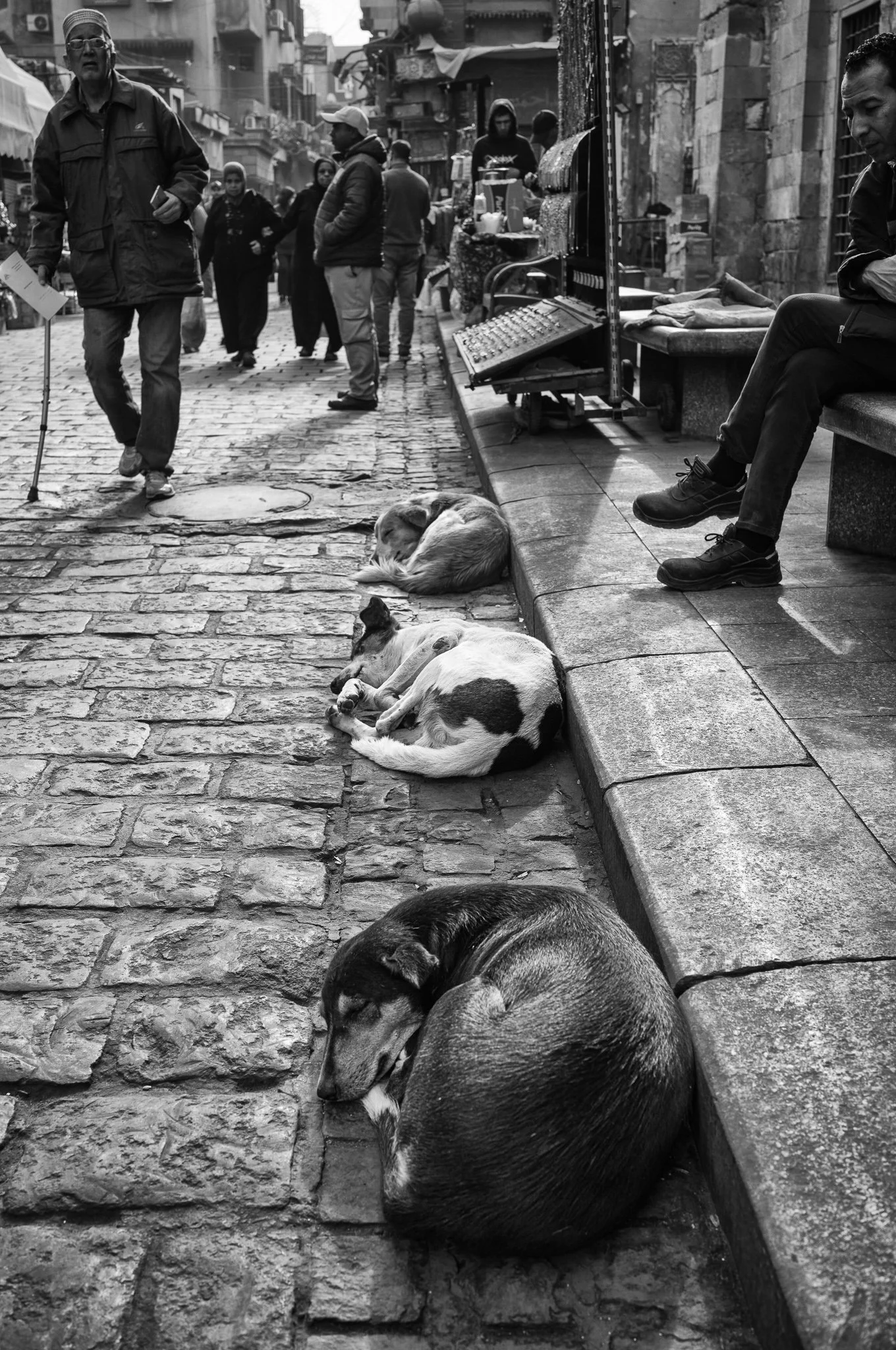
Cairo street scene
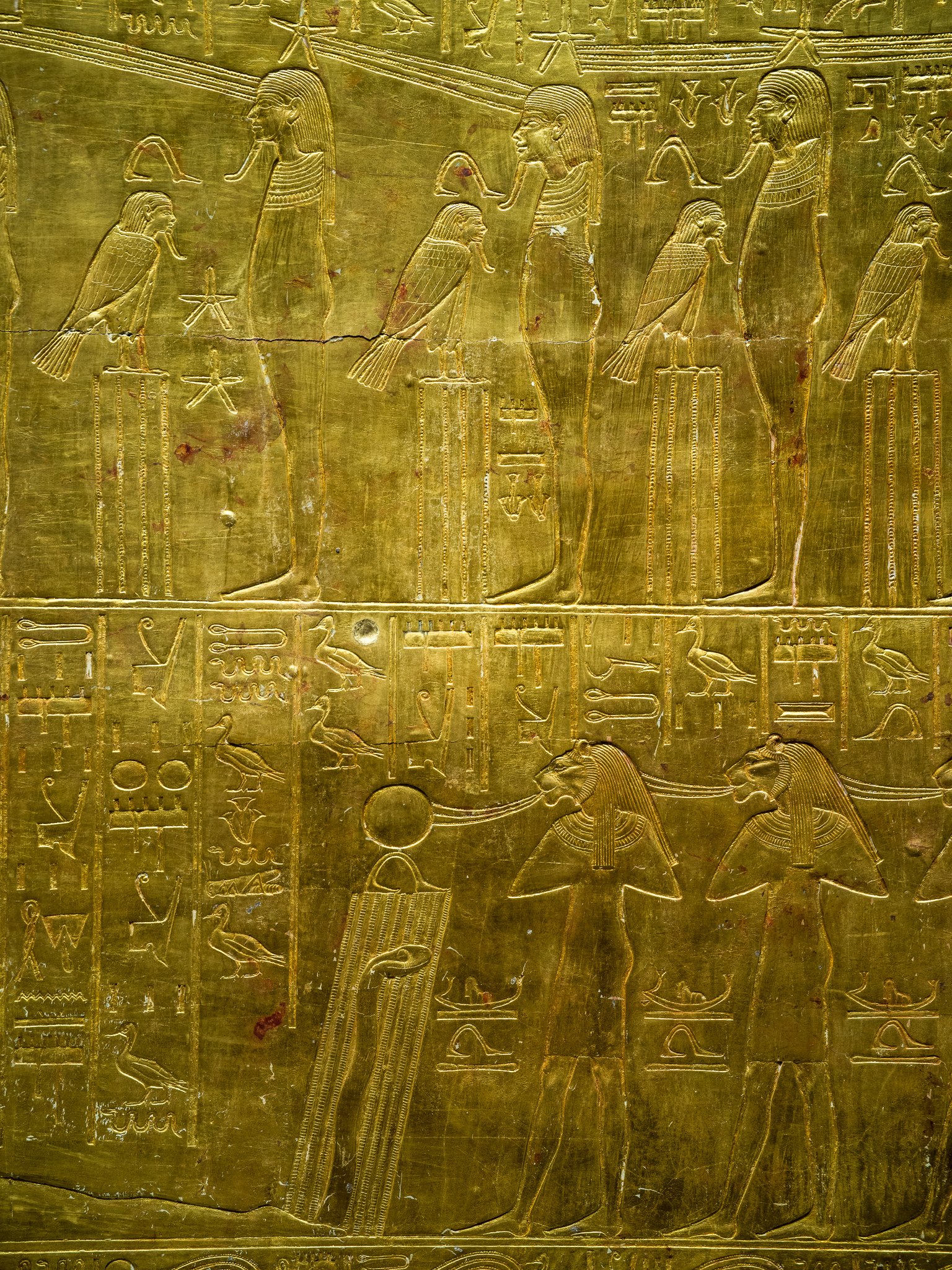
Tutankhamen's Tomb, GEM
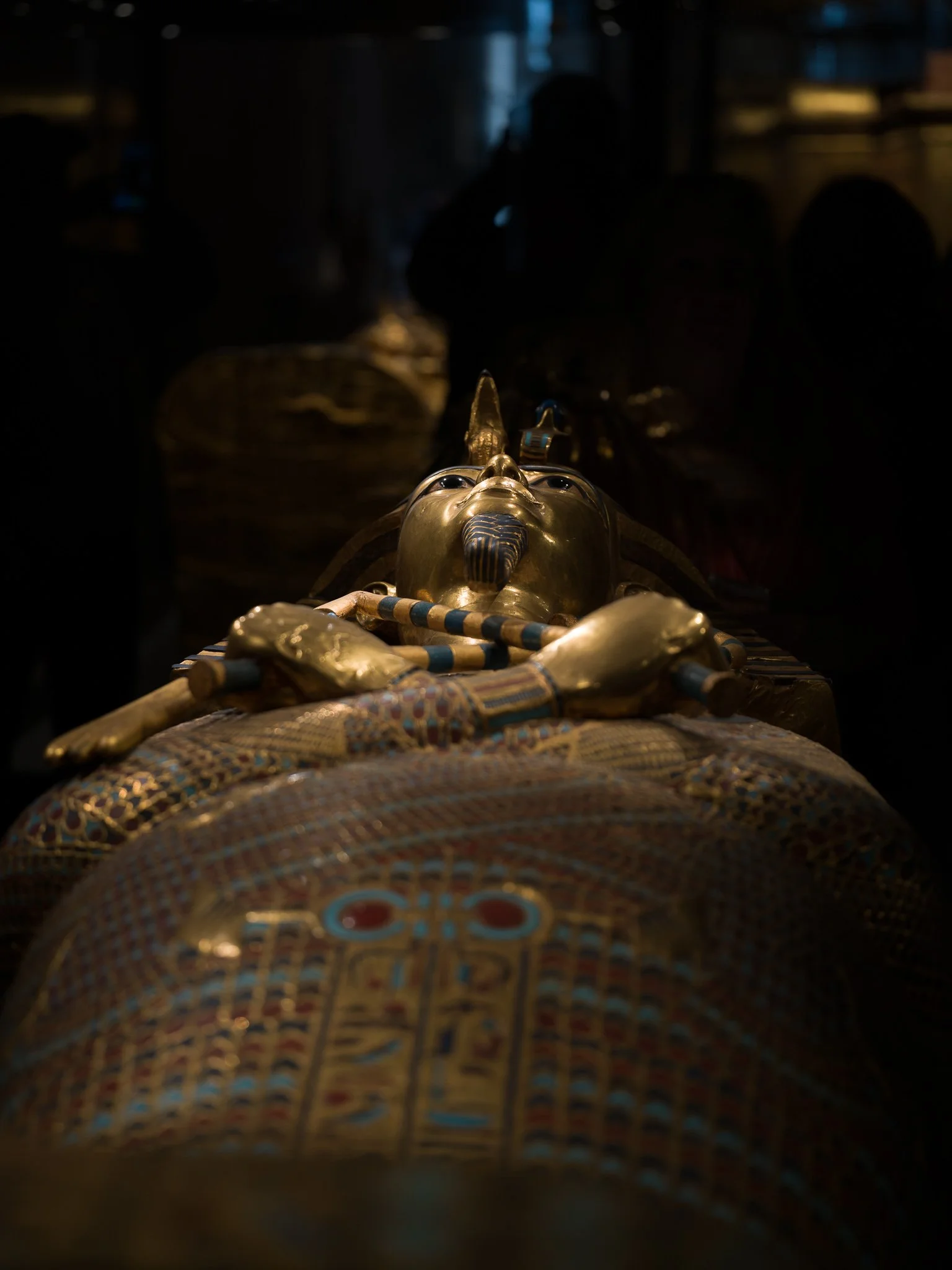
Tutankhamen's Tomb, GEM
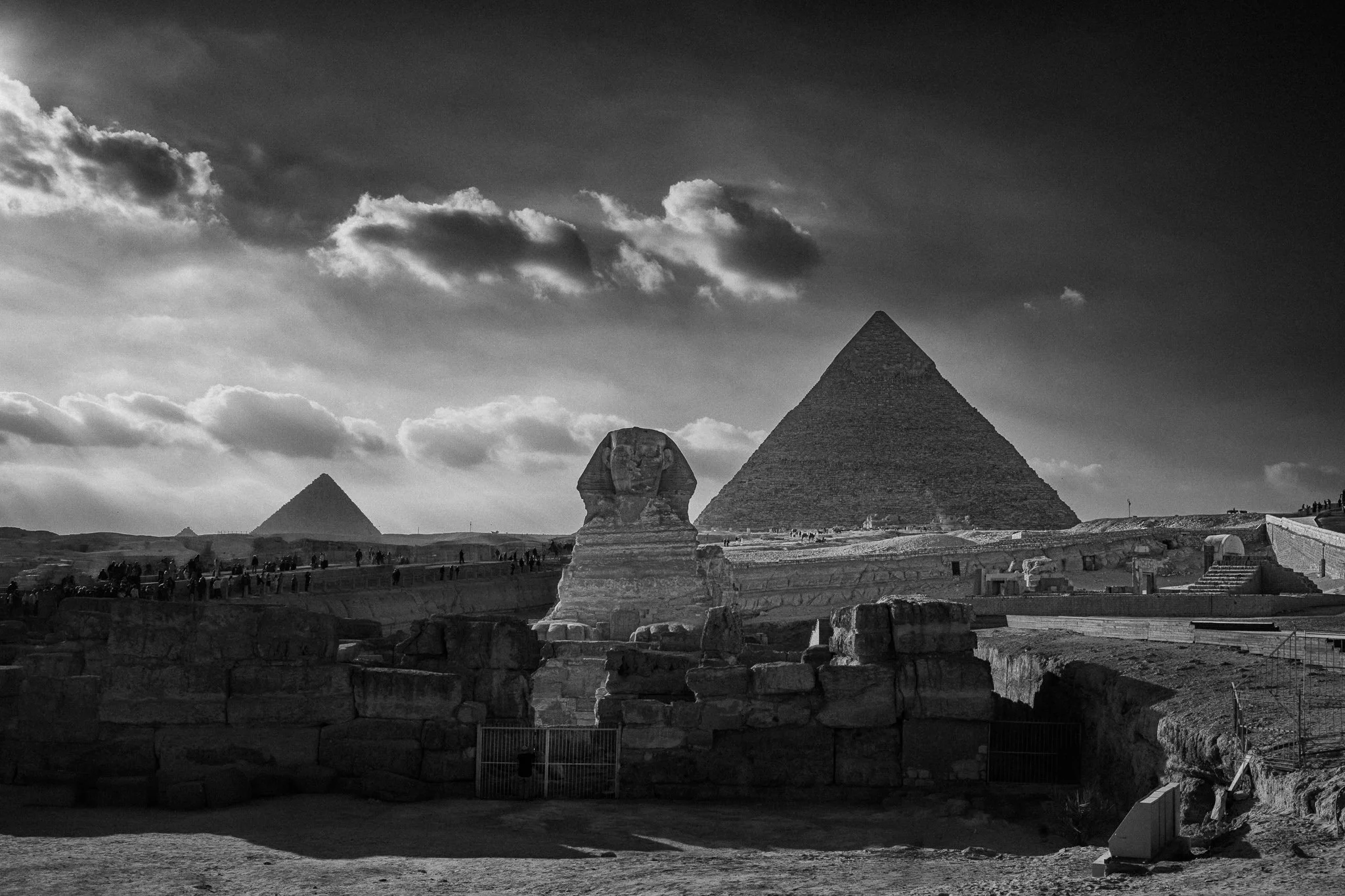
Pyramids and Sphinx, Giza
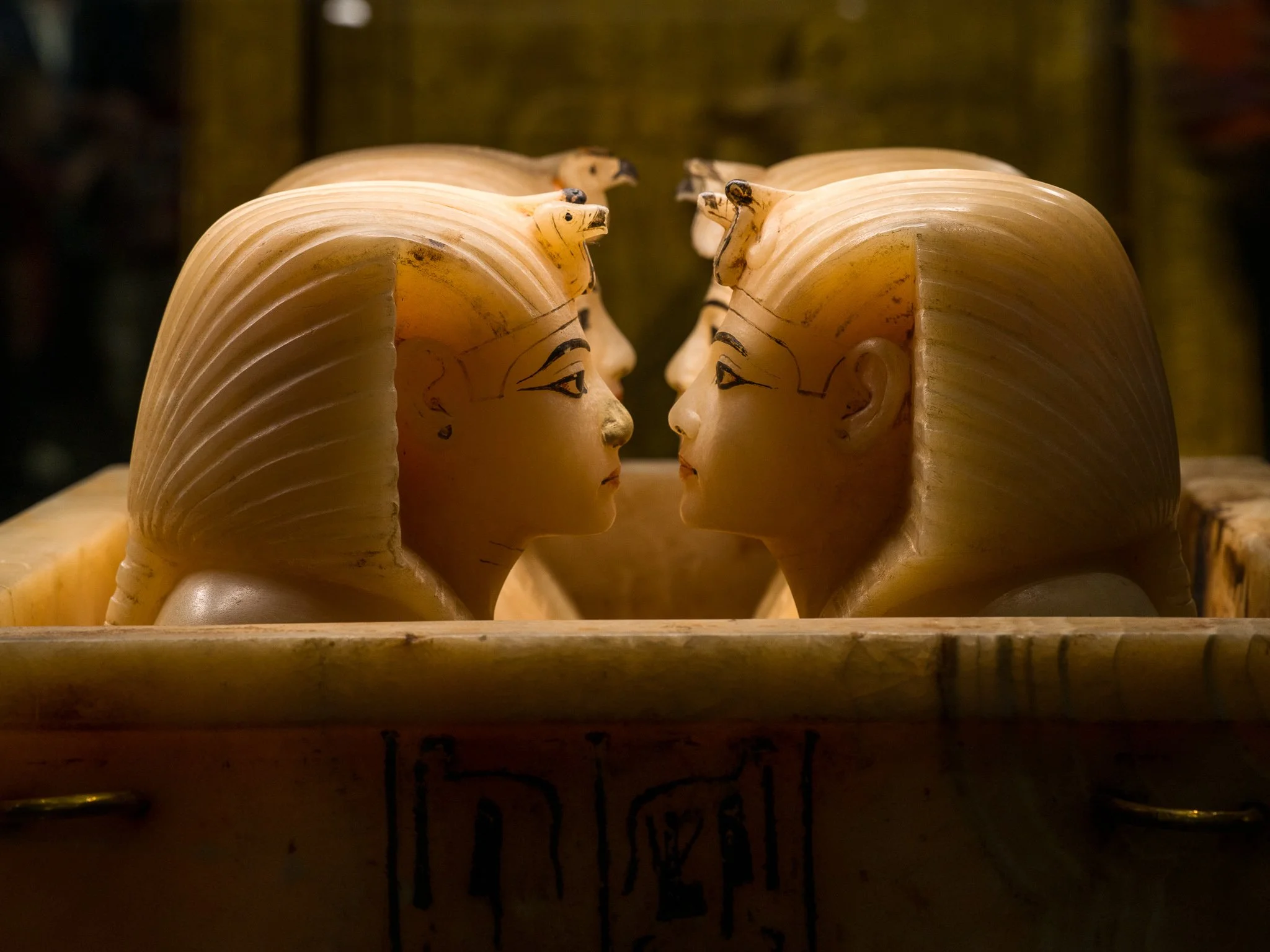
Tutankhamen's Tomb, GEM
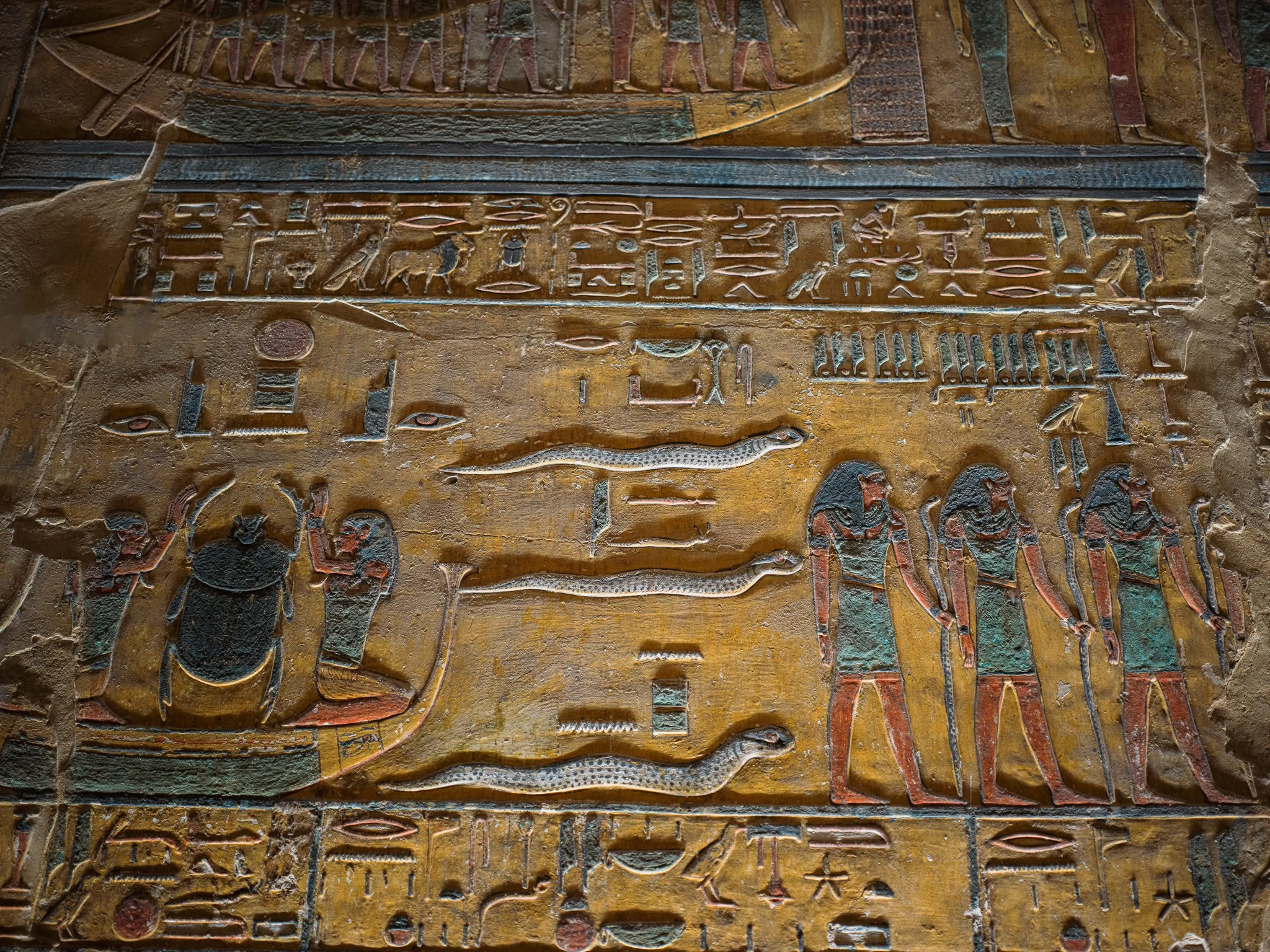
Tomb of Seti I
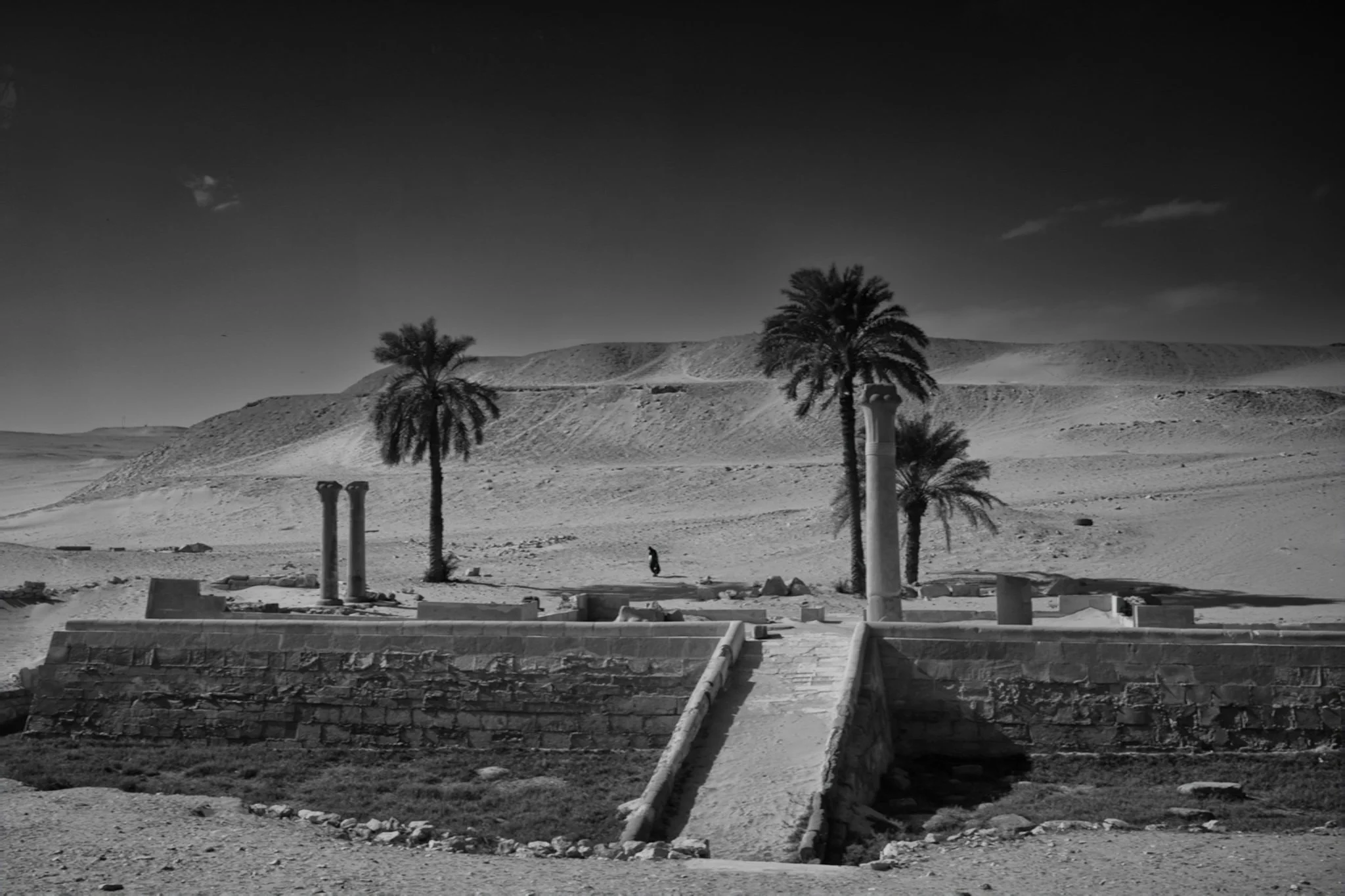
Near Saqqara (from the bus)
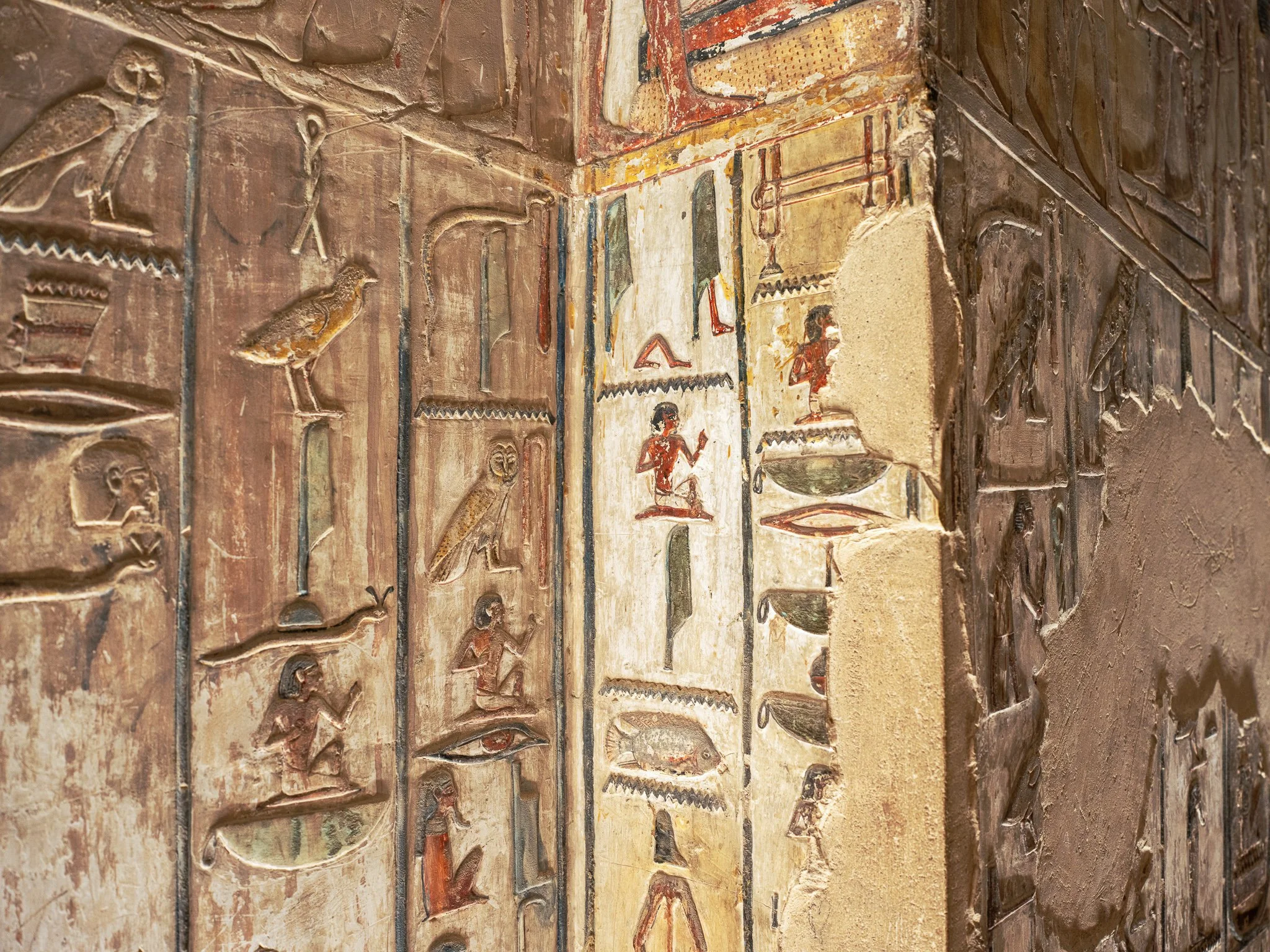
Tomb of Seti II
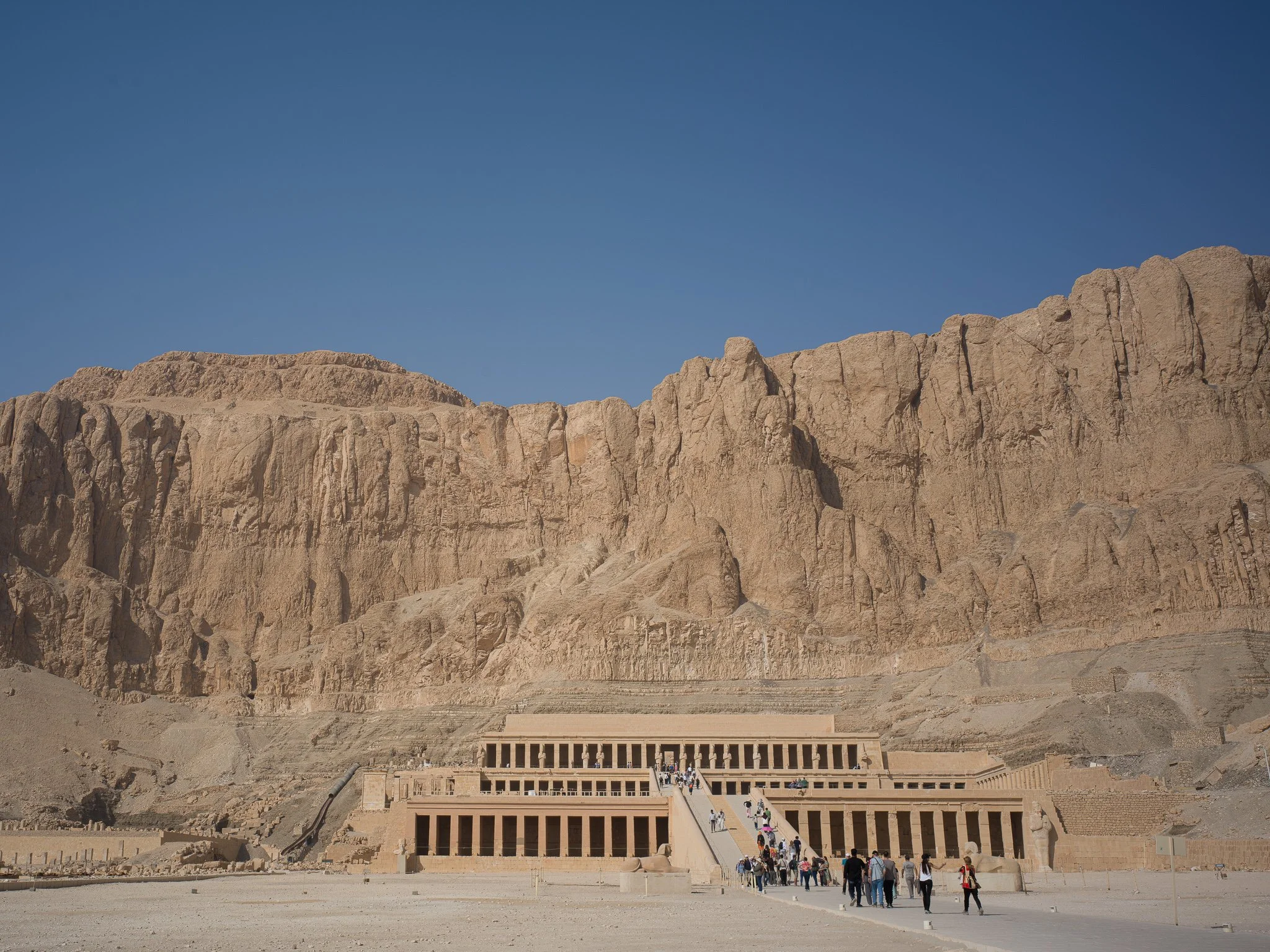
Hatshepsut's Temple, near Luxor
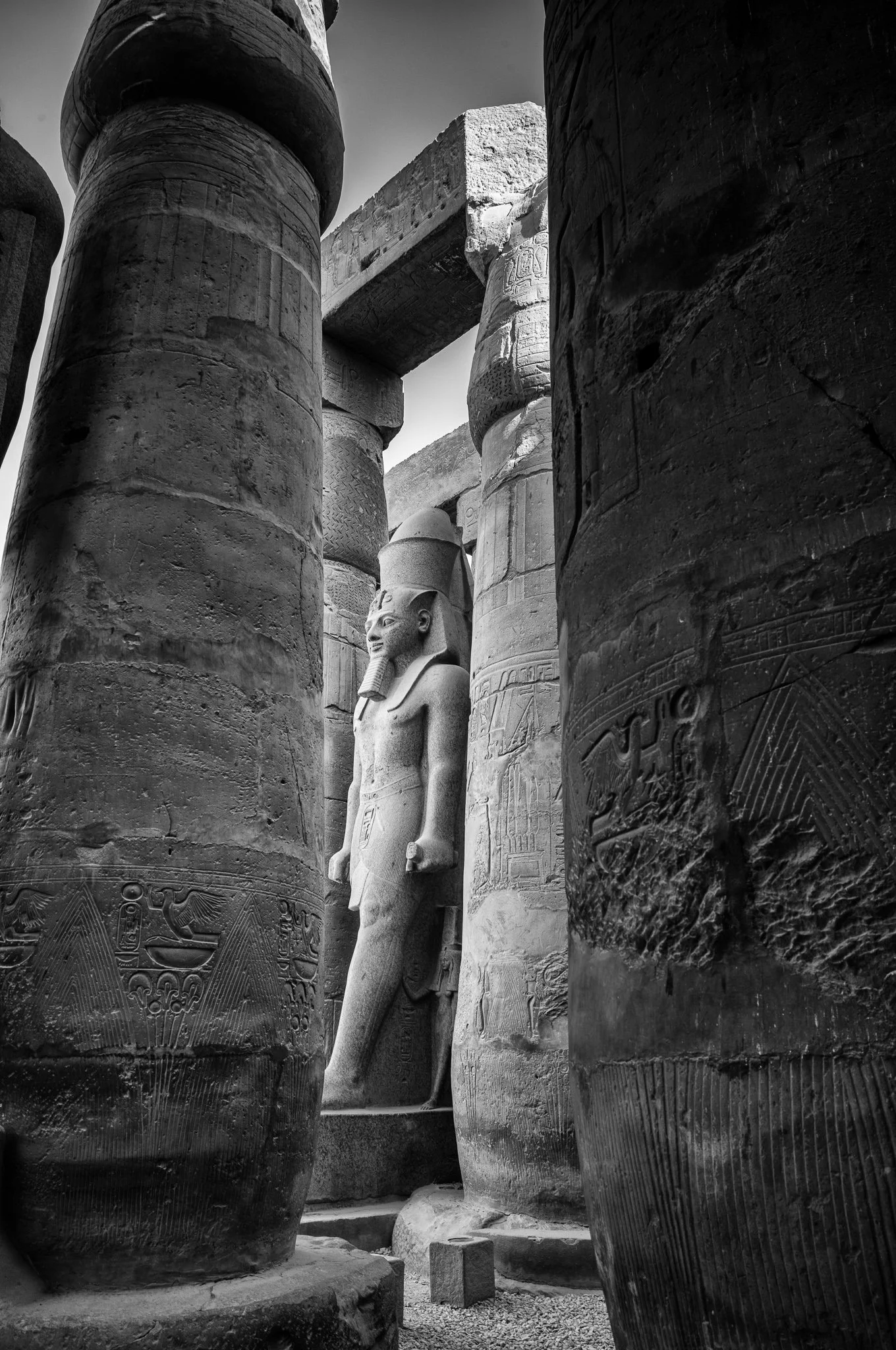
Luxor Temple
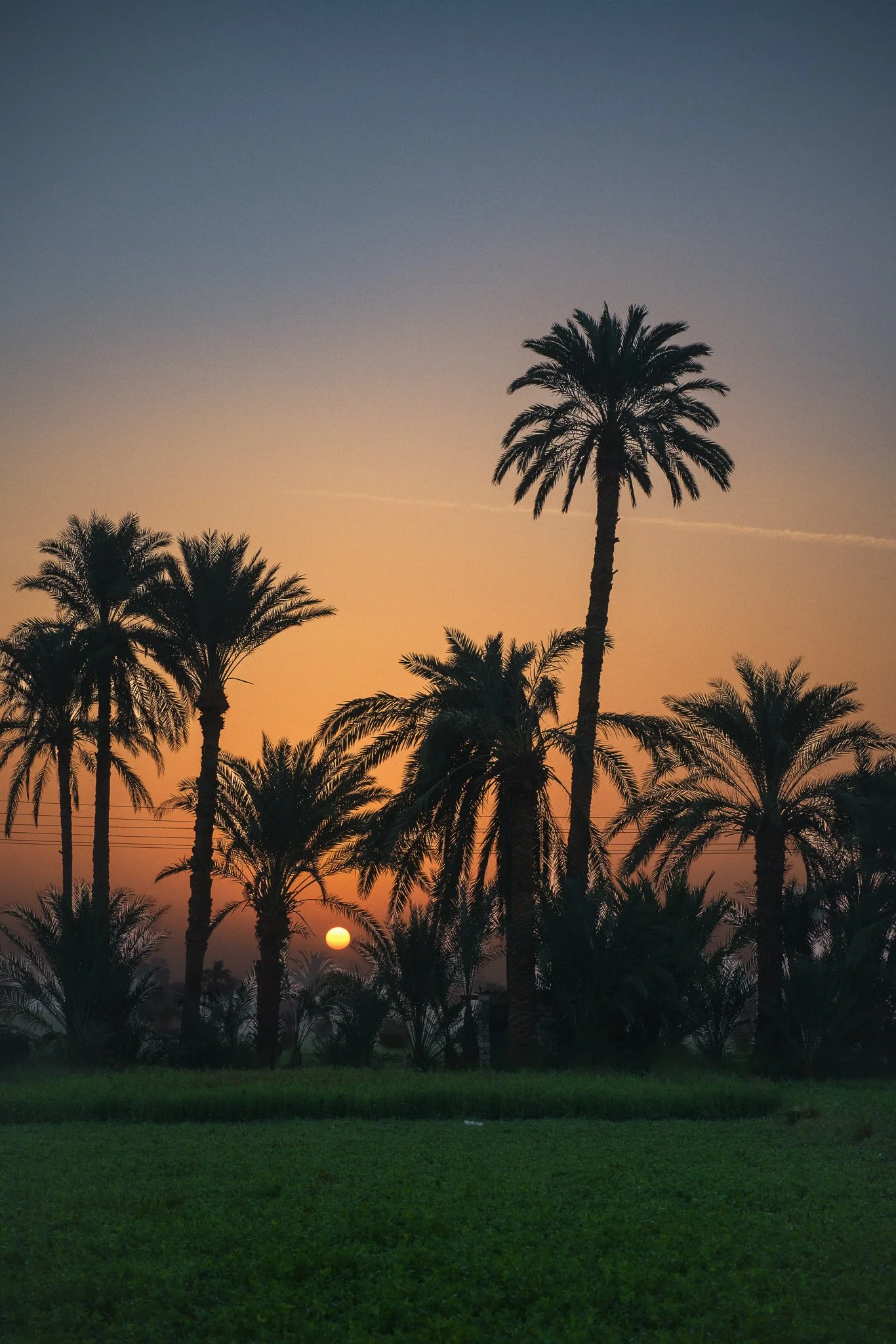
Luxor
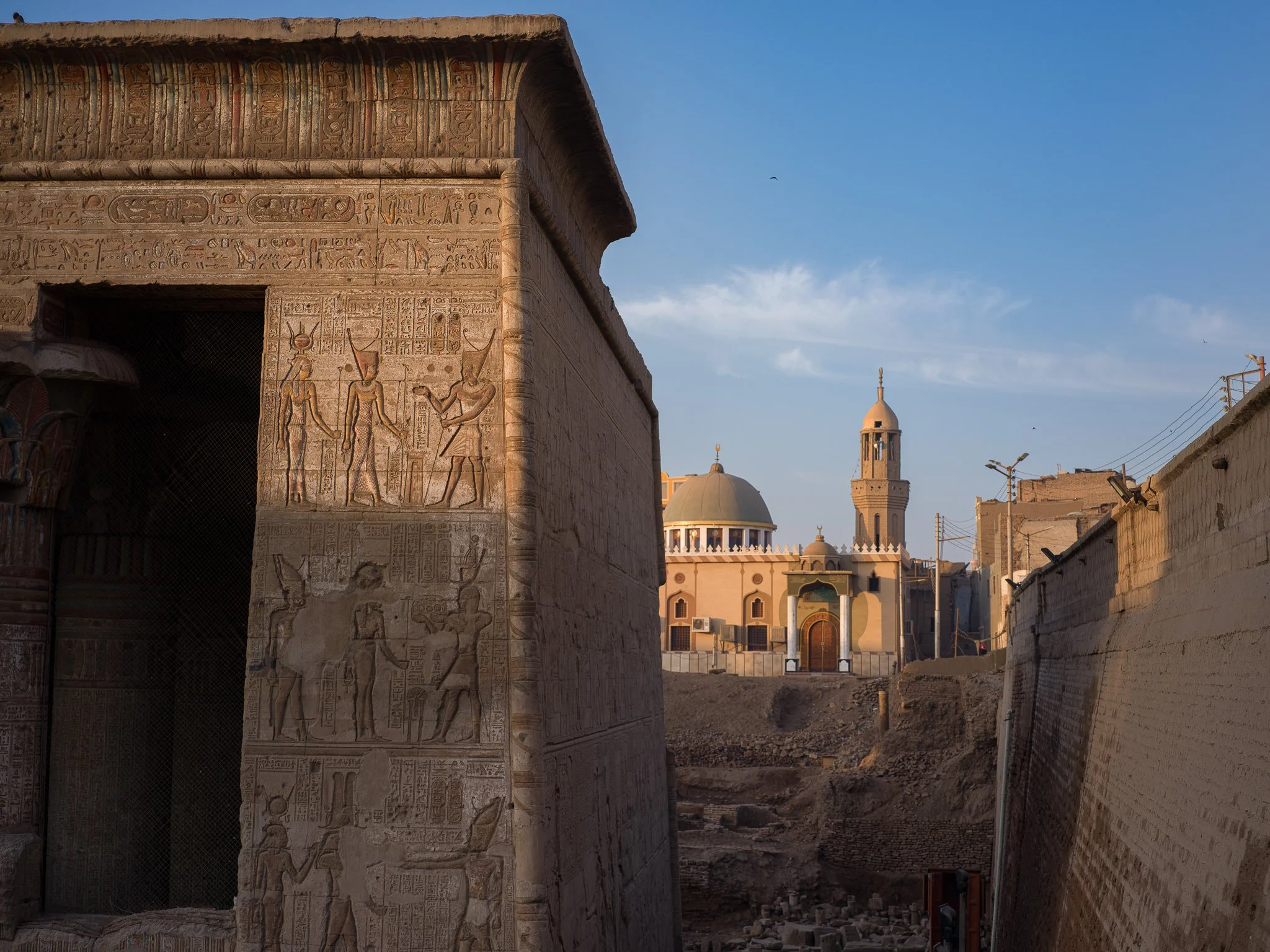
Esna Temple
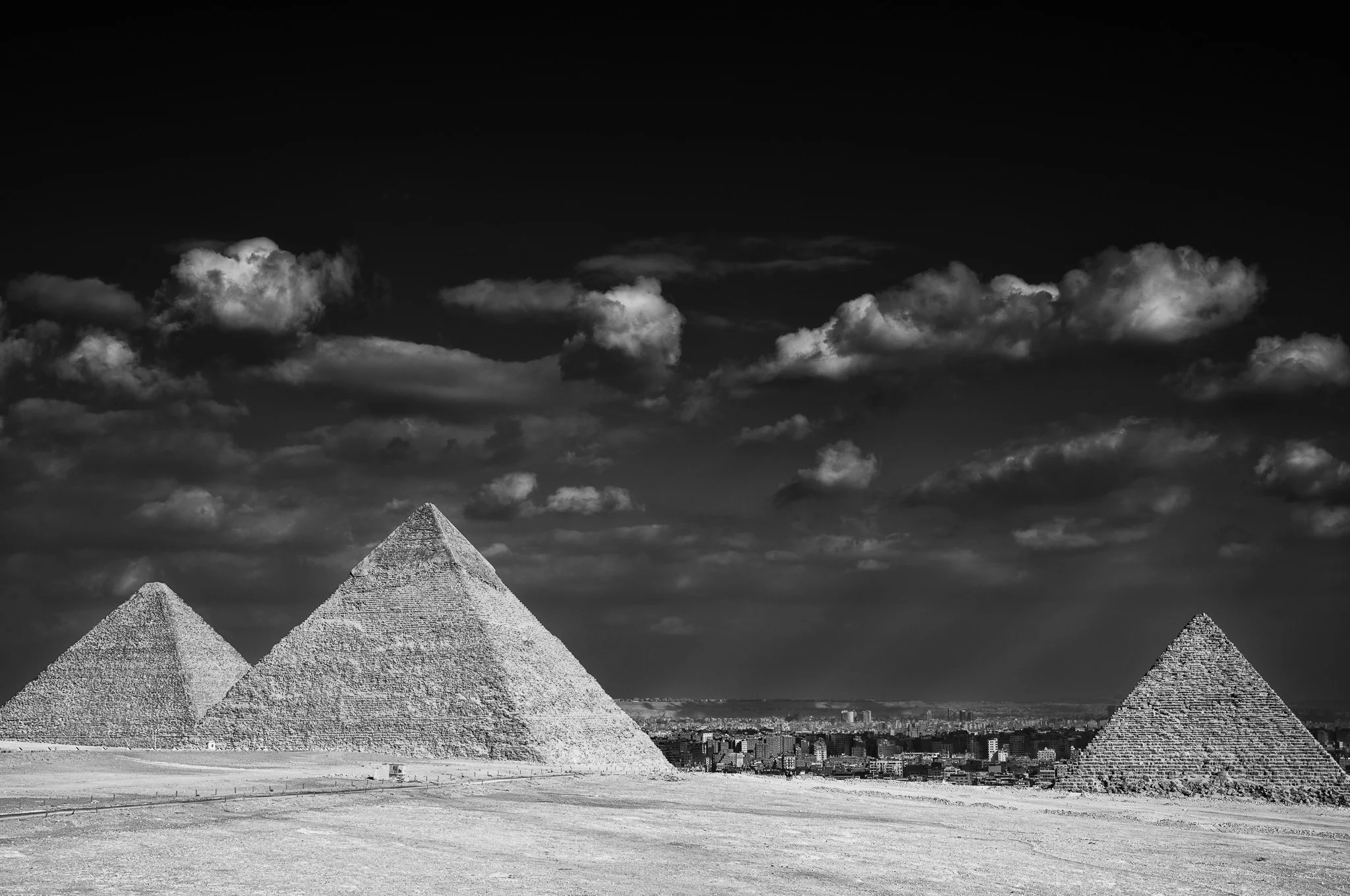
Pyramids, Giza
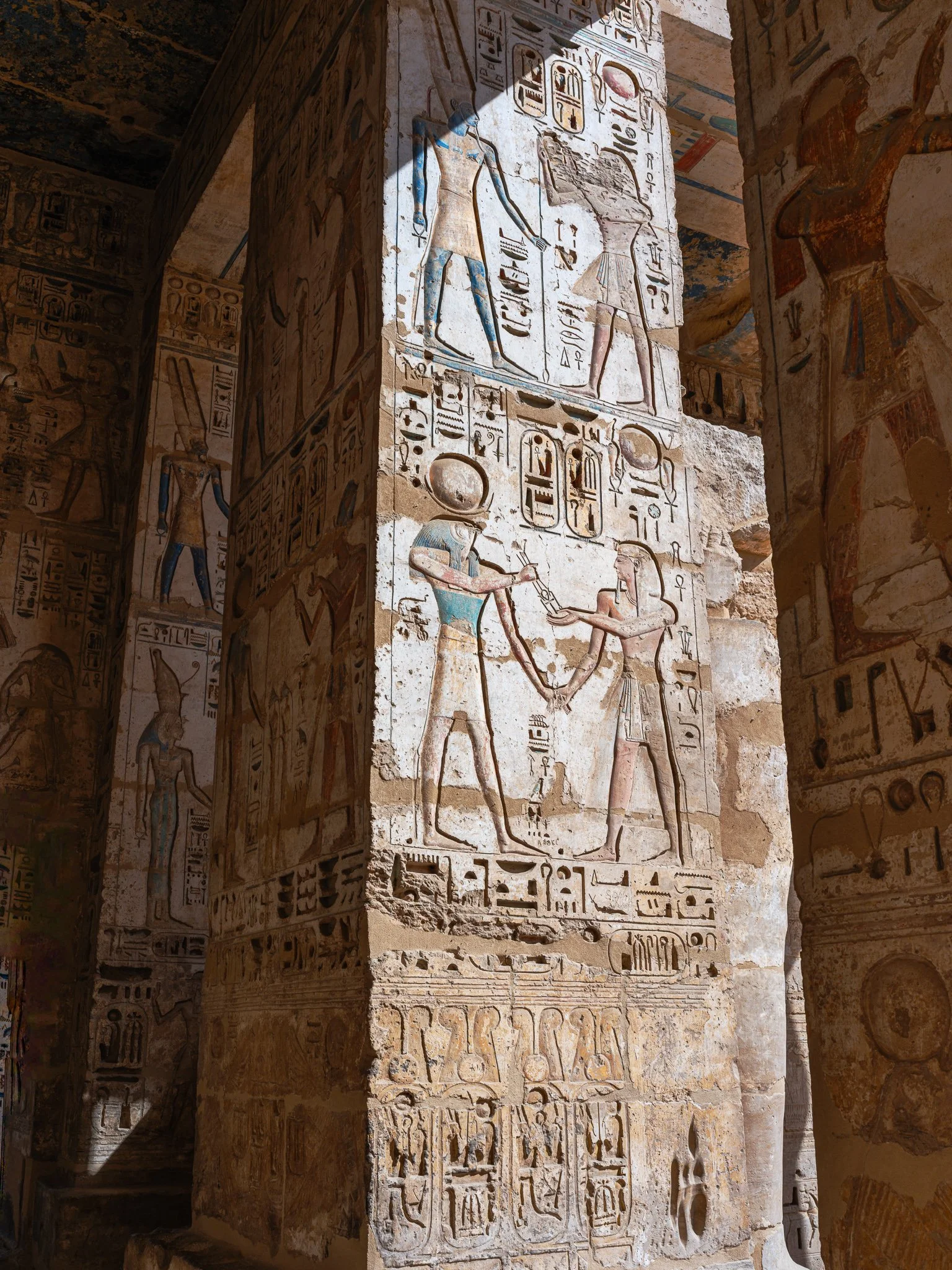
Habu Temple
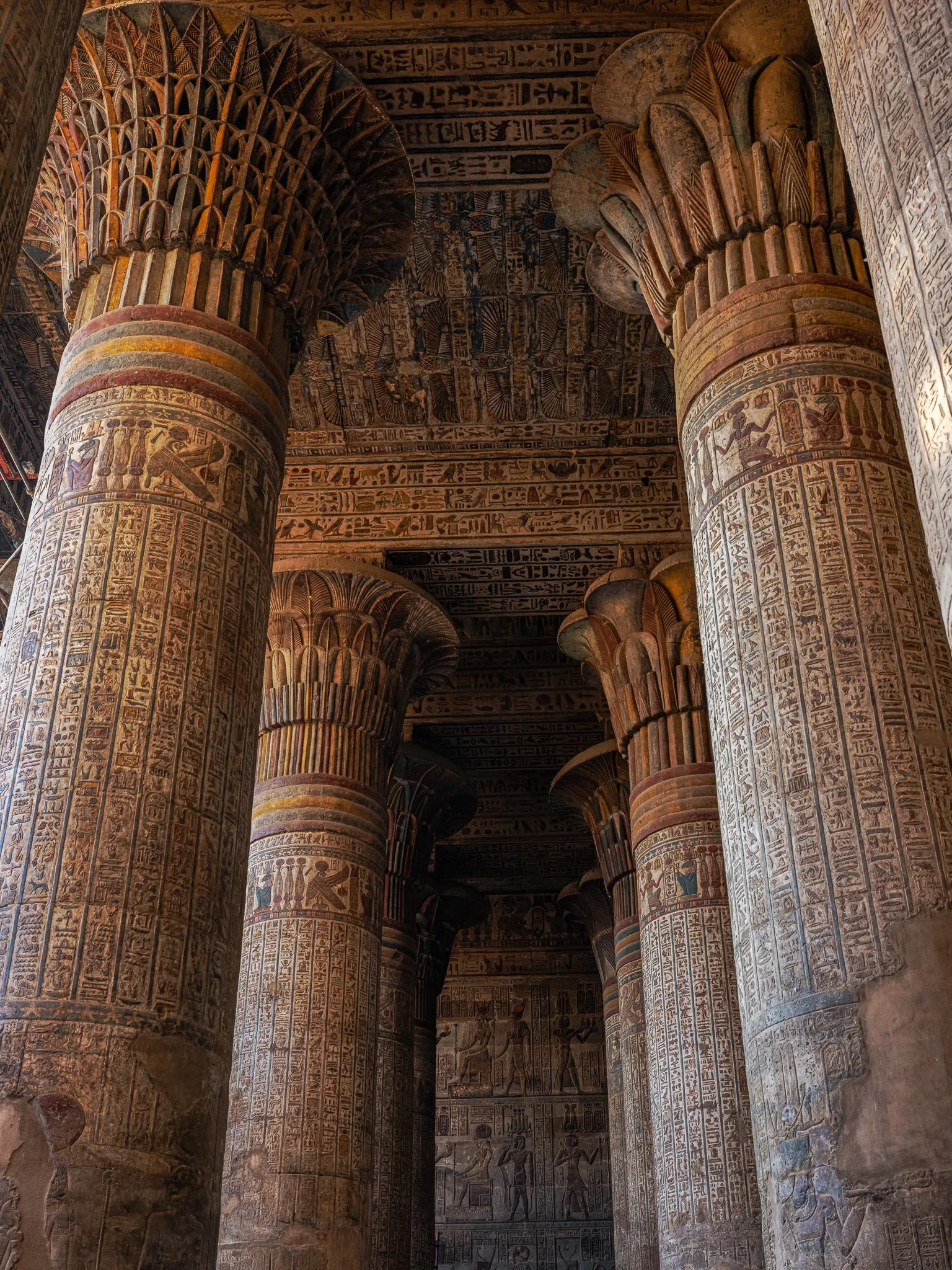
Esna Temple
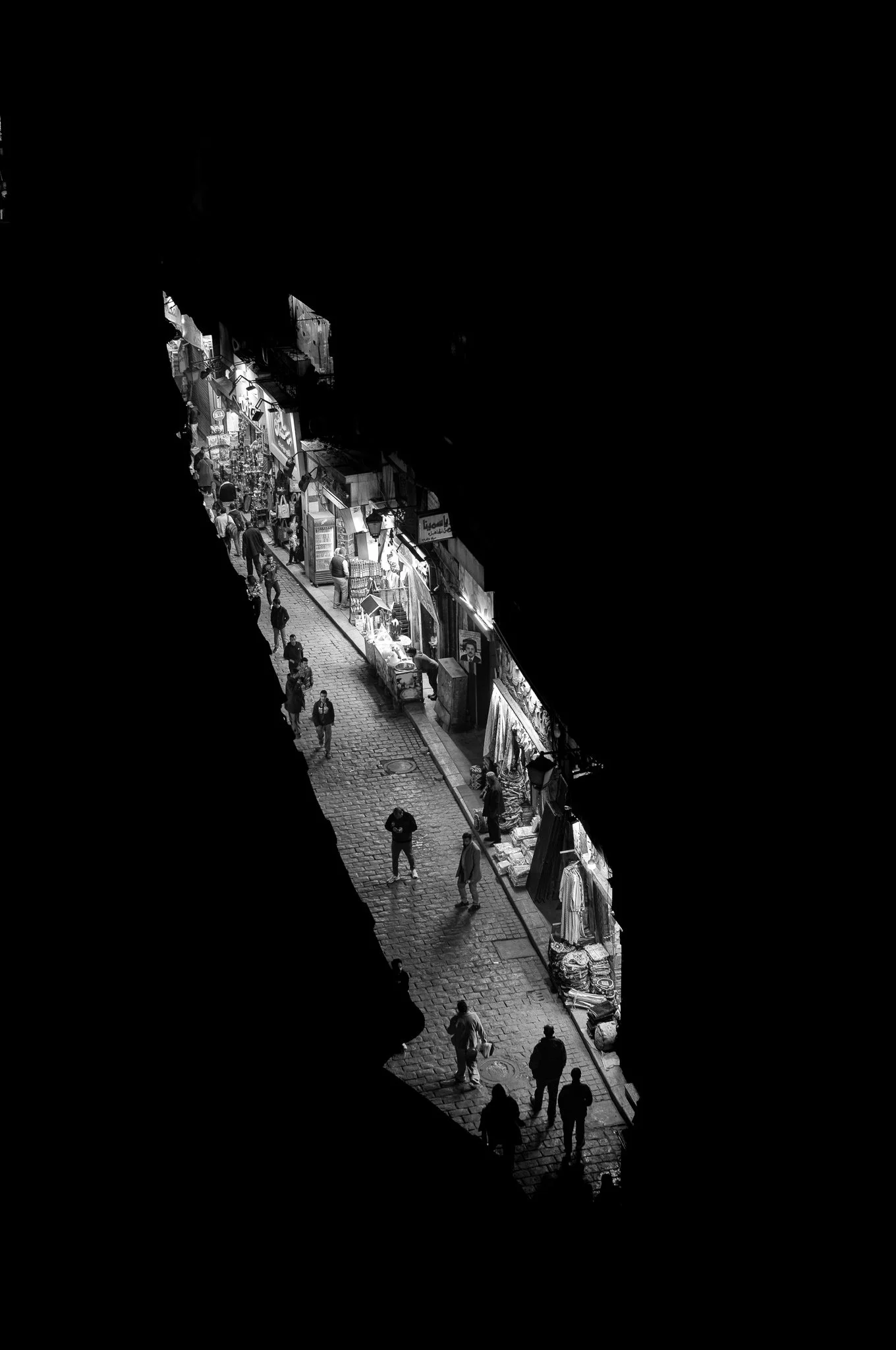
Cairo street scene
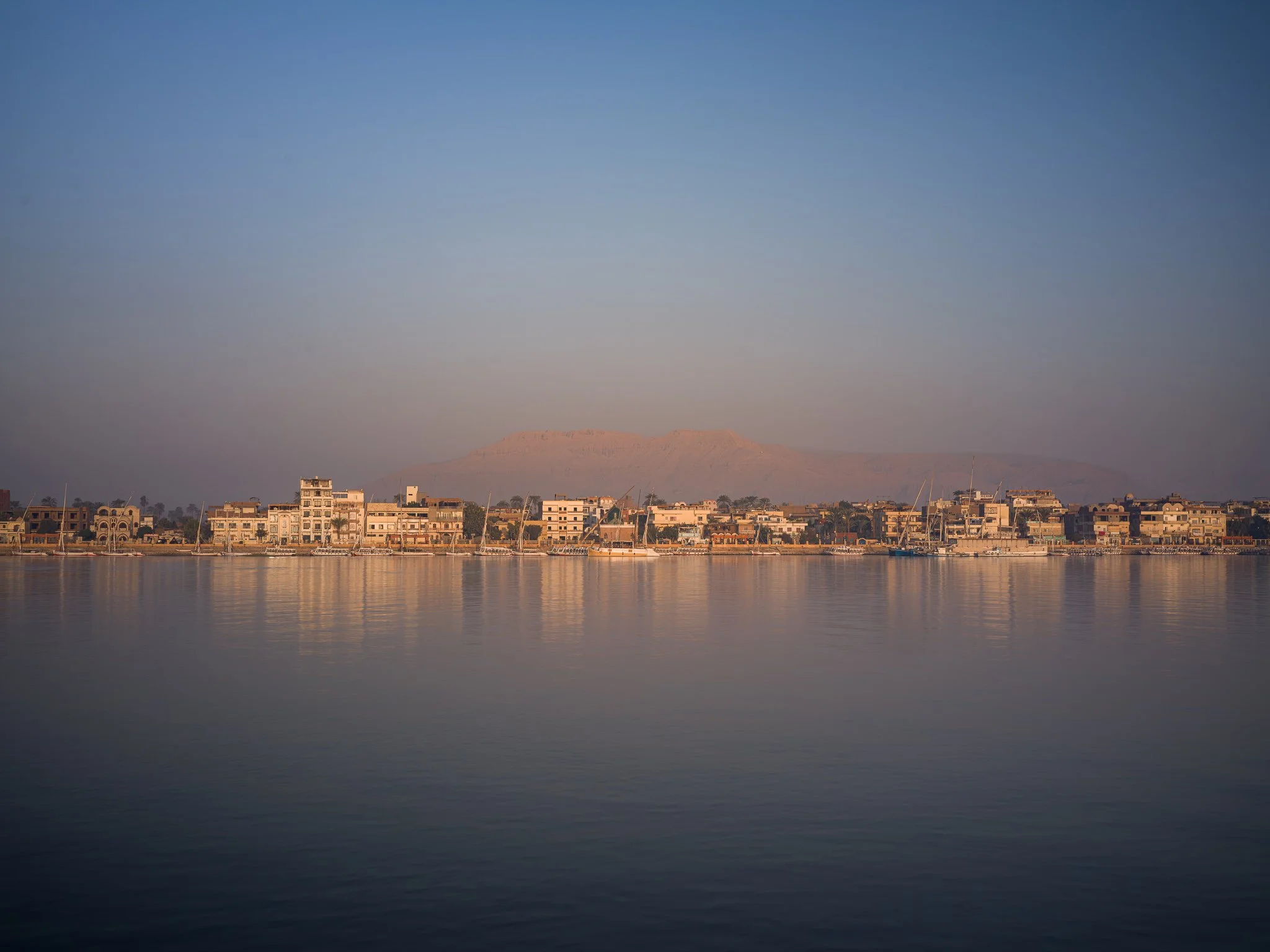
Luxor (with Valley of the Kings in the distance)
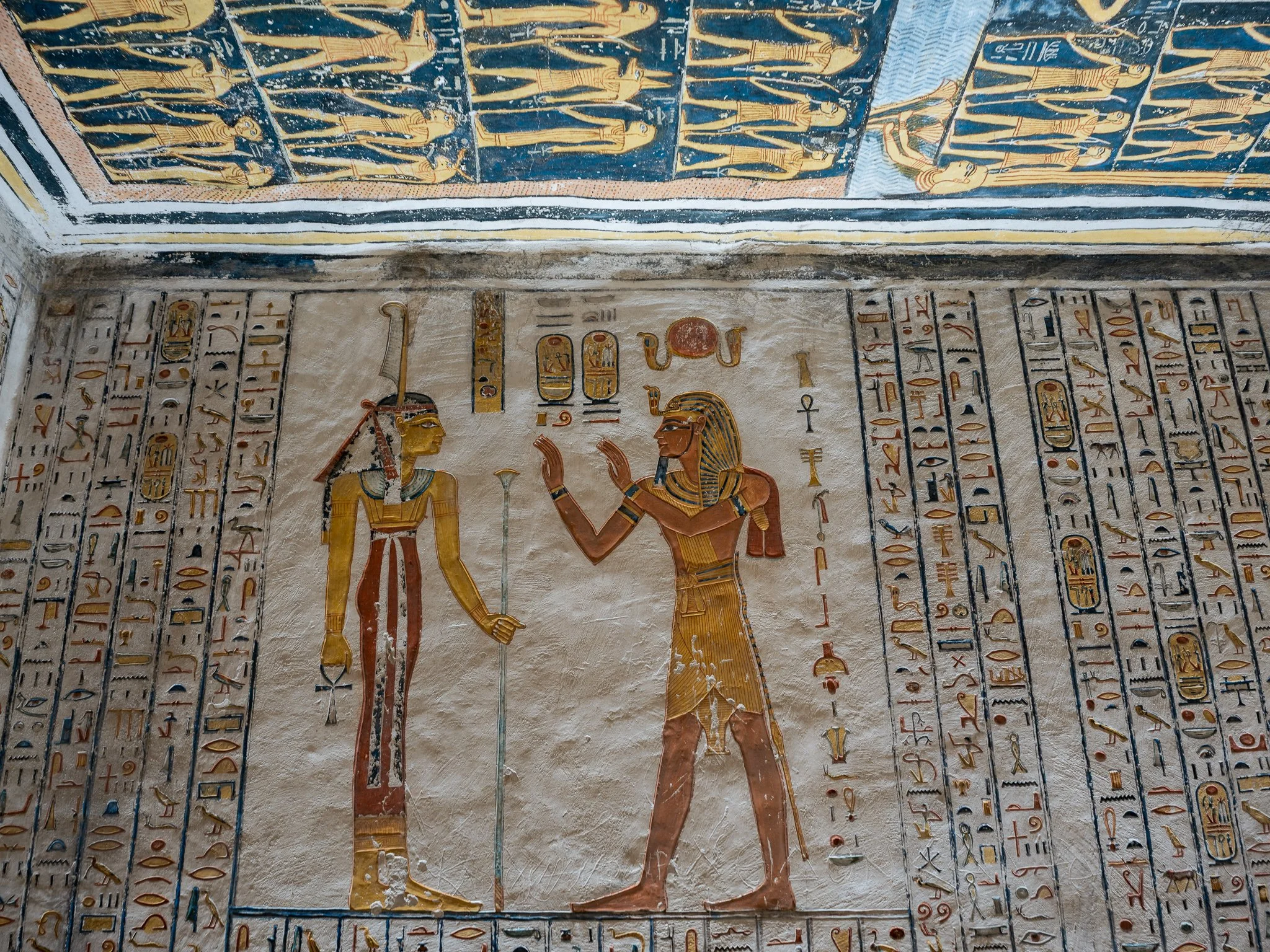
Tomb of Ramses V/VI
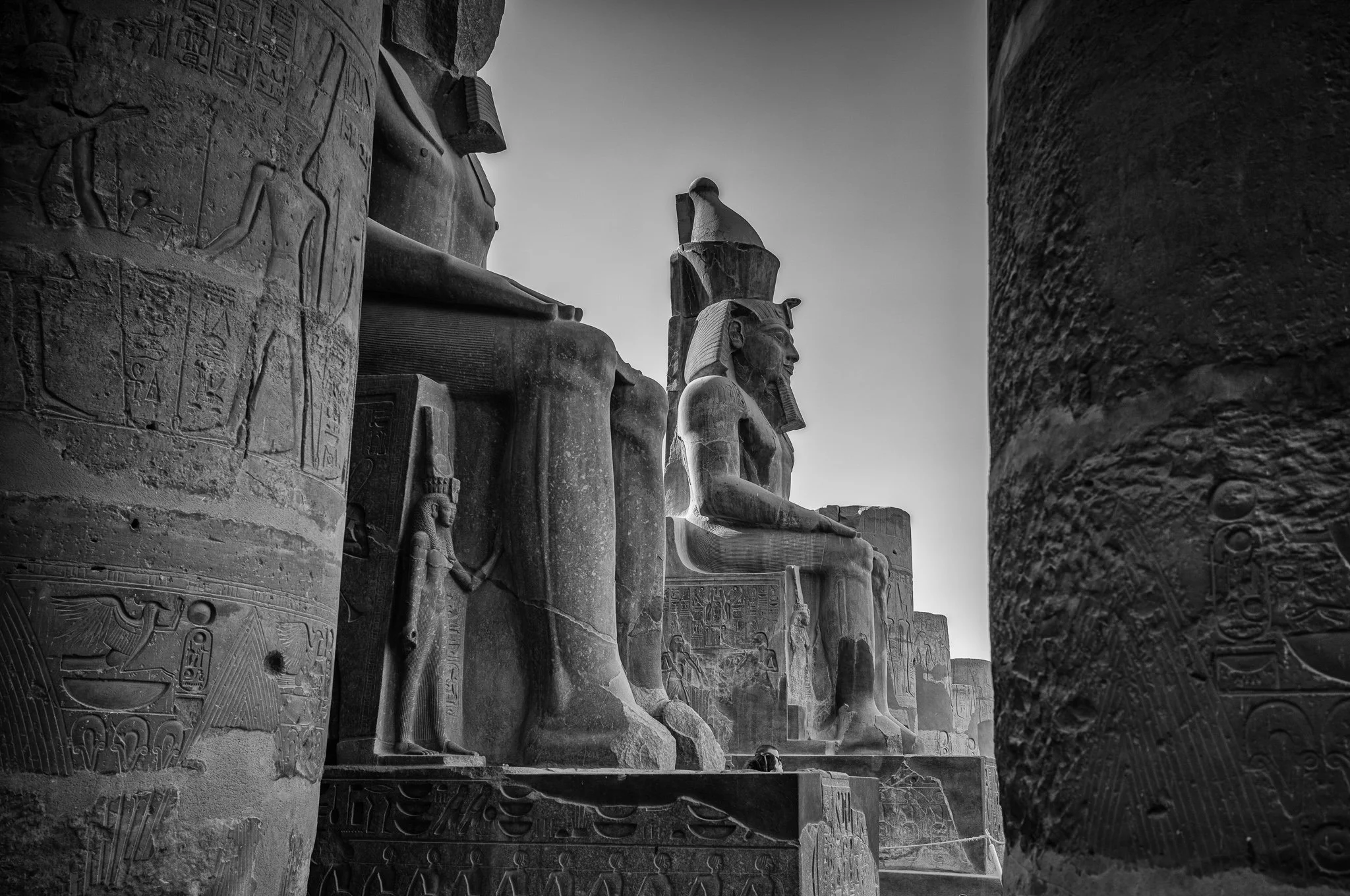
Luxor Temple
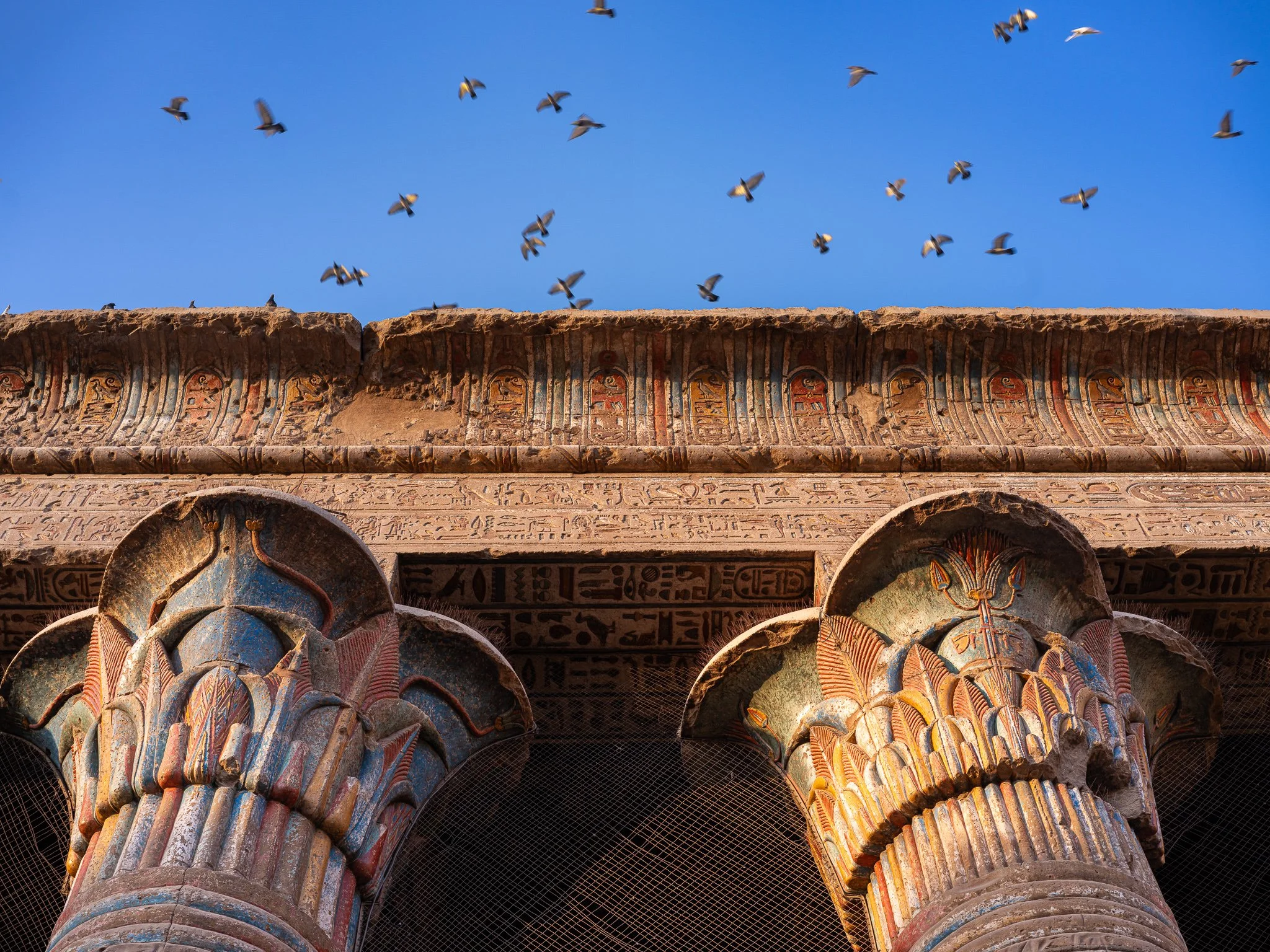
Esna Temple
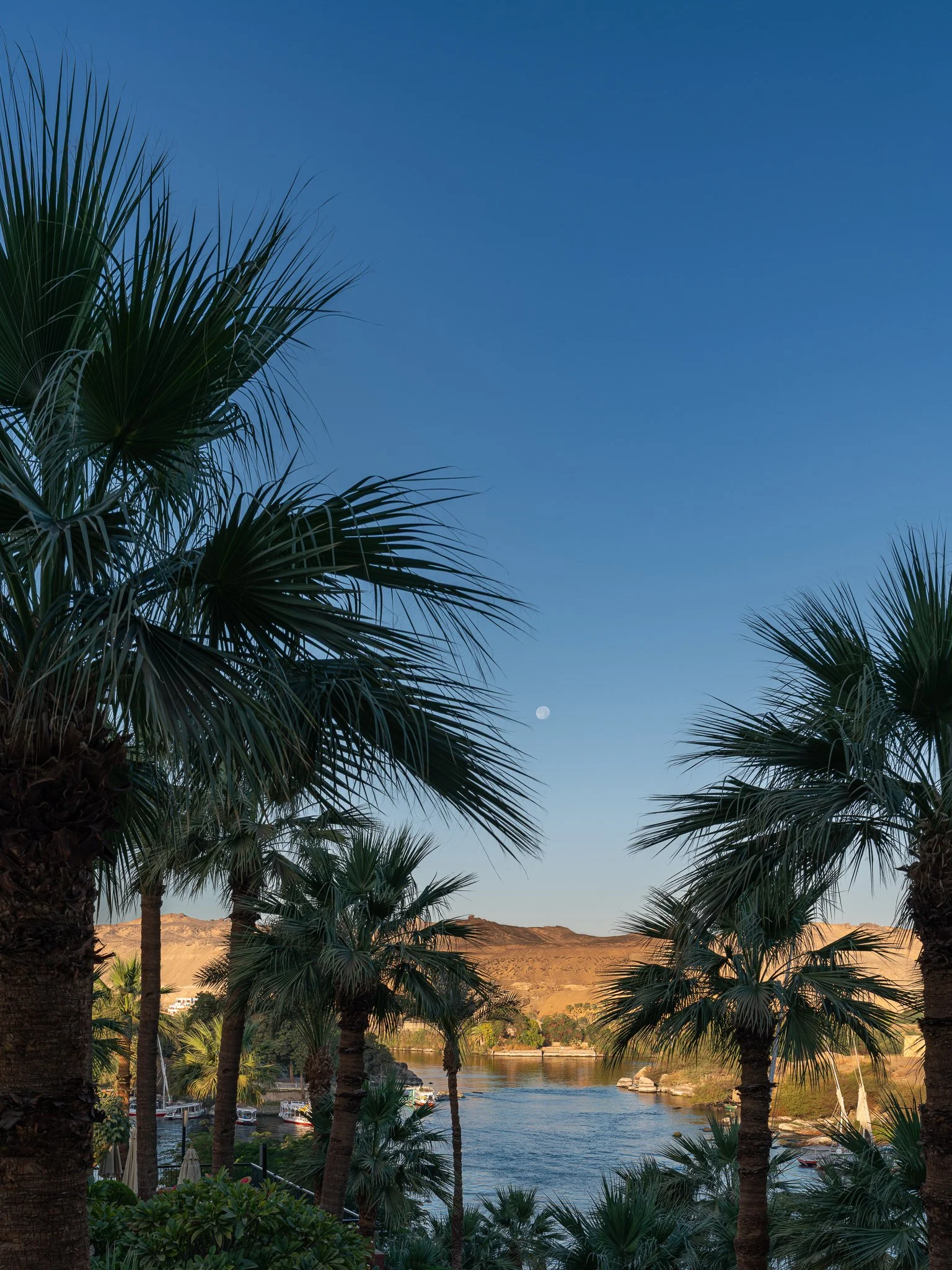
Nile River, Aswan
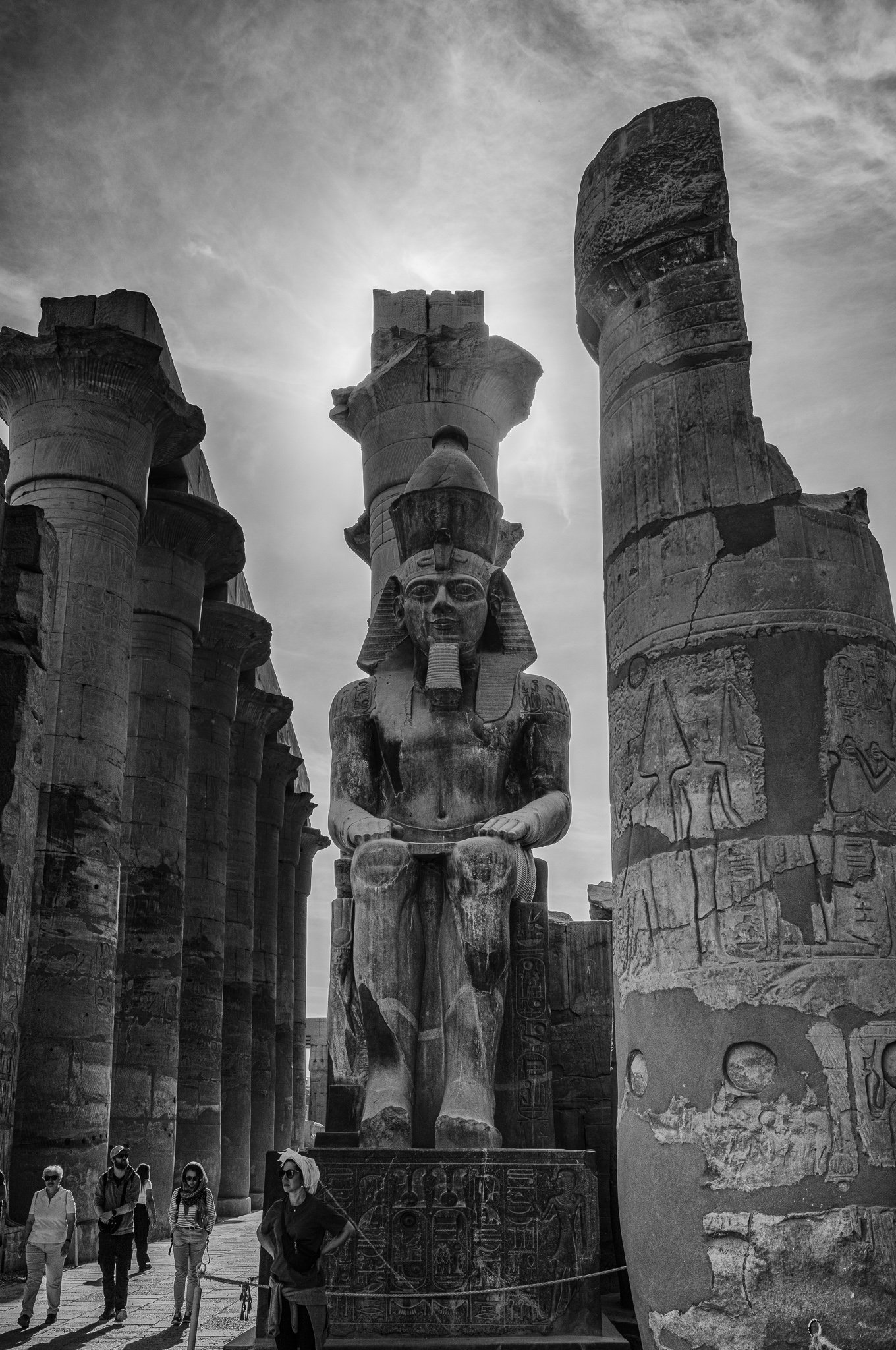
Luxor Temple
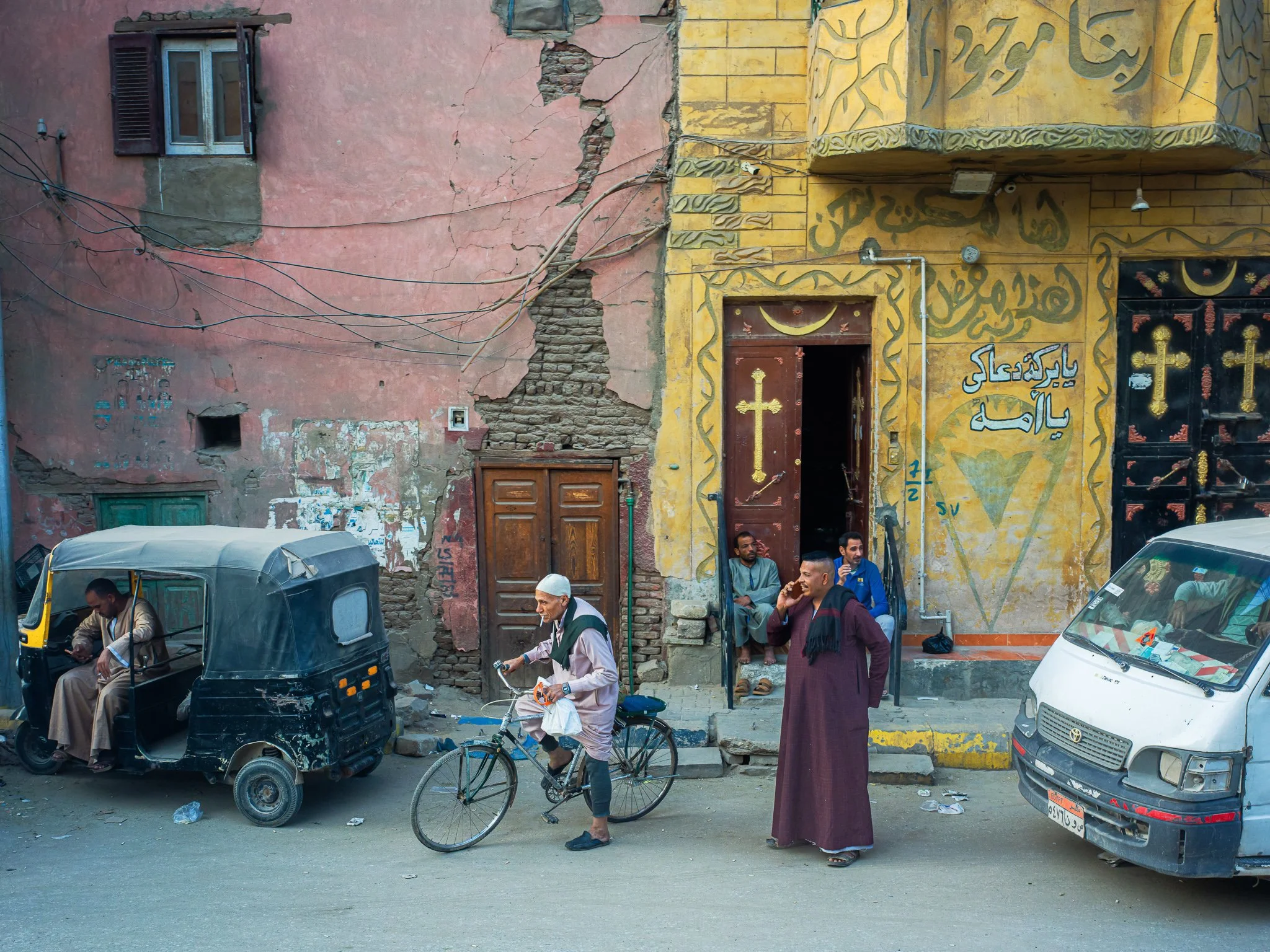
Luxor street scene (from the bus)
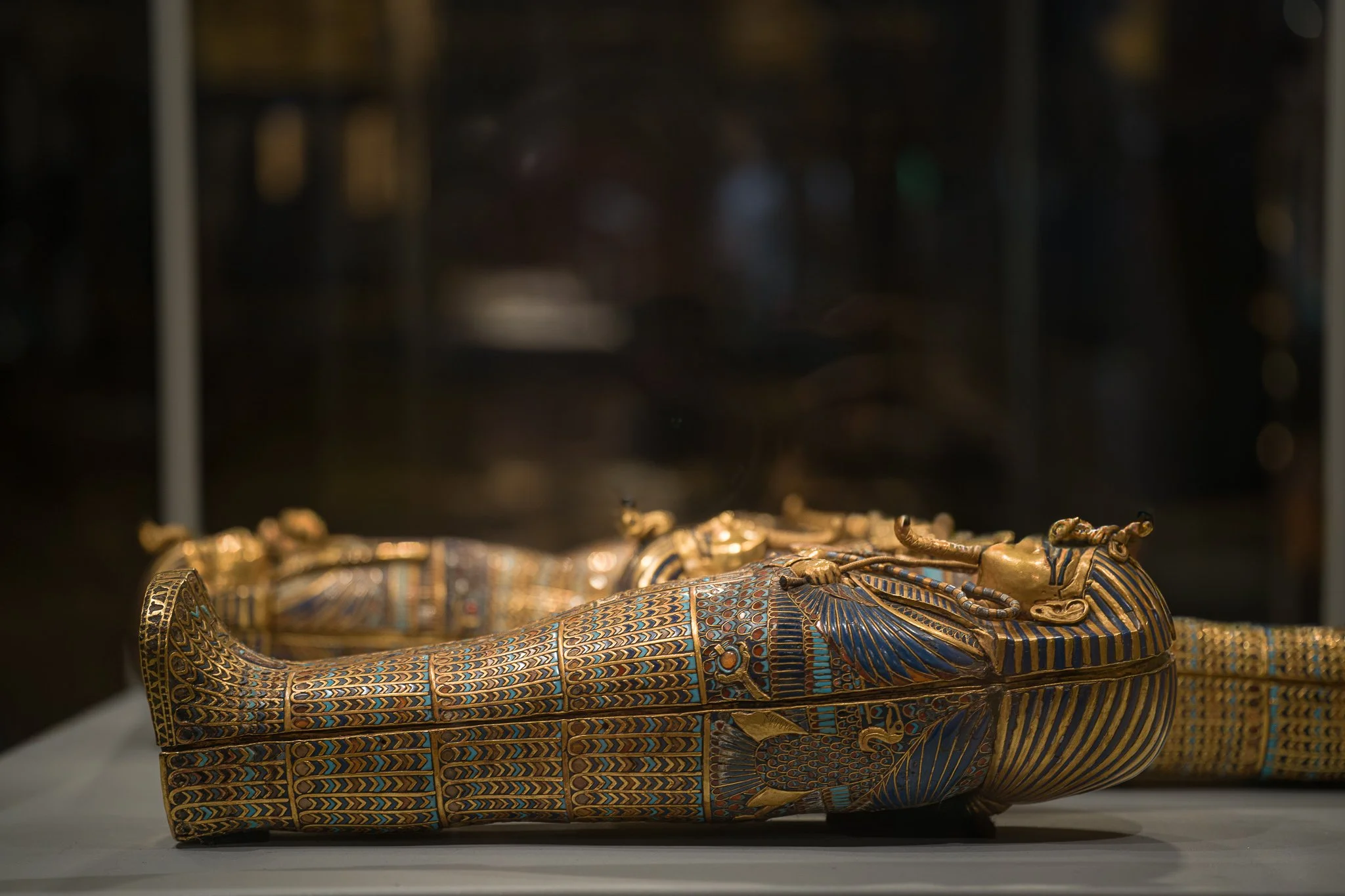
Tutankhamen's Tomb, GEM
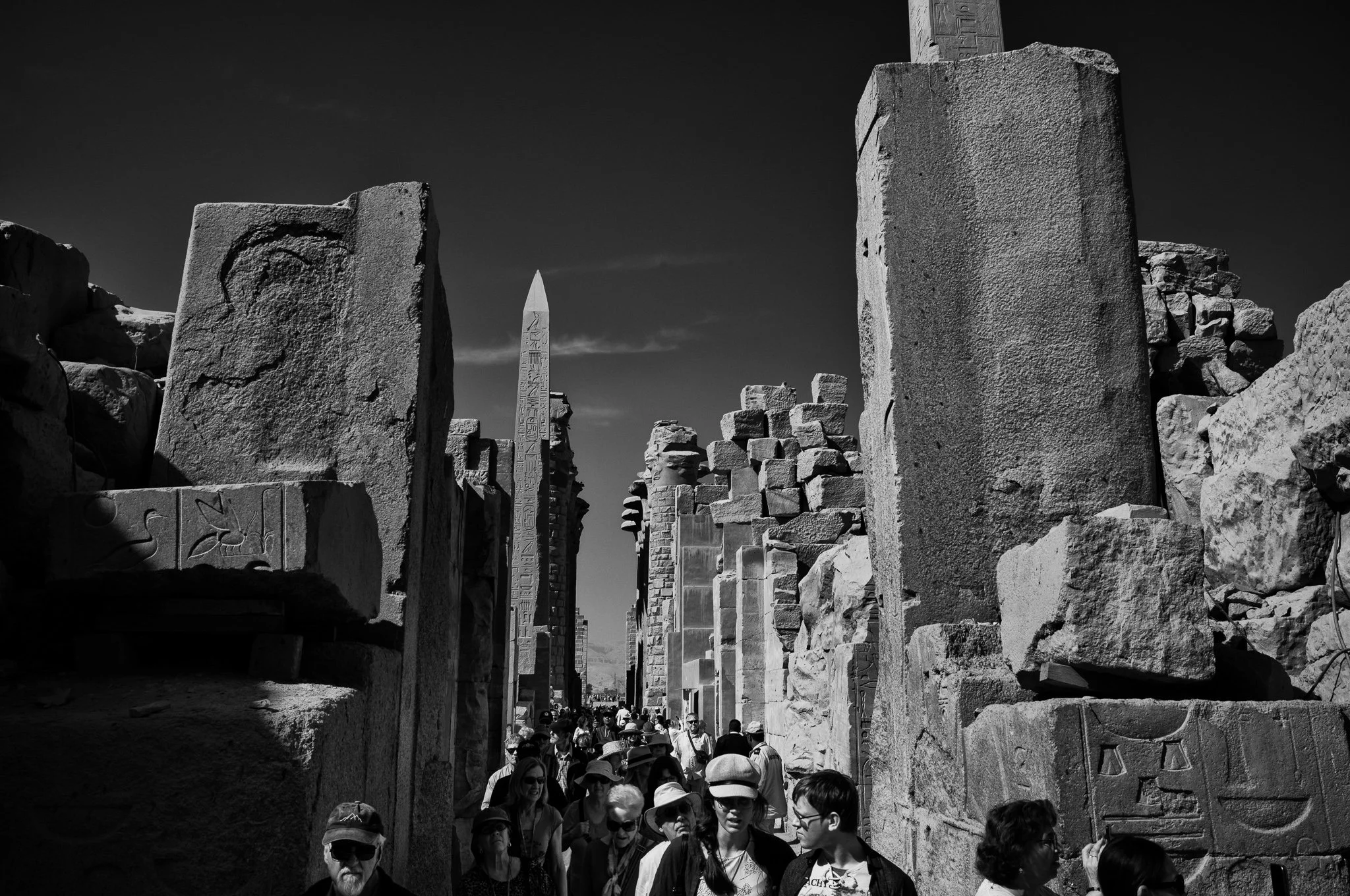
Karnak Temple
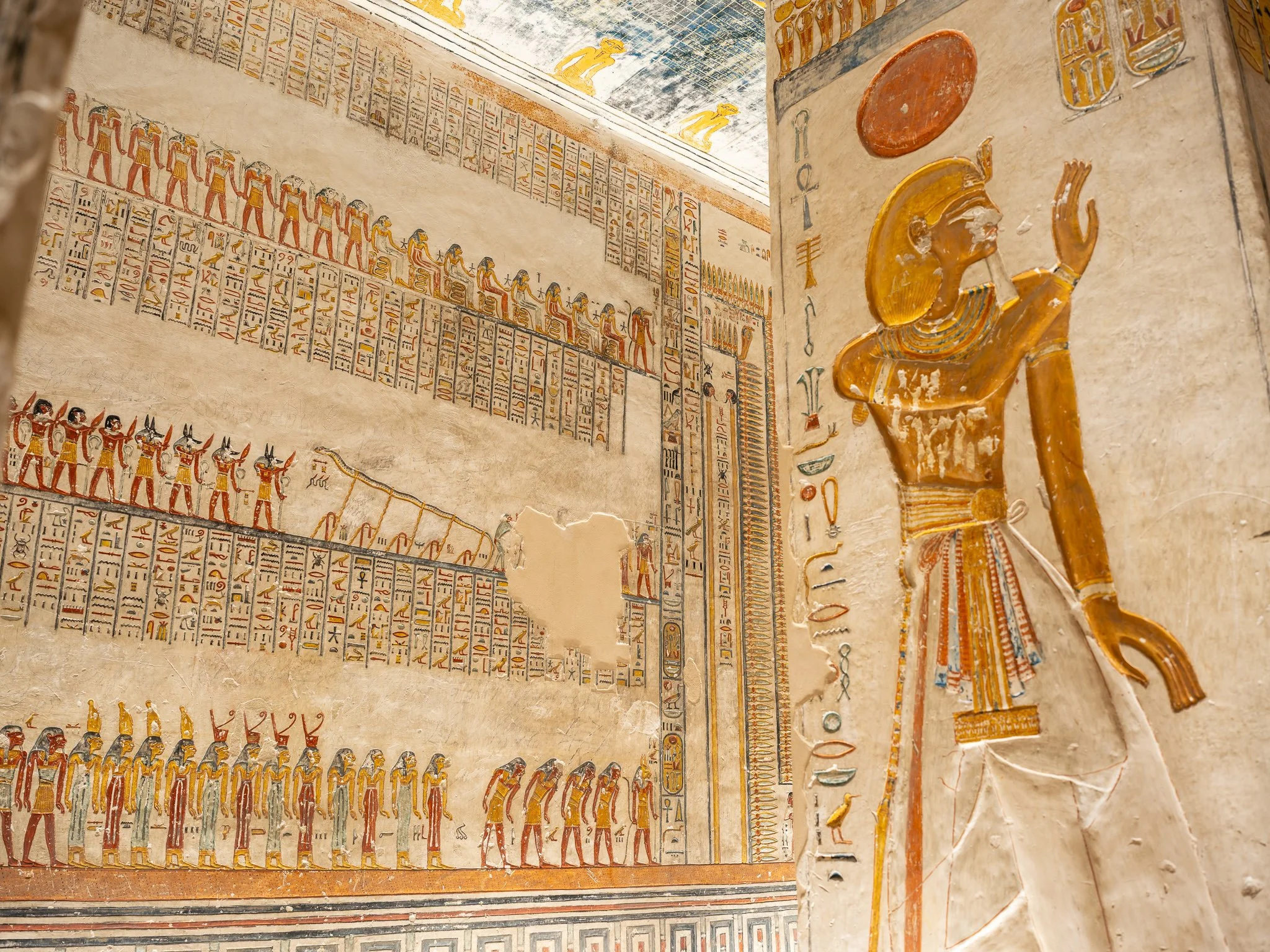
Tomb of Ramses V/VI
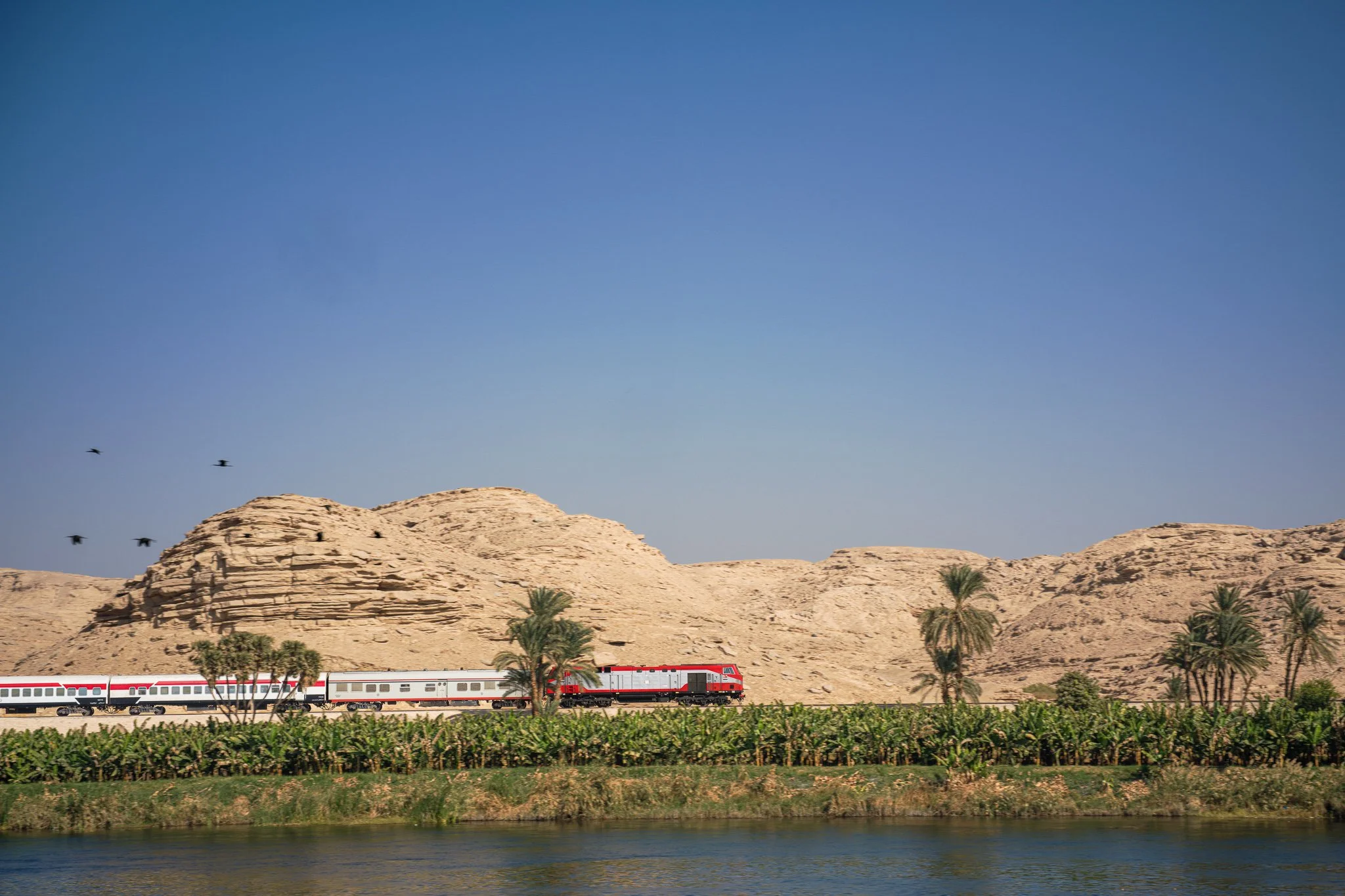
Nile River scene
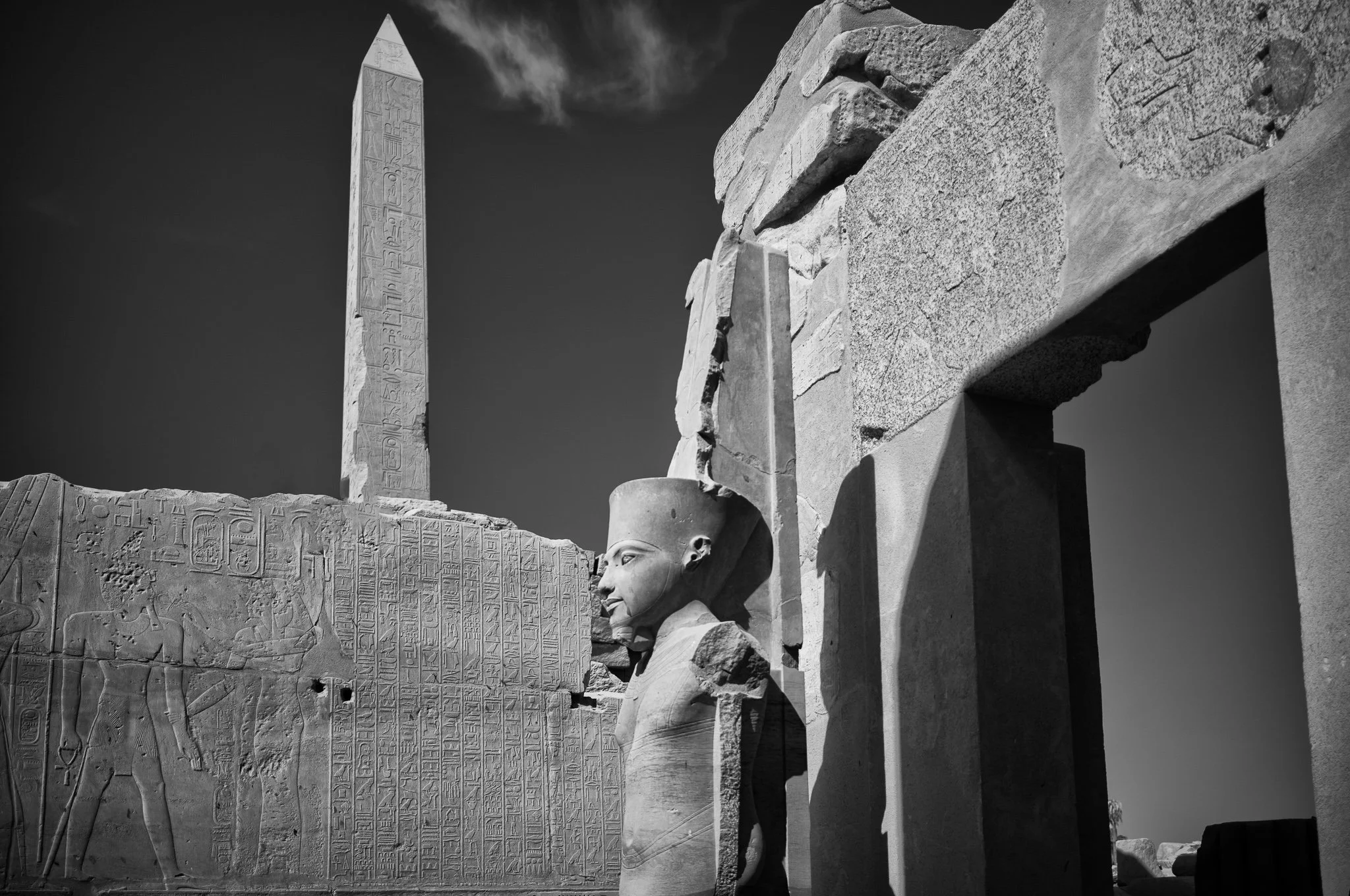
Karnak Temple
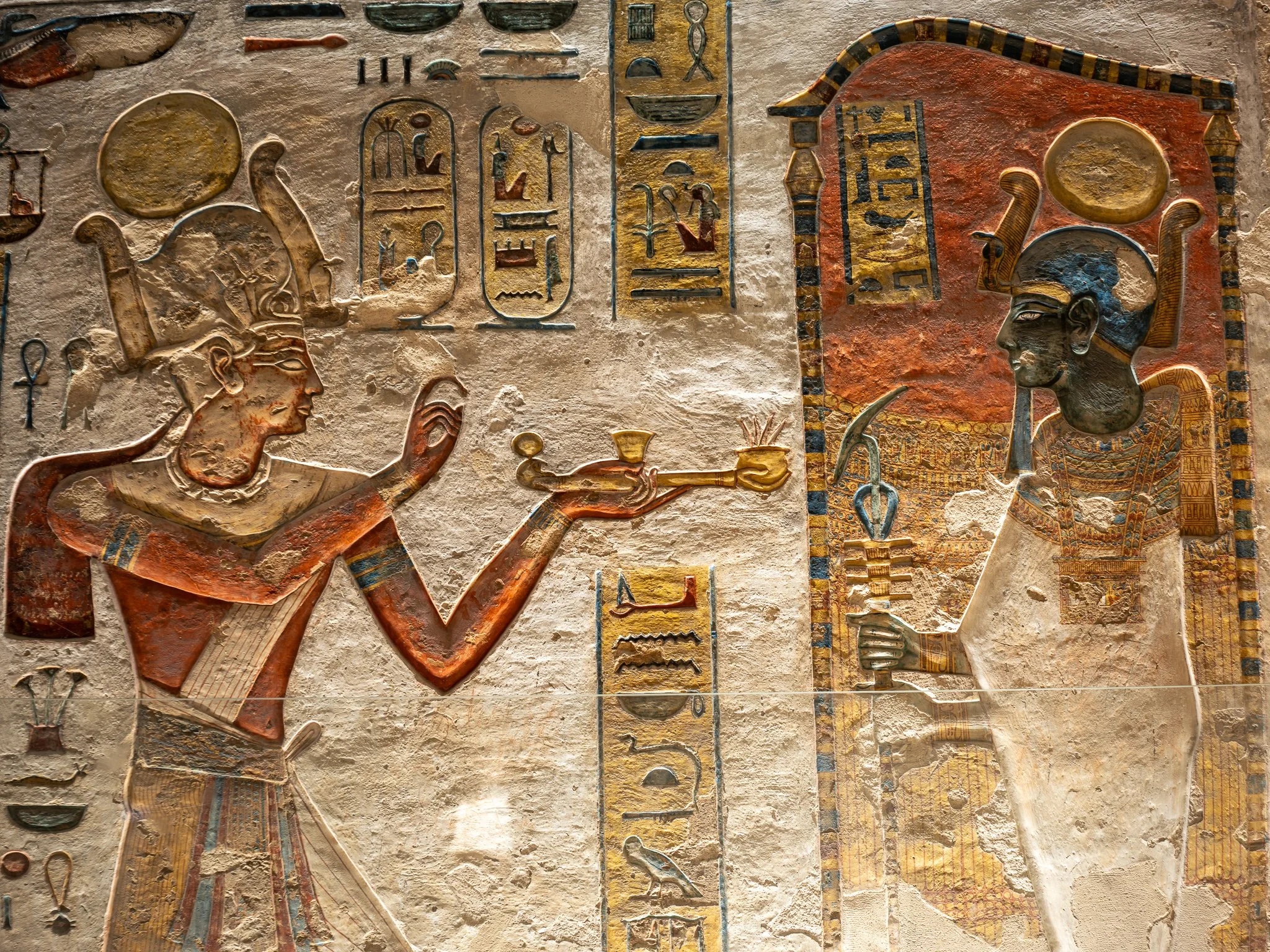
Tomb of Ramses V/VI
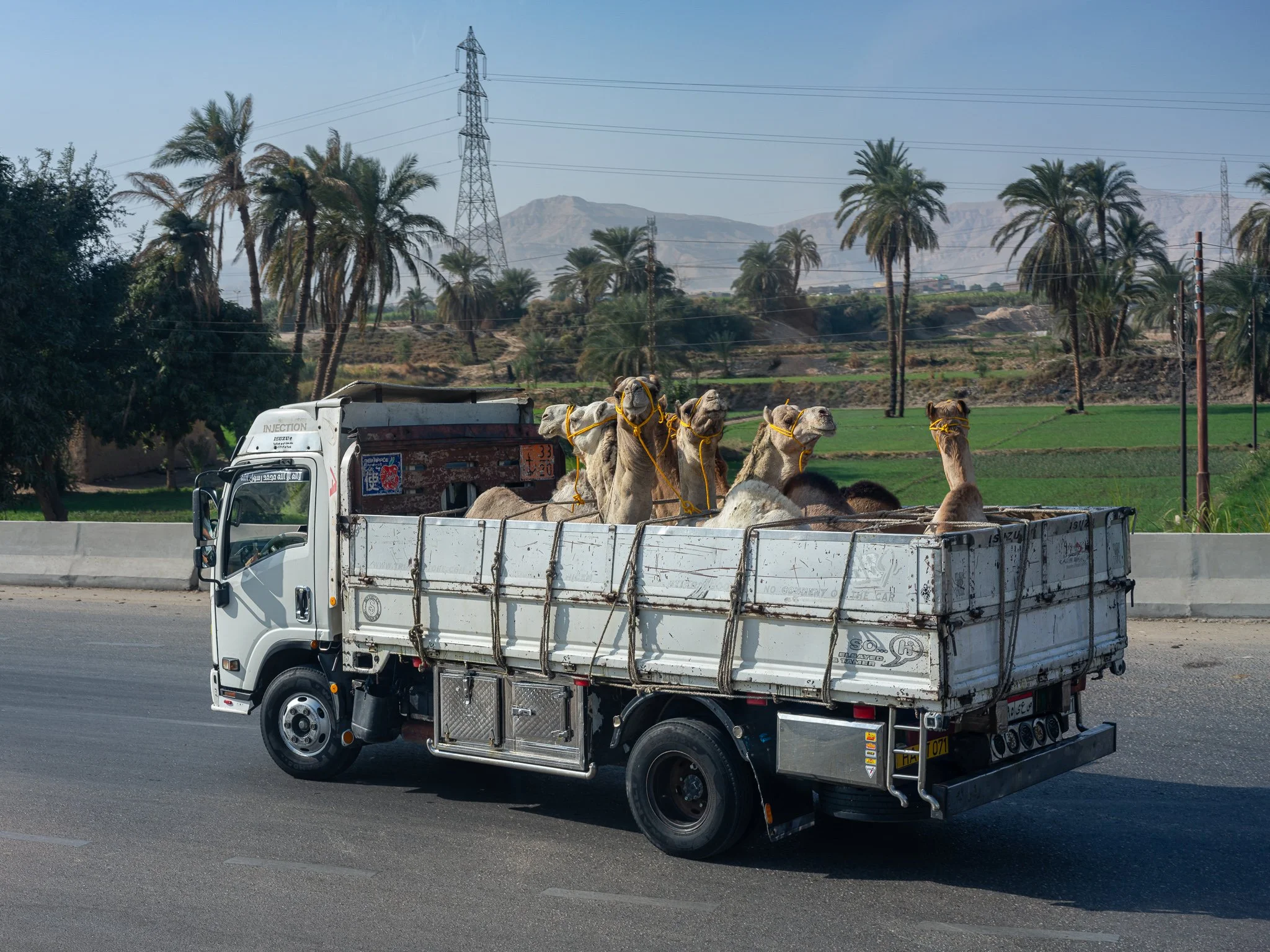
Luxor
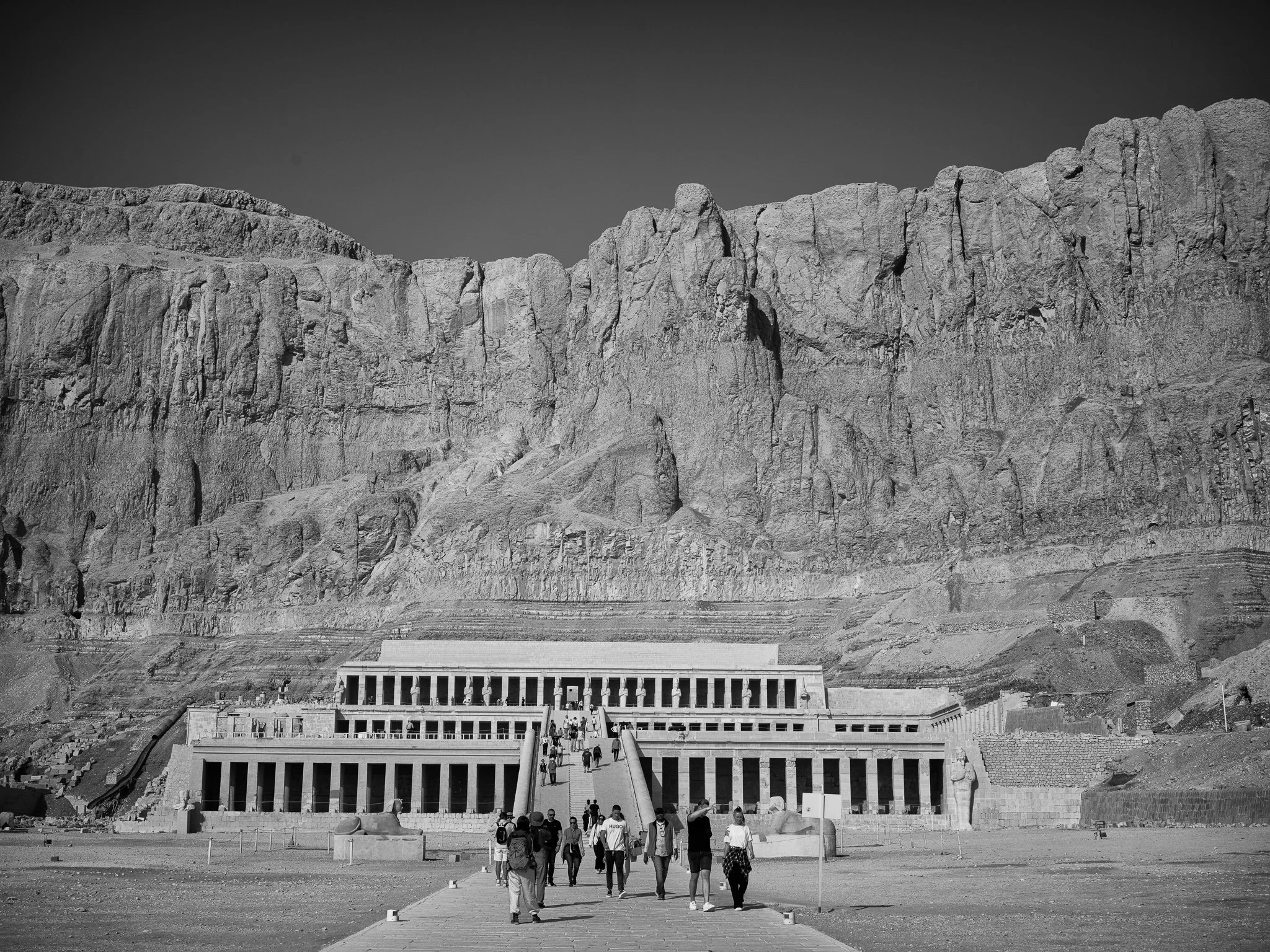
Hatshepsut's Temple
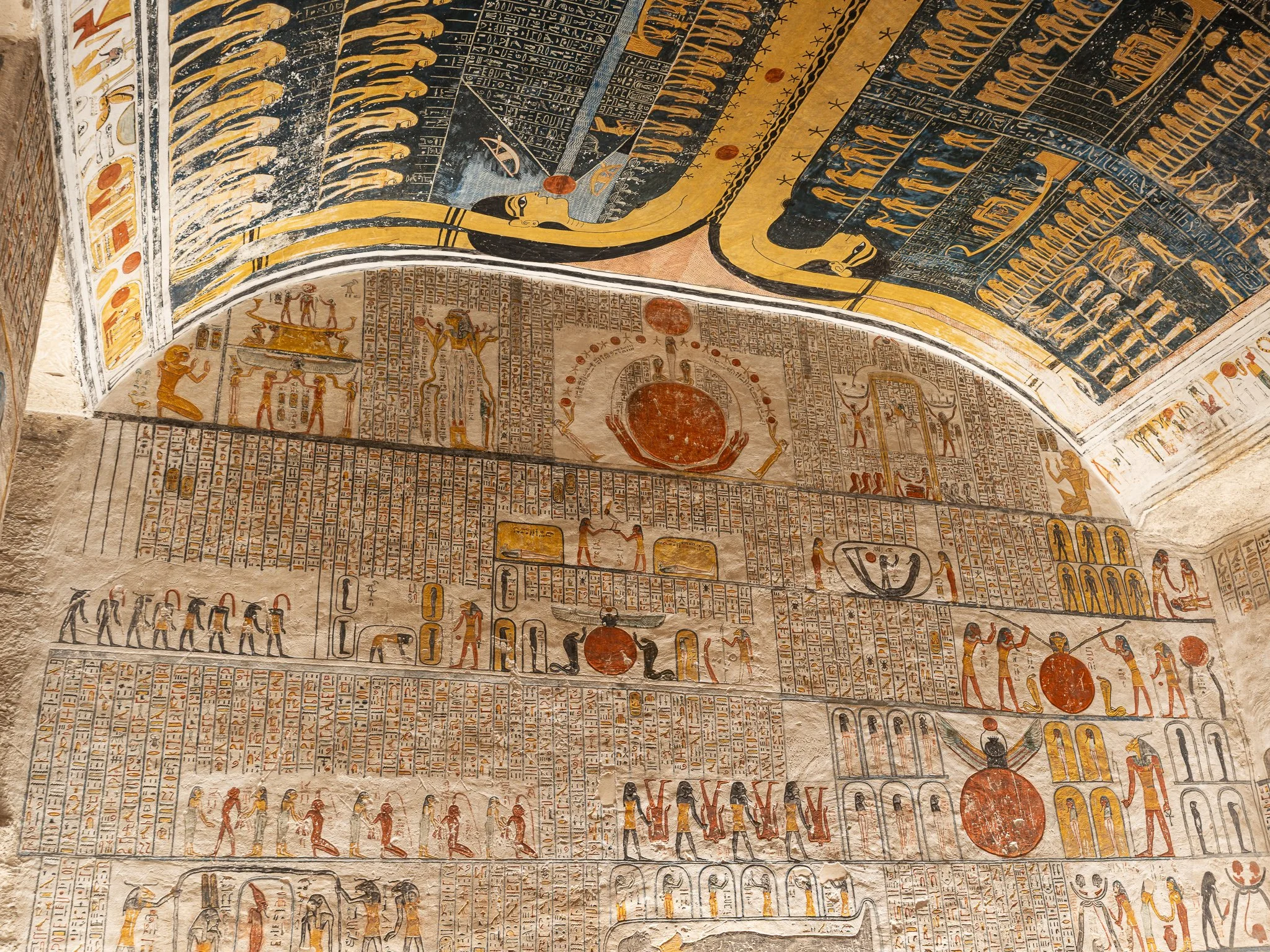
Tomb of Ramses V/VI
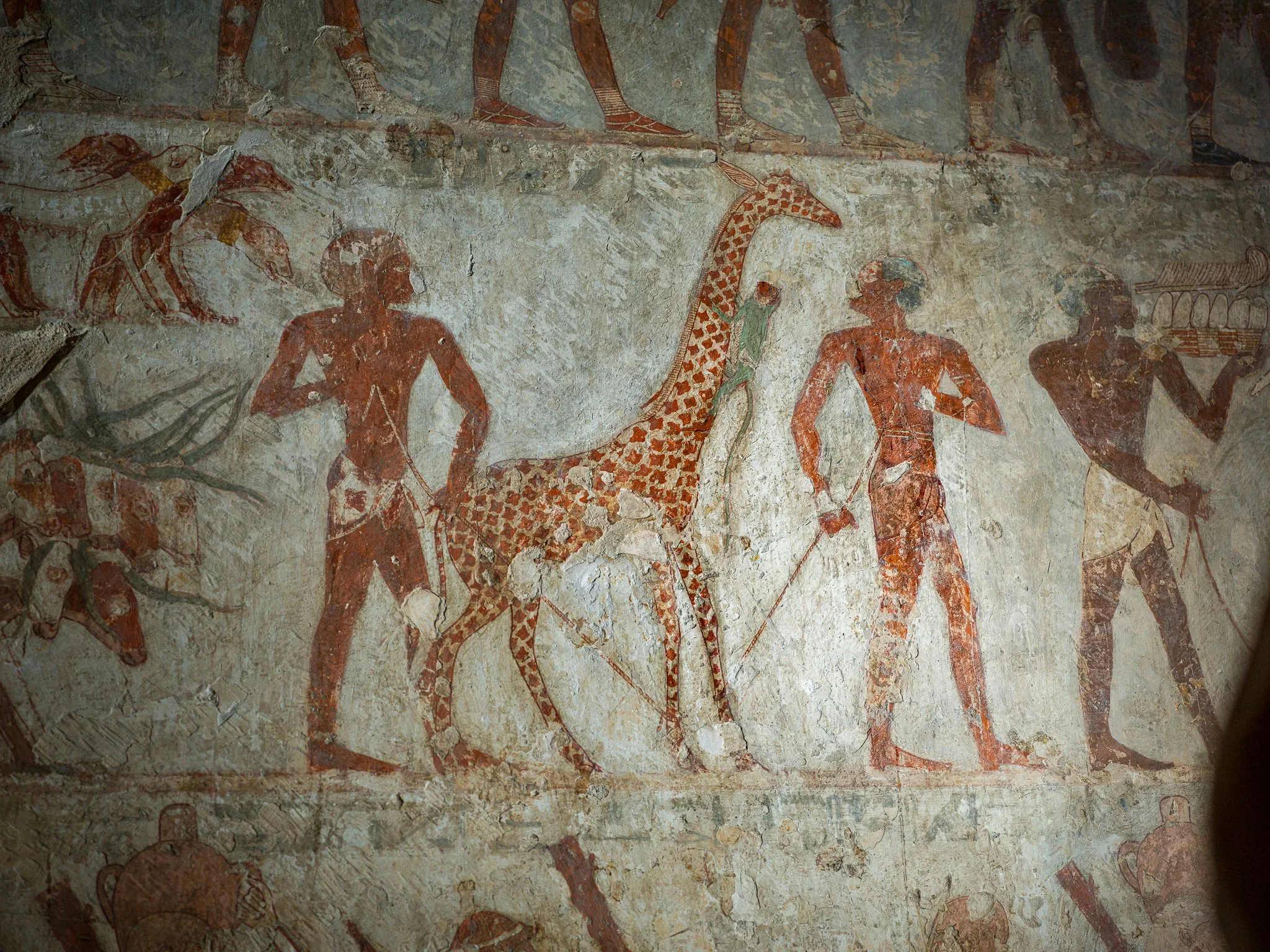
Noble's Tomb, Valley of the Nobles
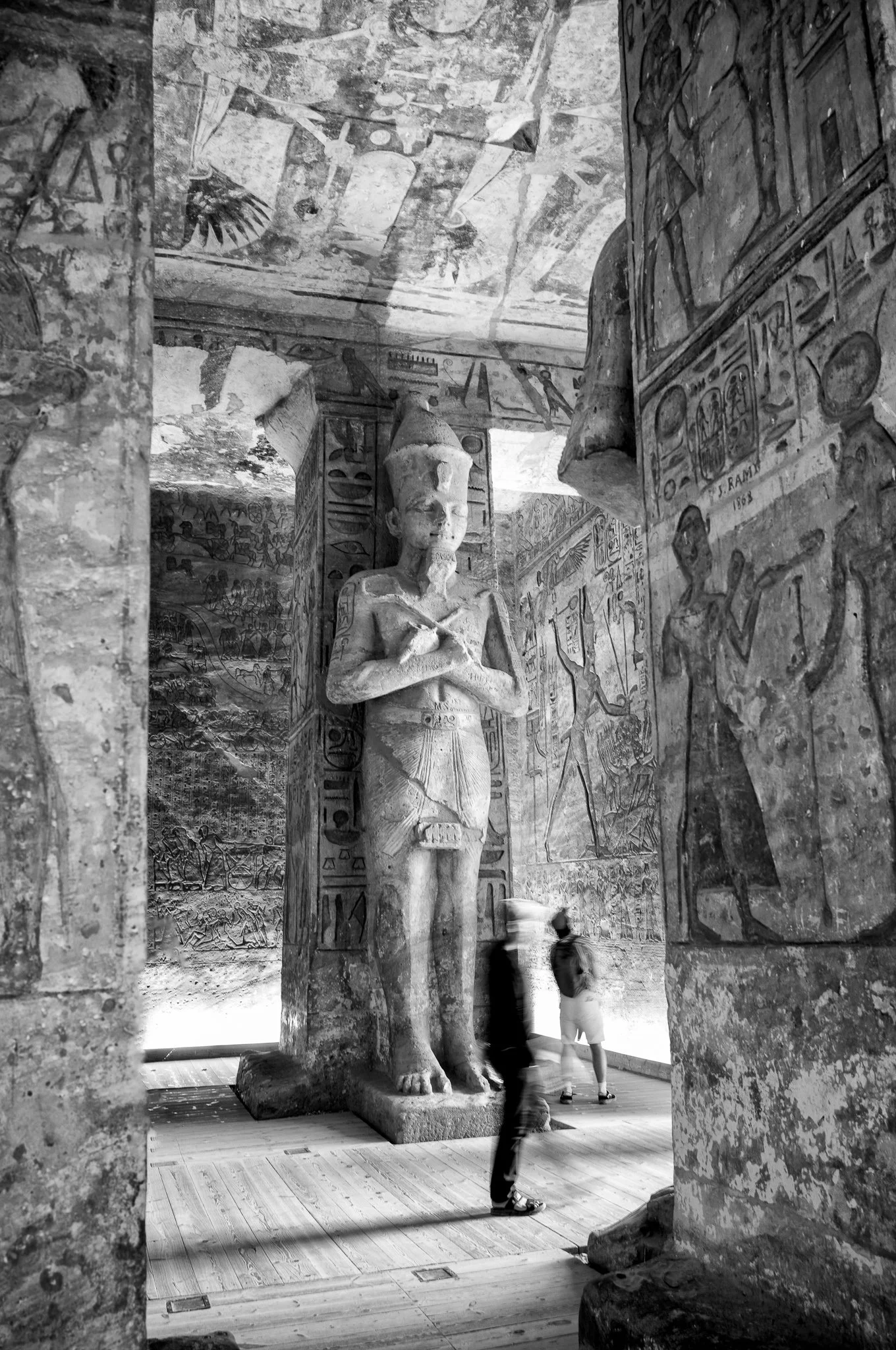
Abu Simbel
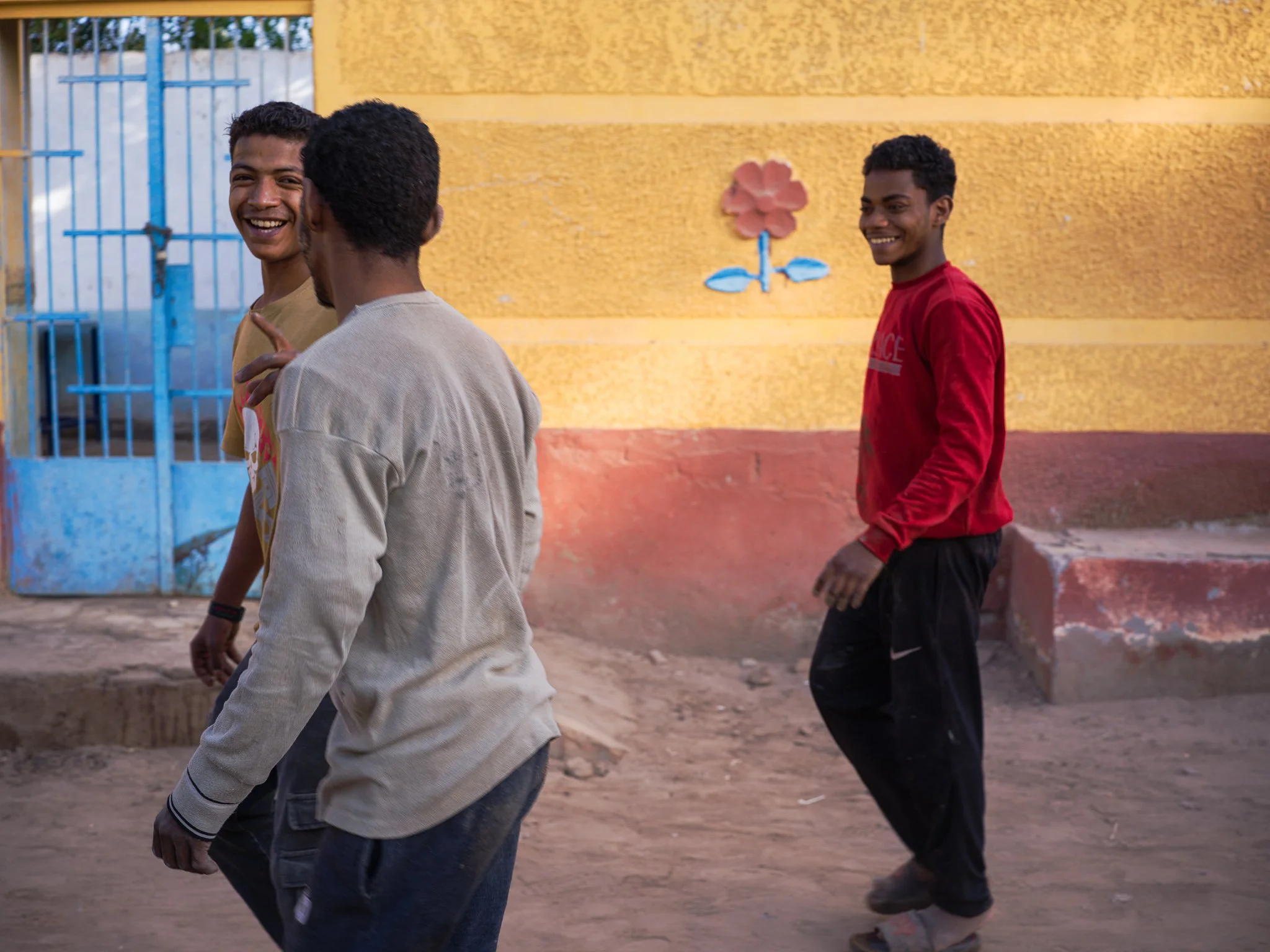
Aswan street scene
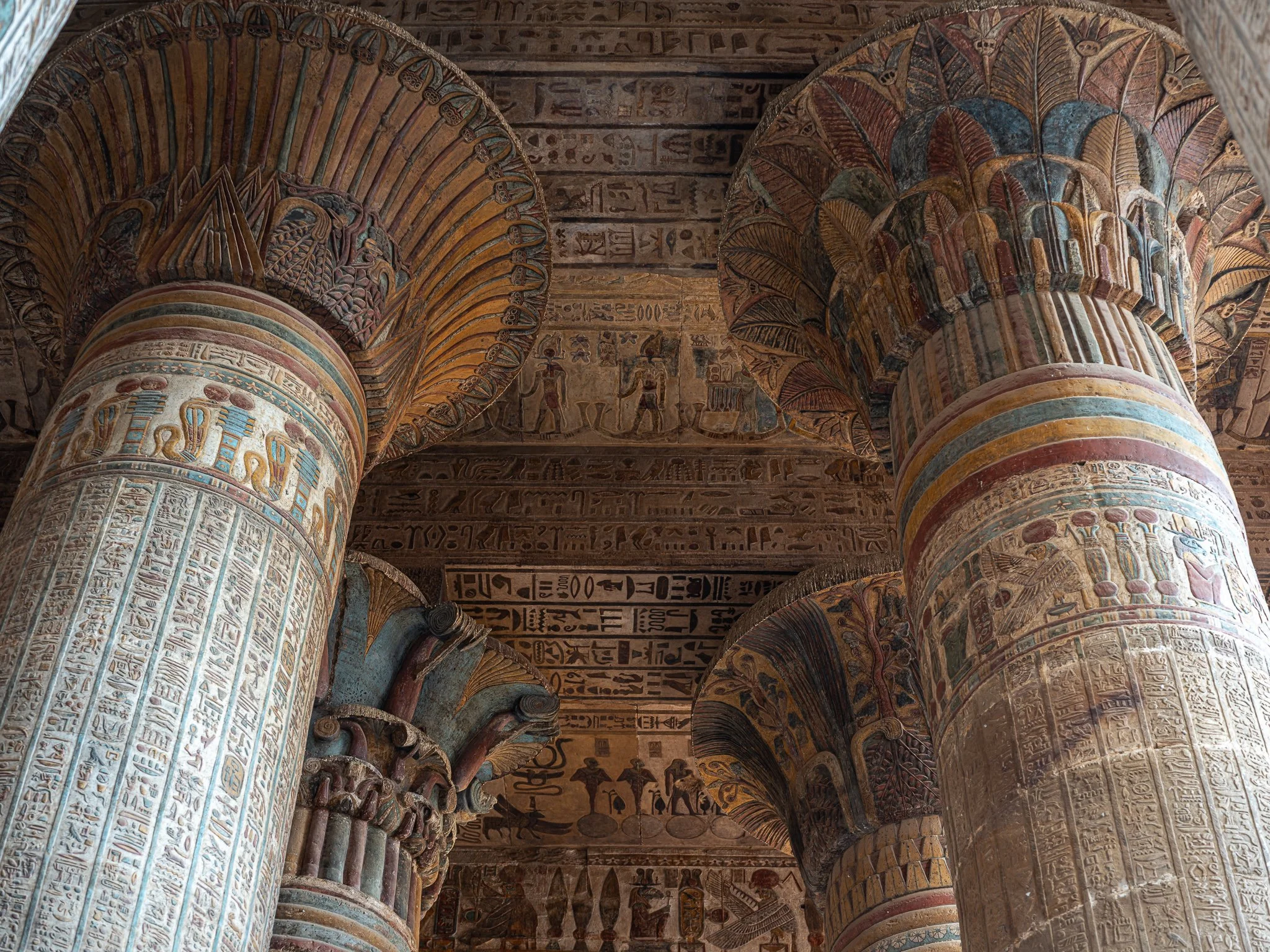
Esna Temple

Cairo street scene
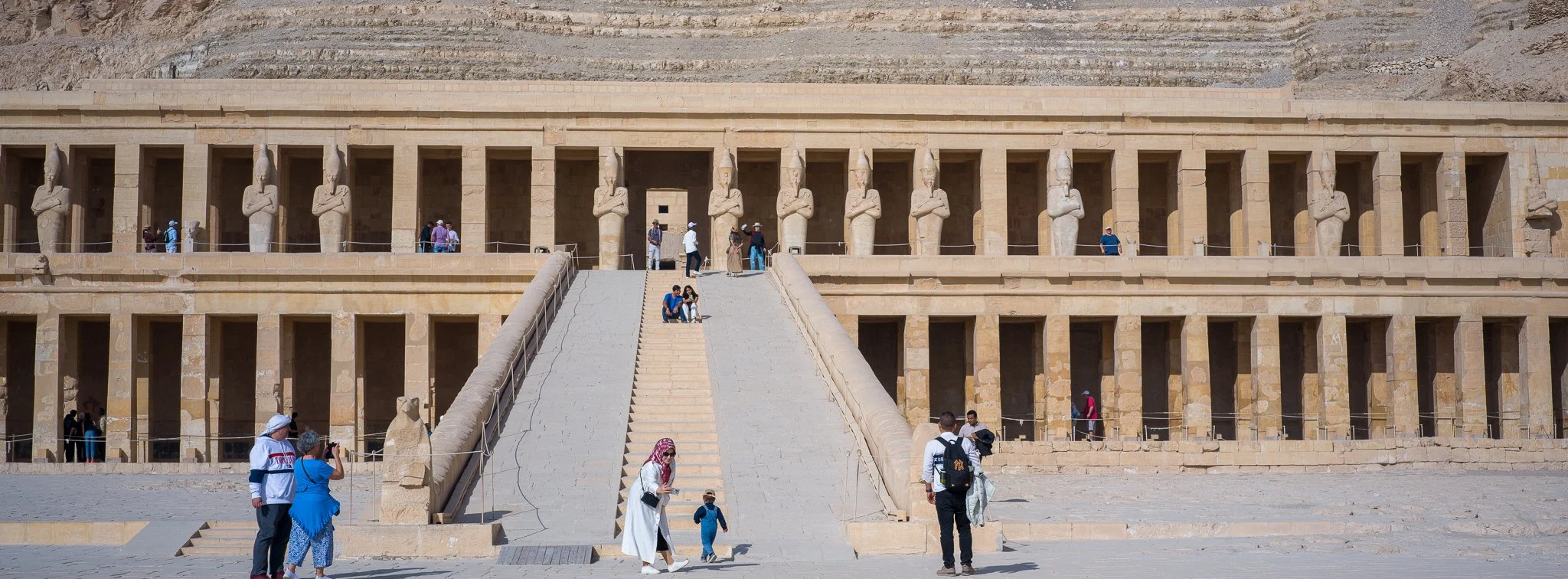
Hatshepsut's Temple
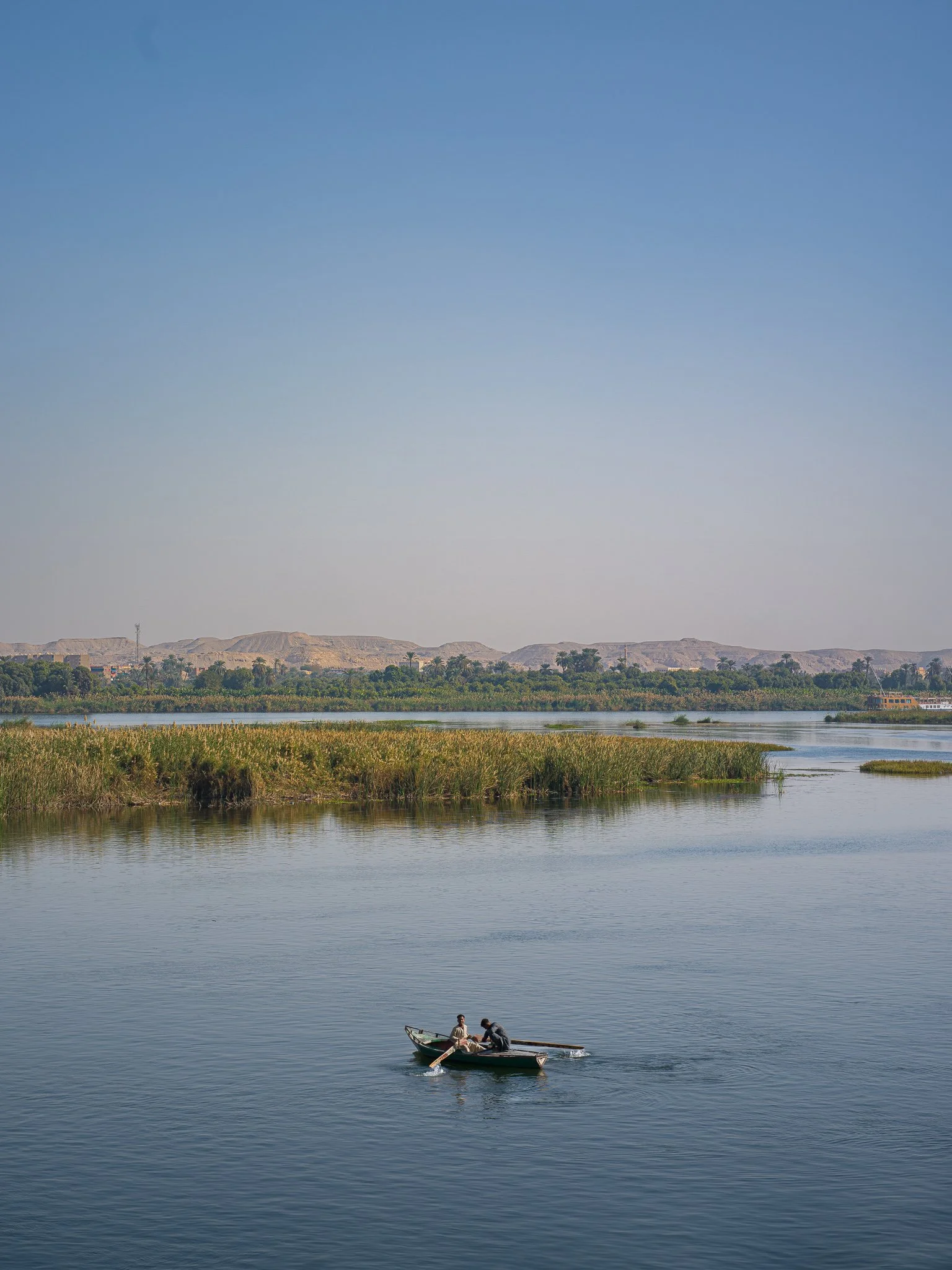
Nile River scene
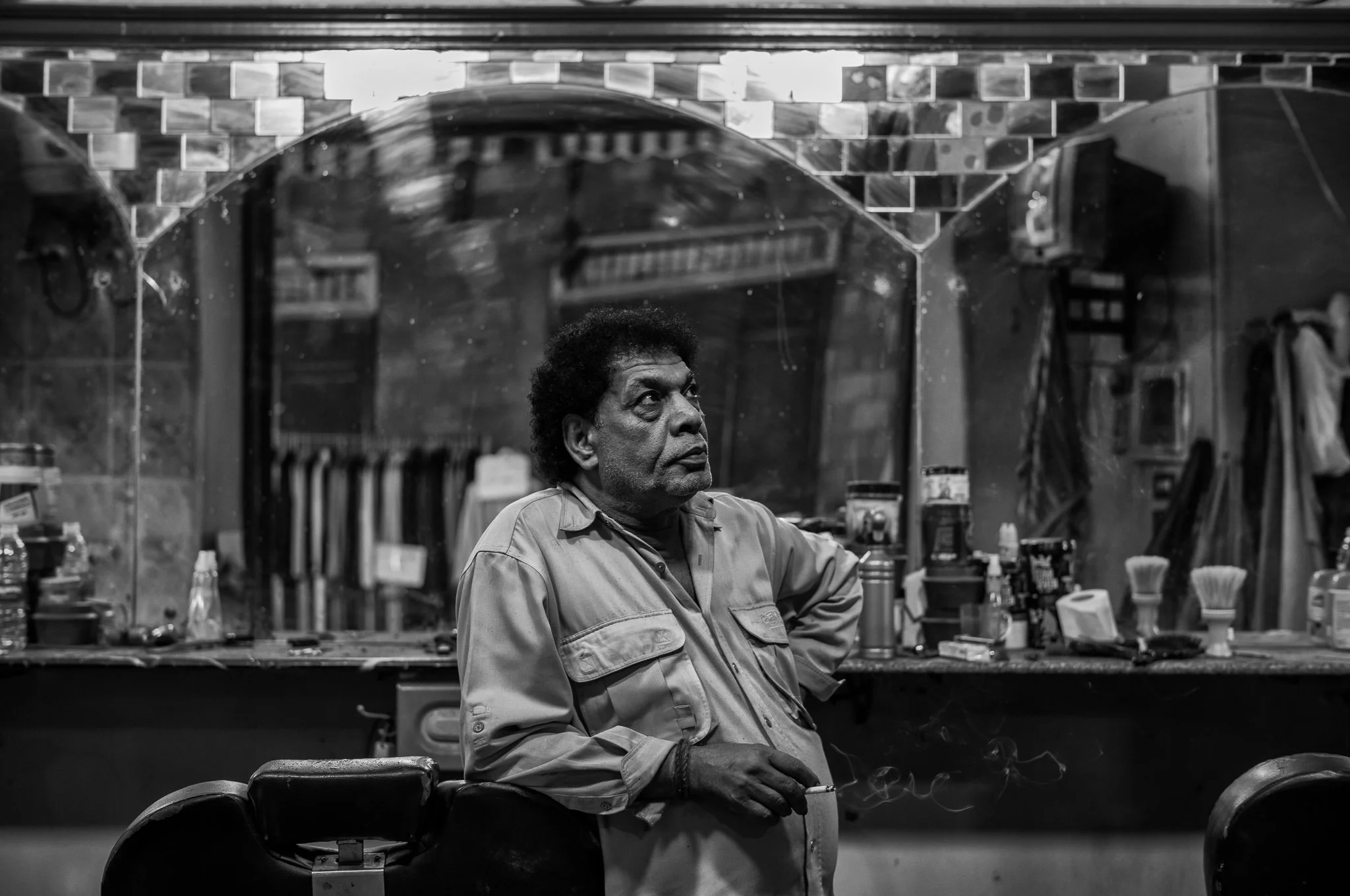
Aswan street scene
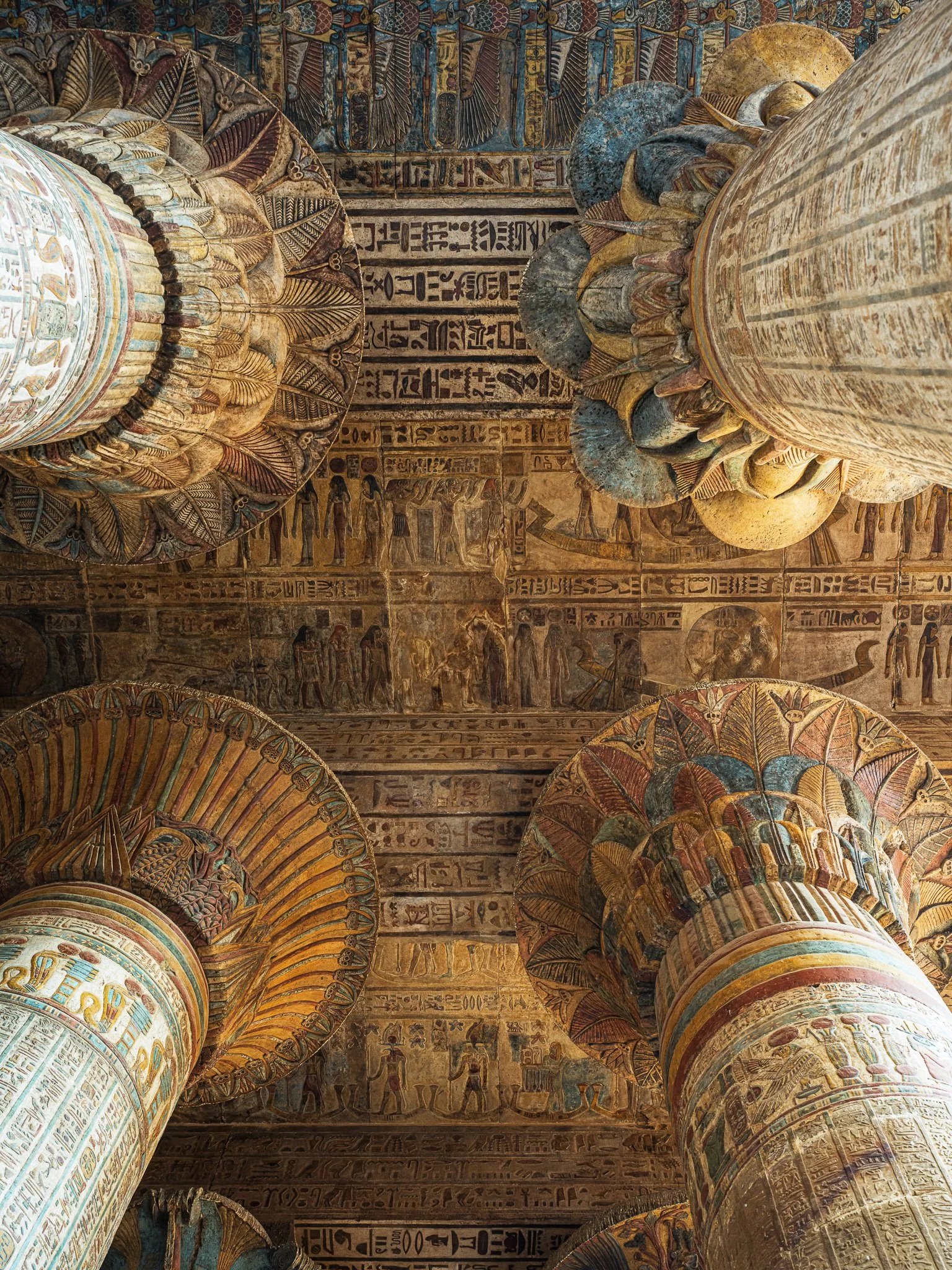
Esna Temple
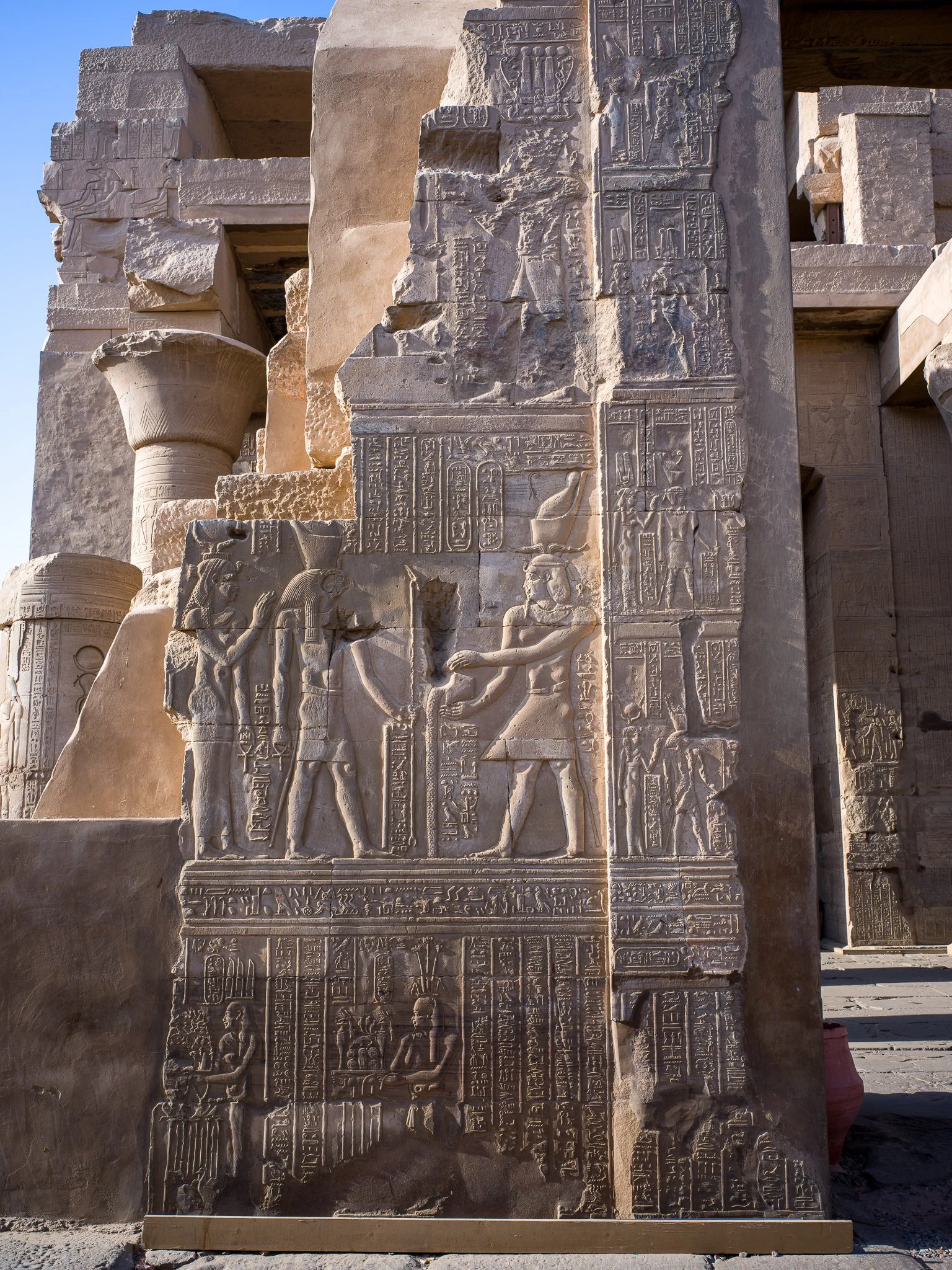
Temple of Kom Ombo
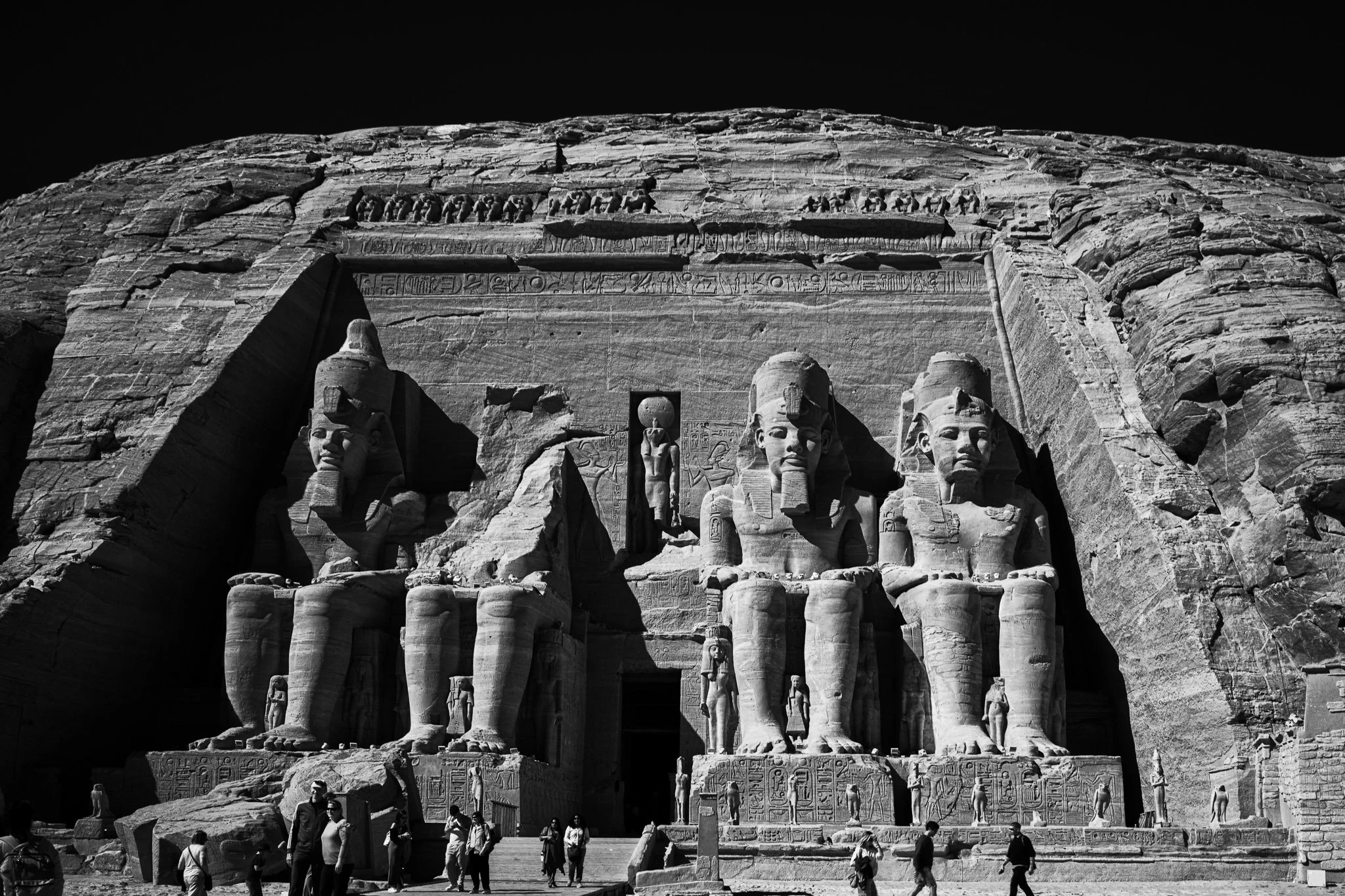
Abu Simbel
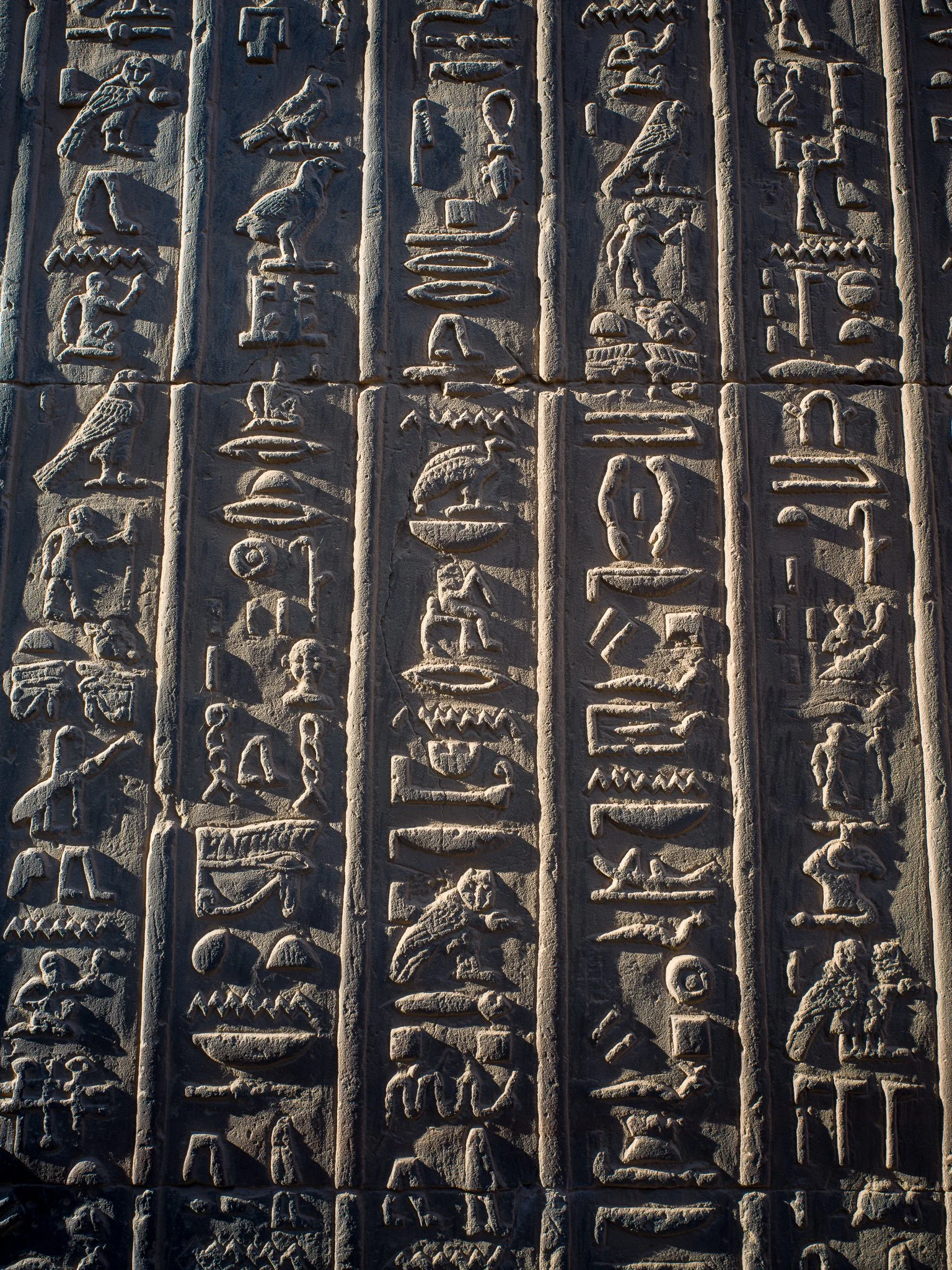
Hieroglyph, Temple of Kom Ombo
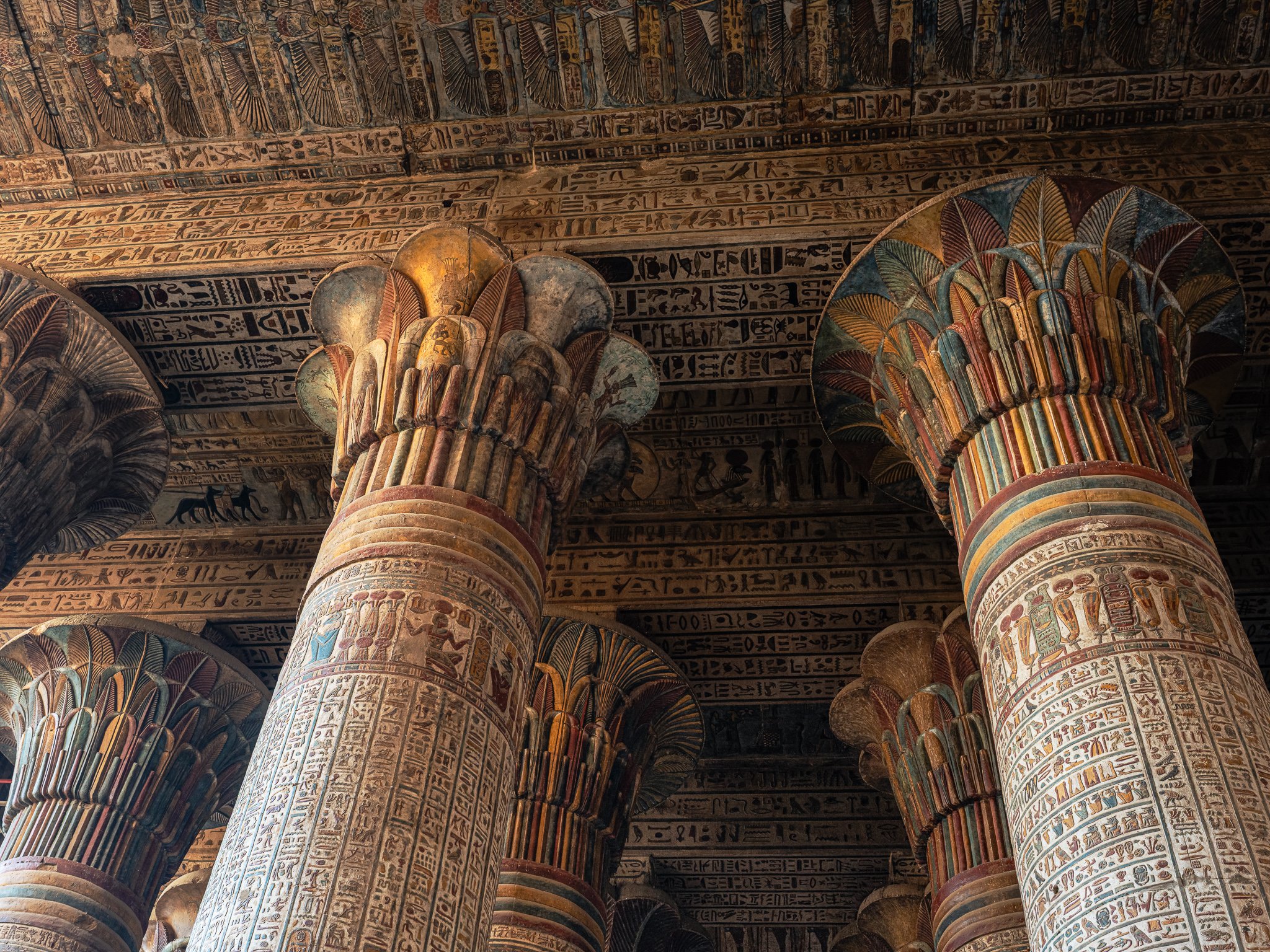
Esna Temple
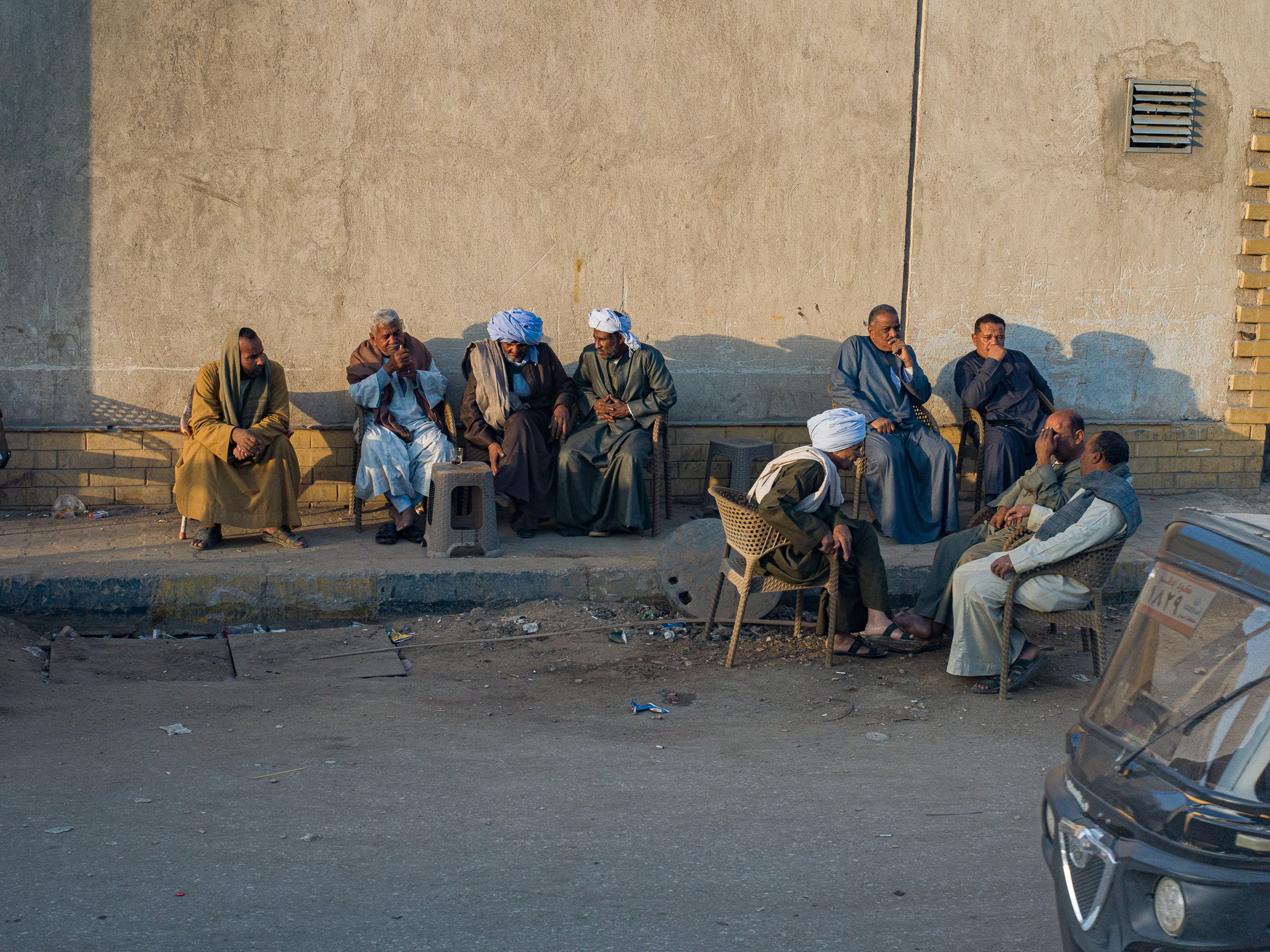
Luxor Street Scene (from the bus)
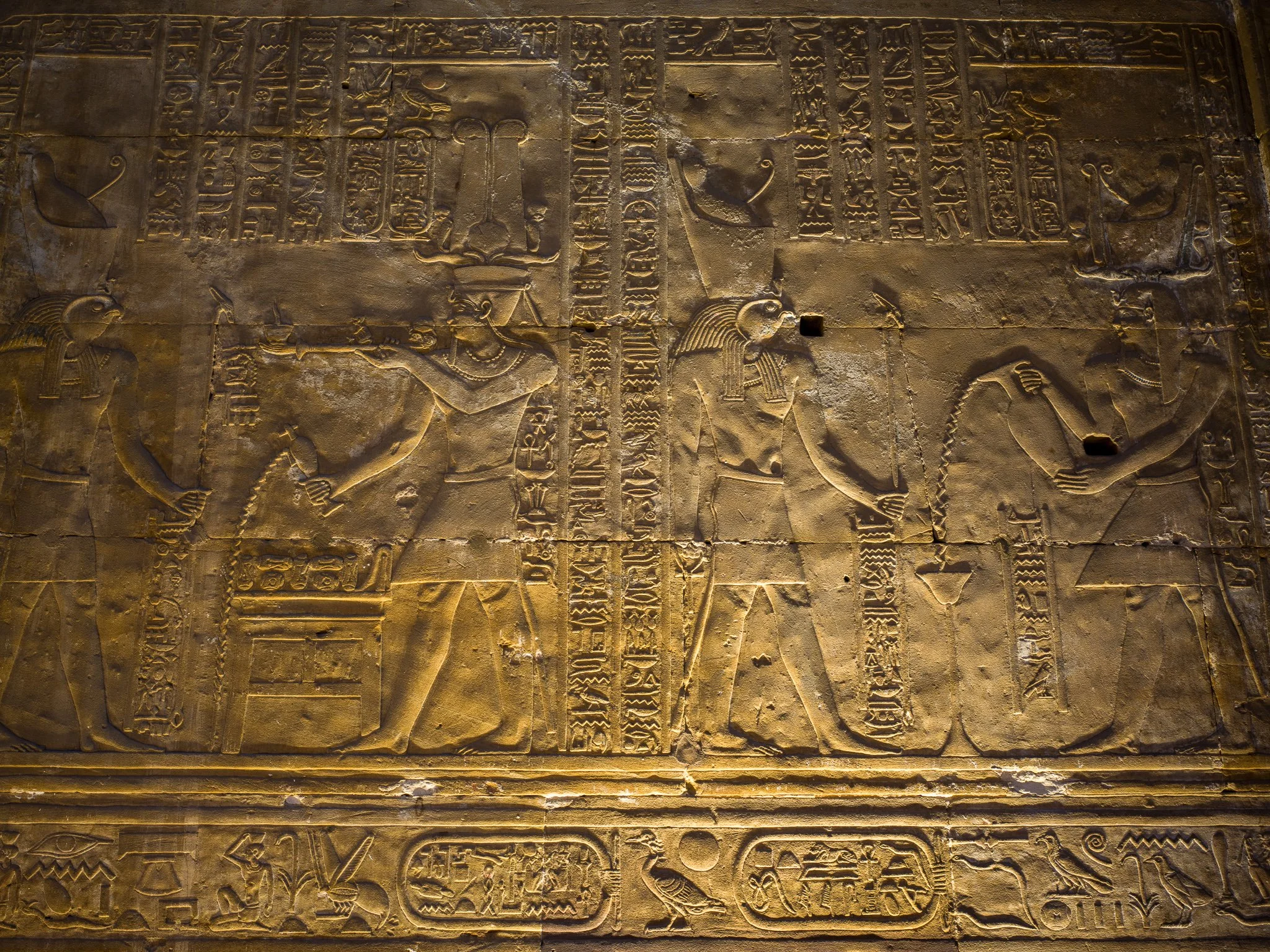
Tomb of Seti I
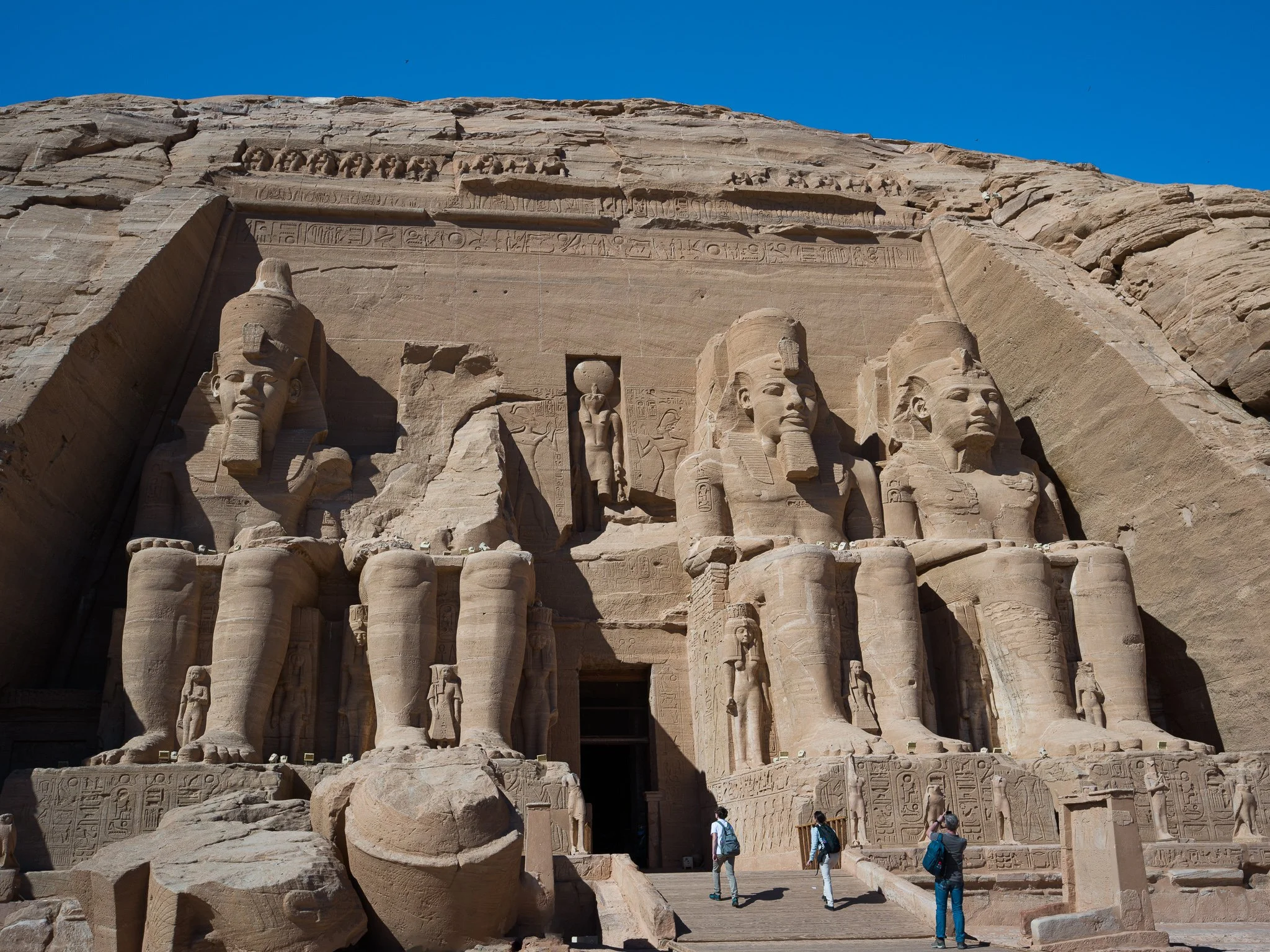
Abu Simbel
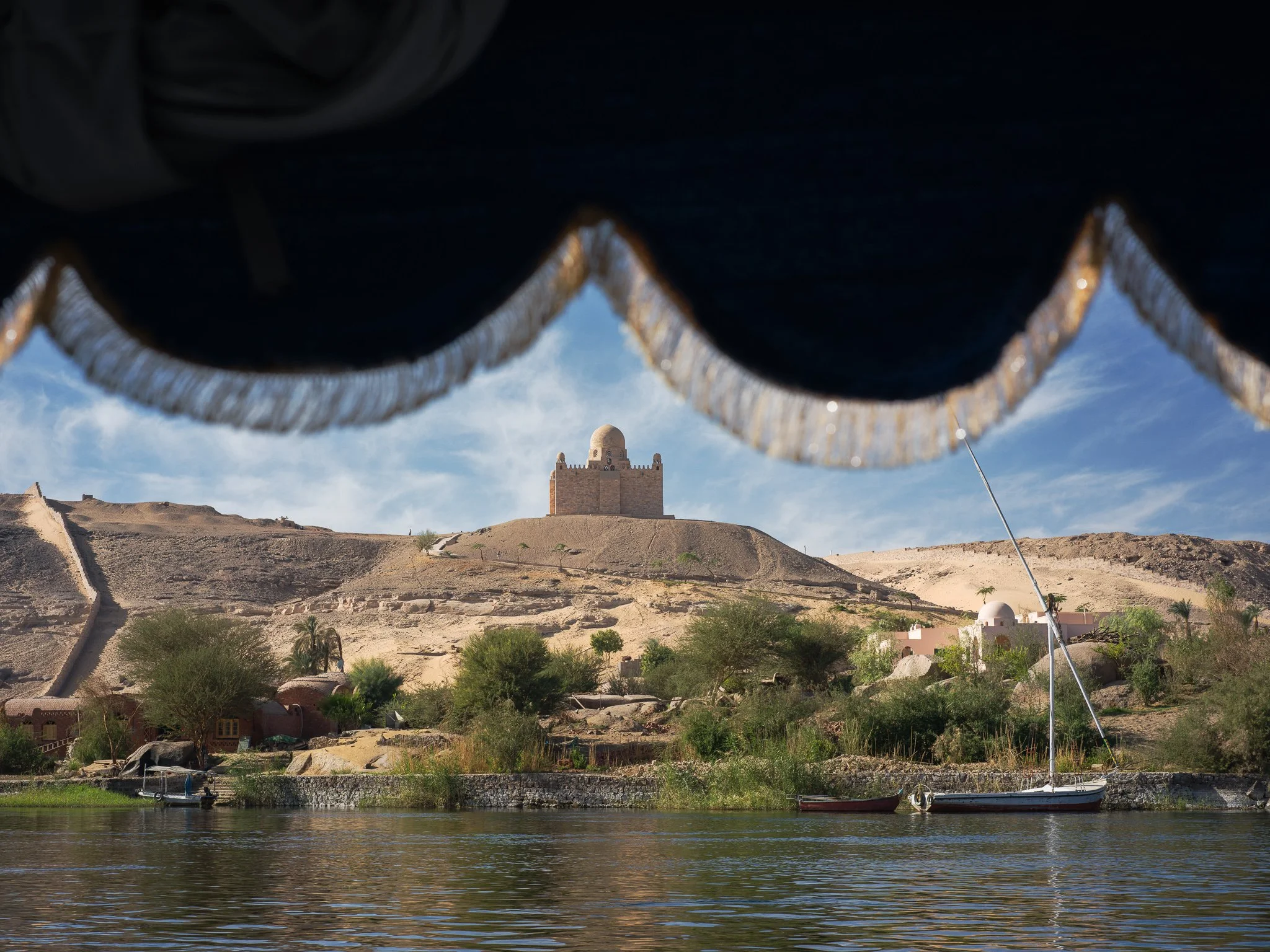
Aga Khan's Tomb, Aswan
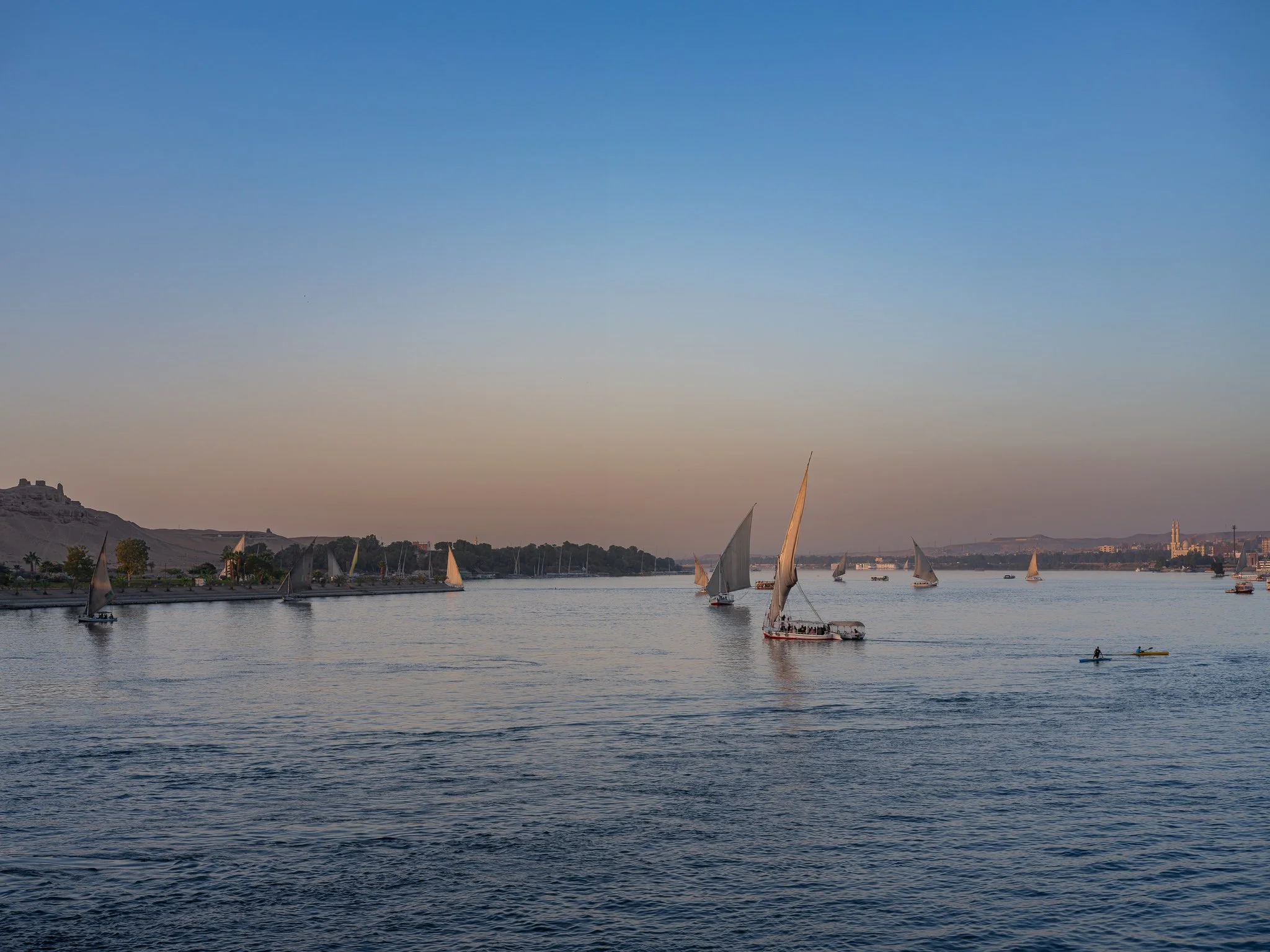
Aswan